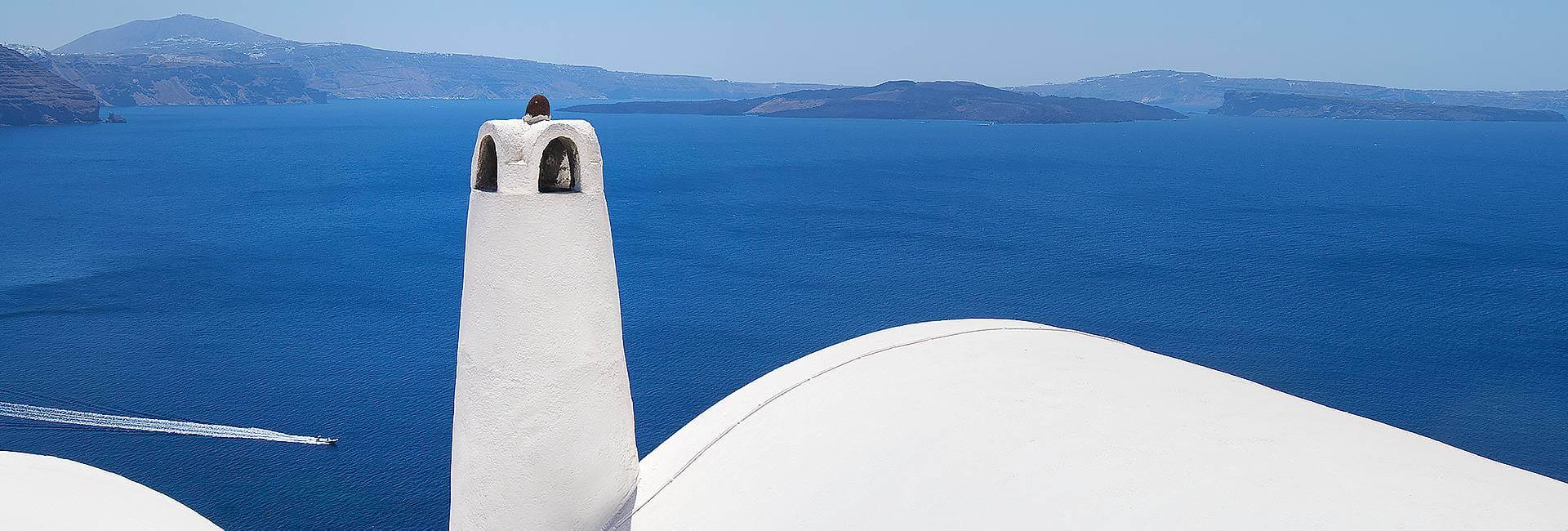
Architecture Photography
Architecture Photography in the Promotion of the Tourism Product
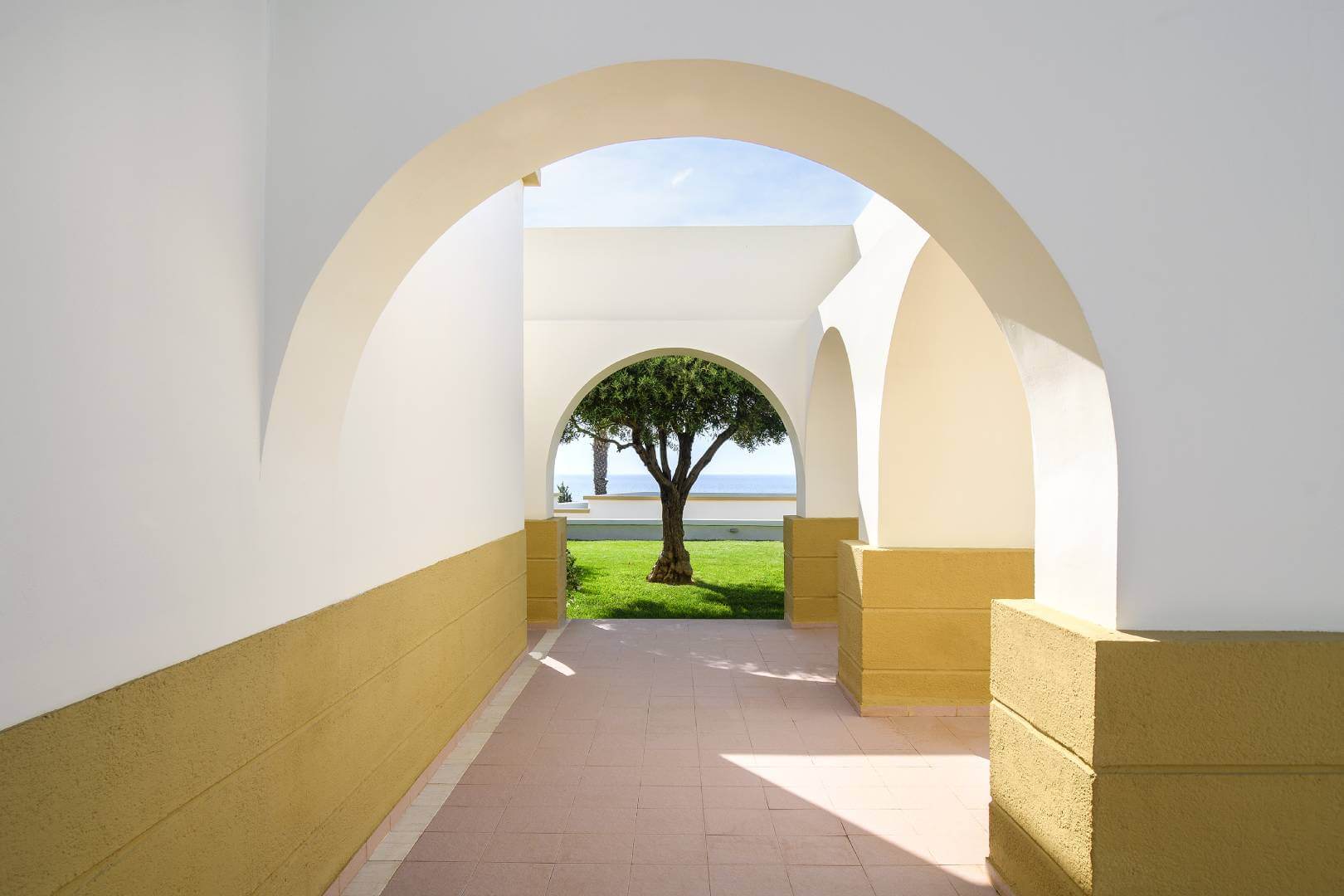
Architectural photography is vital for the development and promotion of tourism, as it provides an artistic, informative, and appealing representation of tourist infrastructures, destinations, and contributes to the preservation and documentation of historical monuments. At the same time, it becomes a tool for tourism education, emphasizing the importance of cultural heritage and the identity of the country.
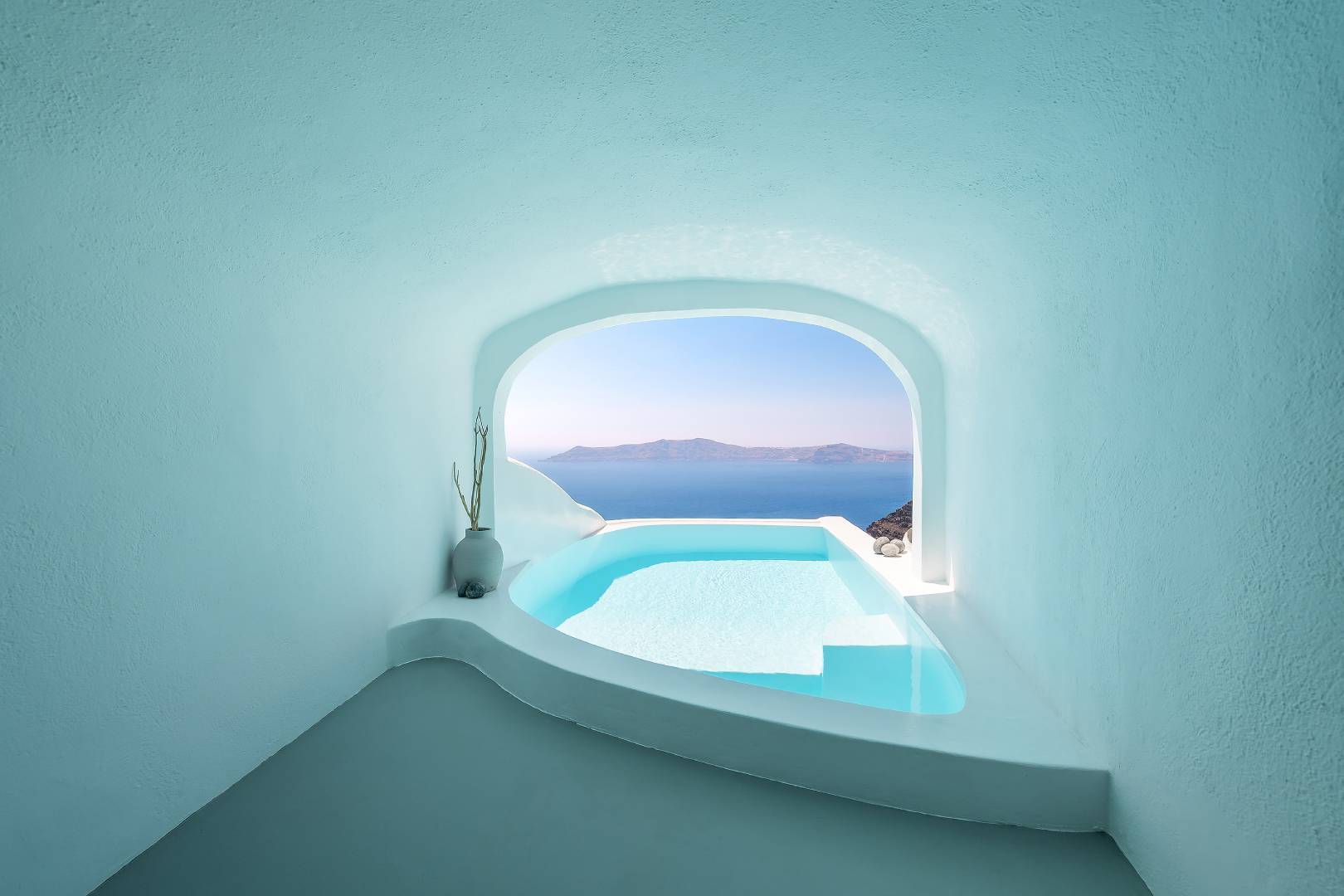
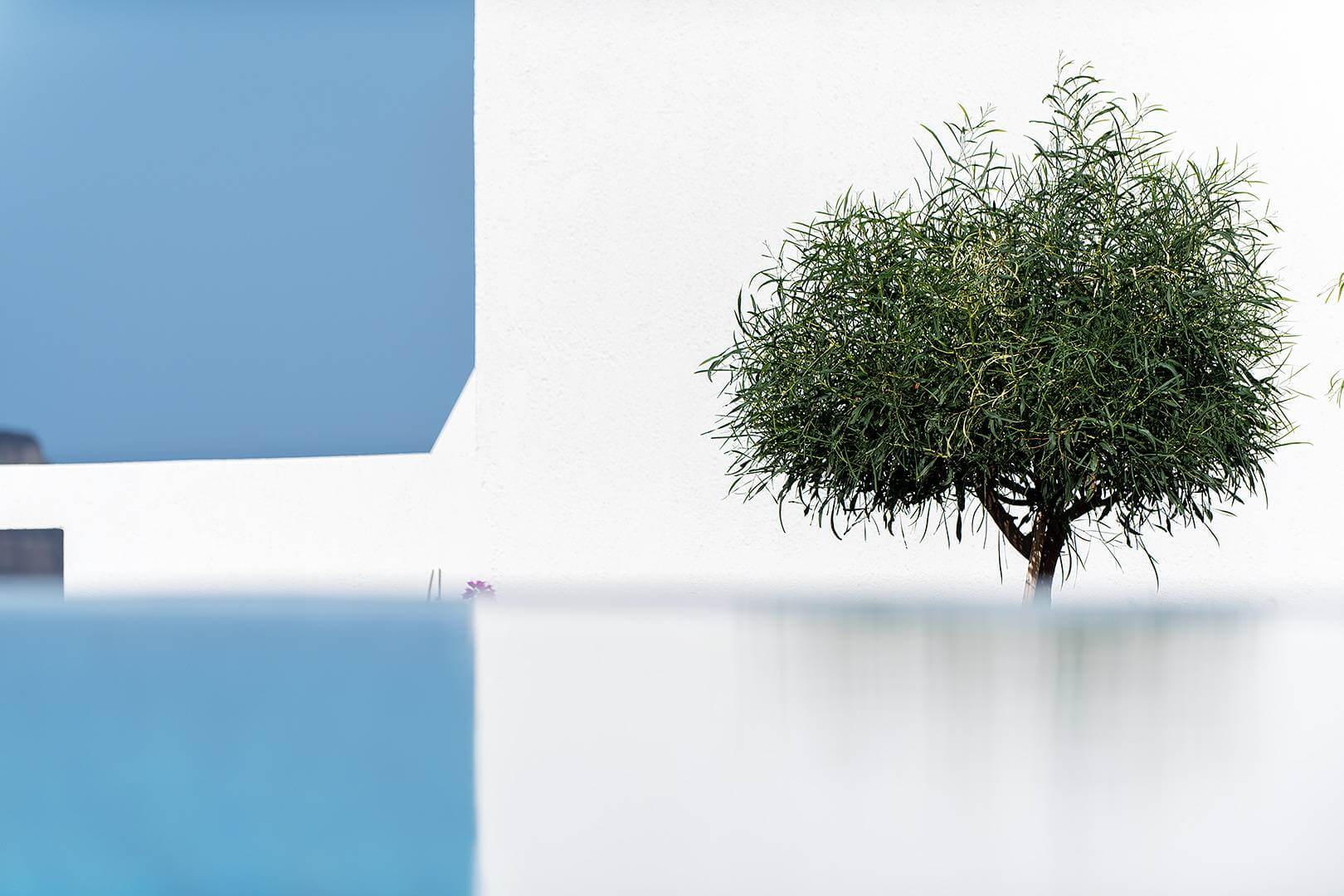
Architectural photography requires special technique and attention to detail, as my goal is to highlight the characteristics of buildings, spaces, and structures in a way that conveys both their aesthetics and functionality. Essentially, I am an architectural photographer, and therefore, I always aim to connect closely with and identify with the concept that characterizes each architectural project.
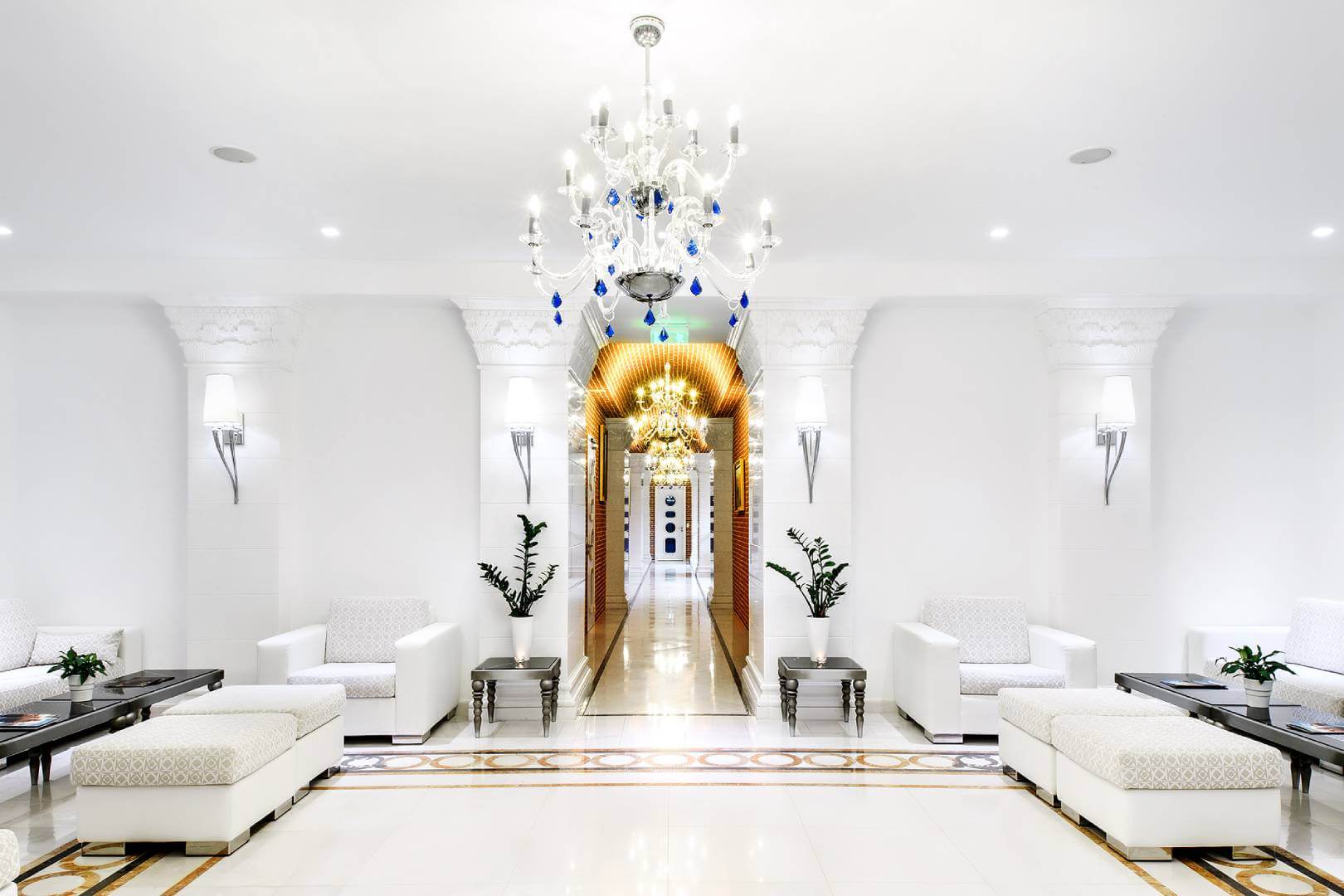
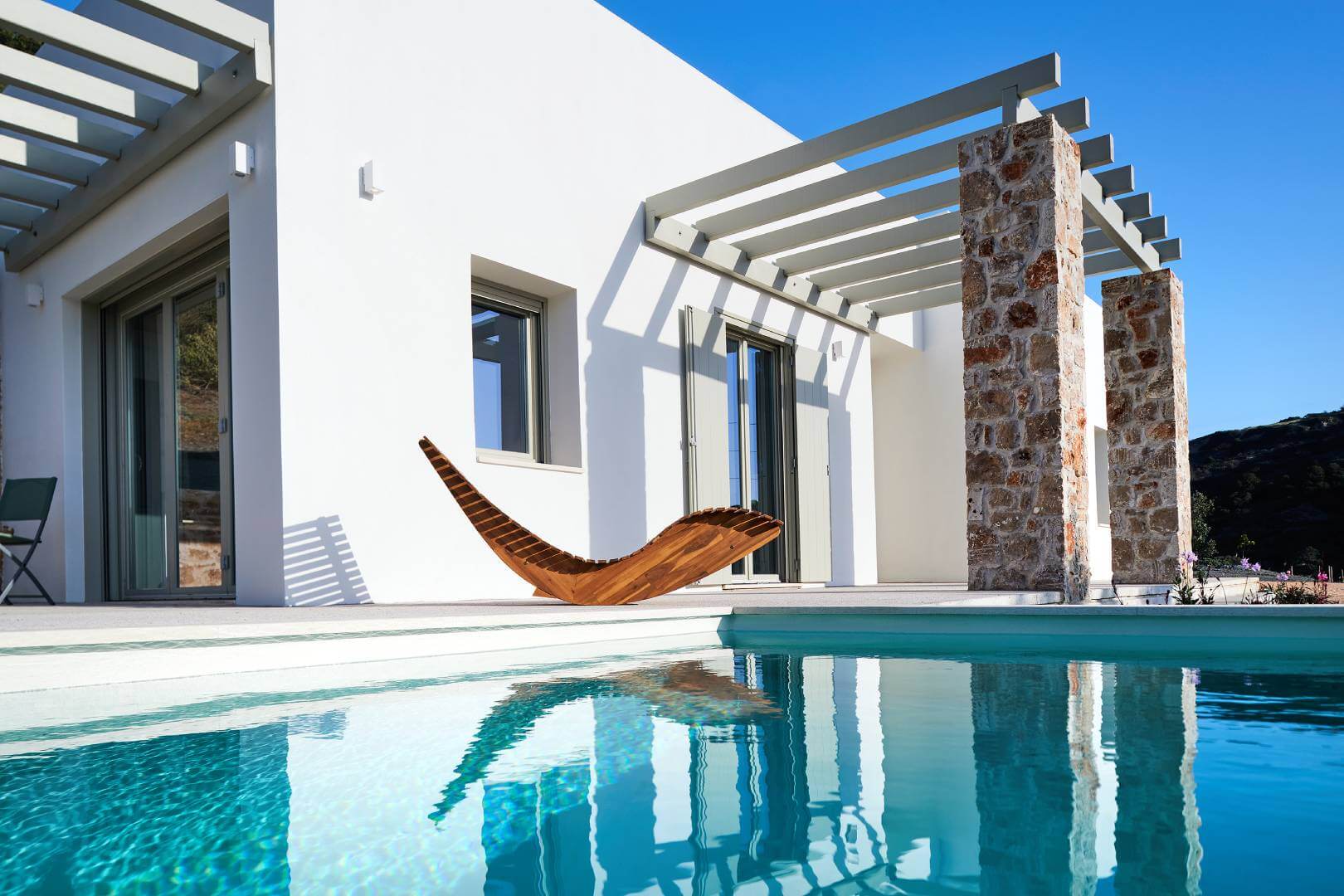
The main characteristics of my photographs are:
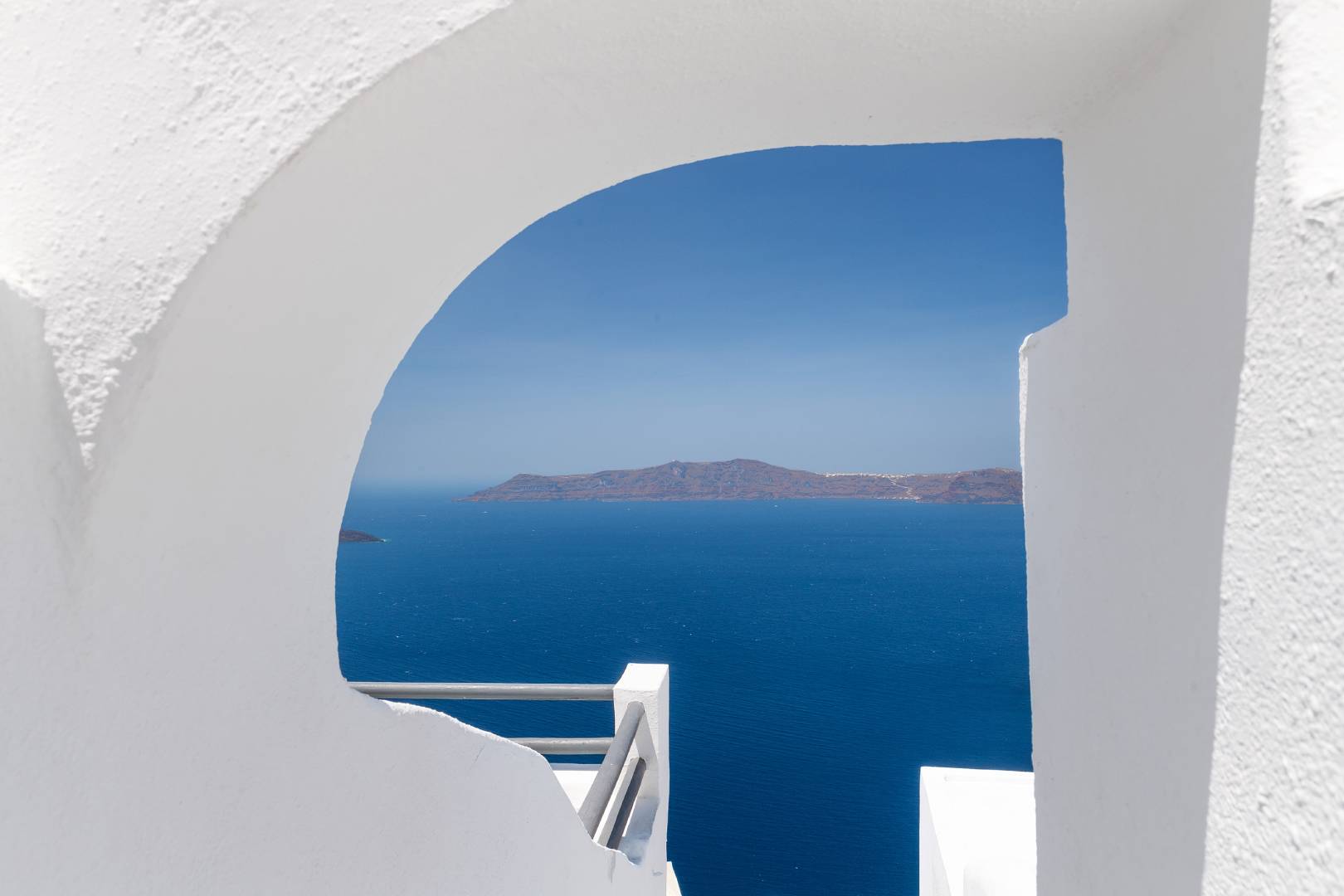
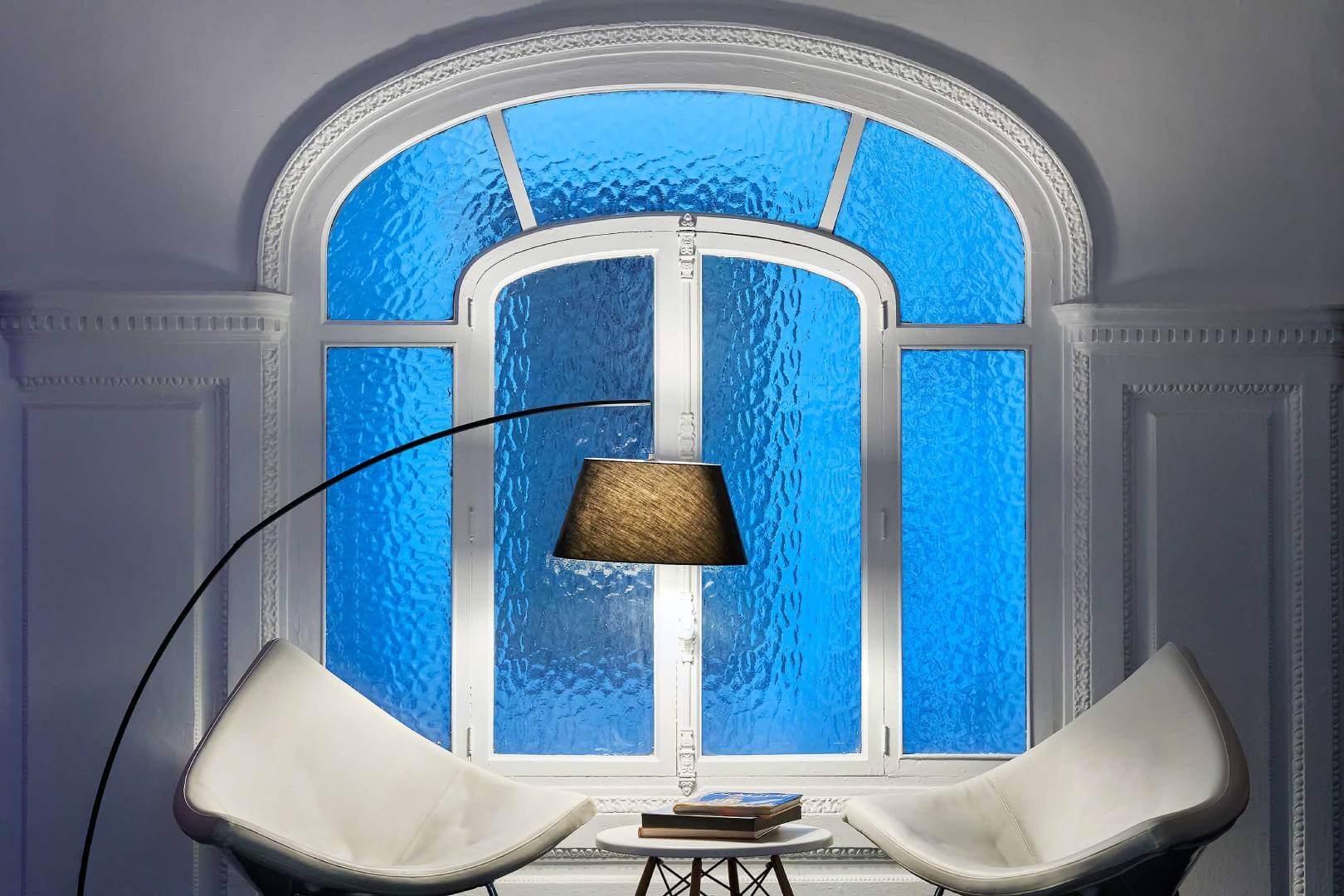
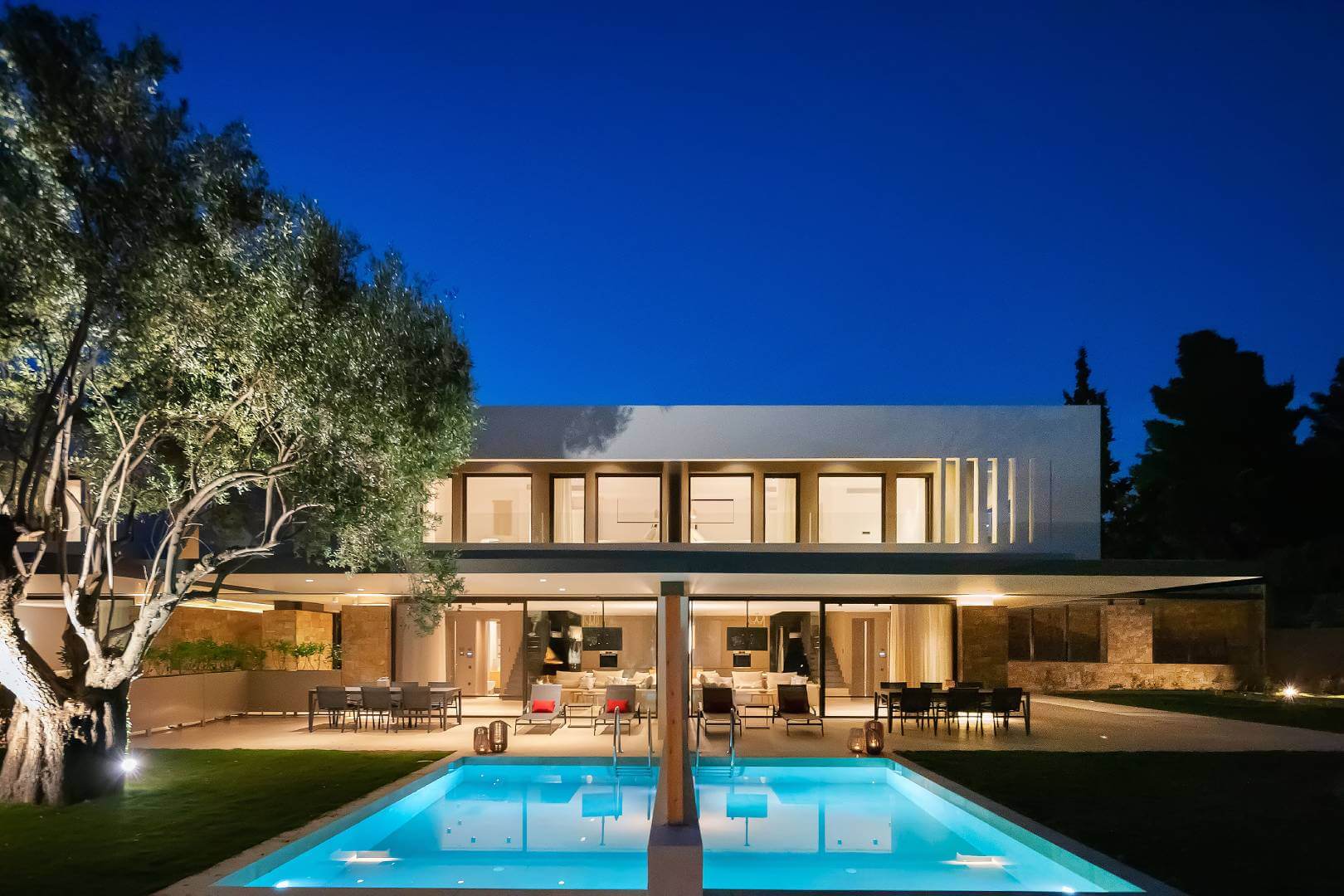
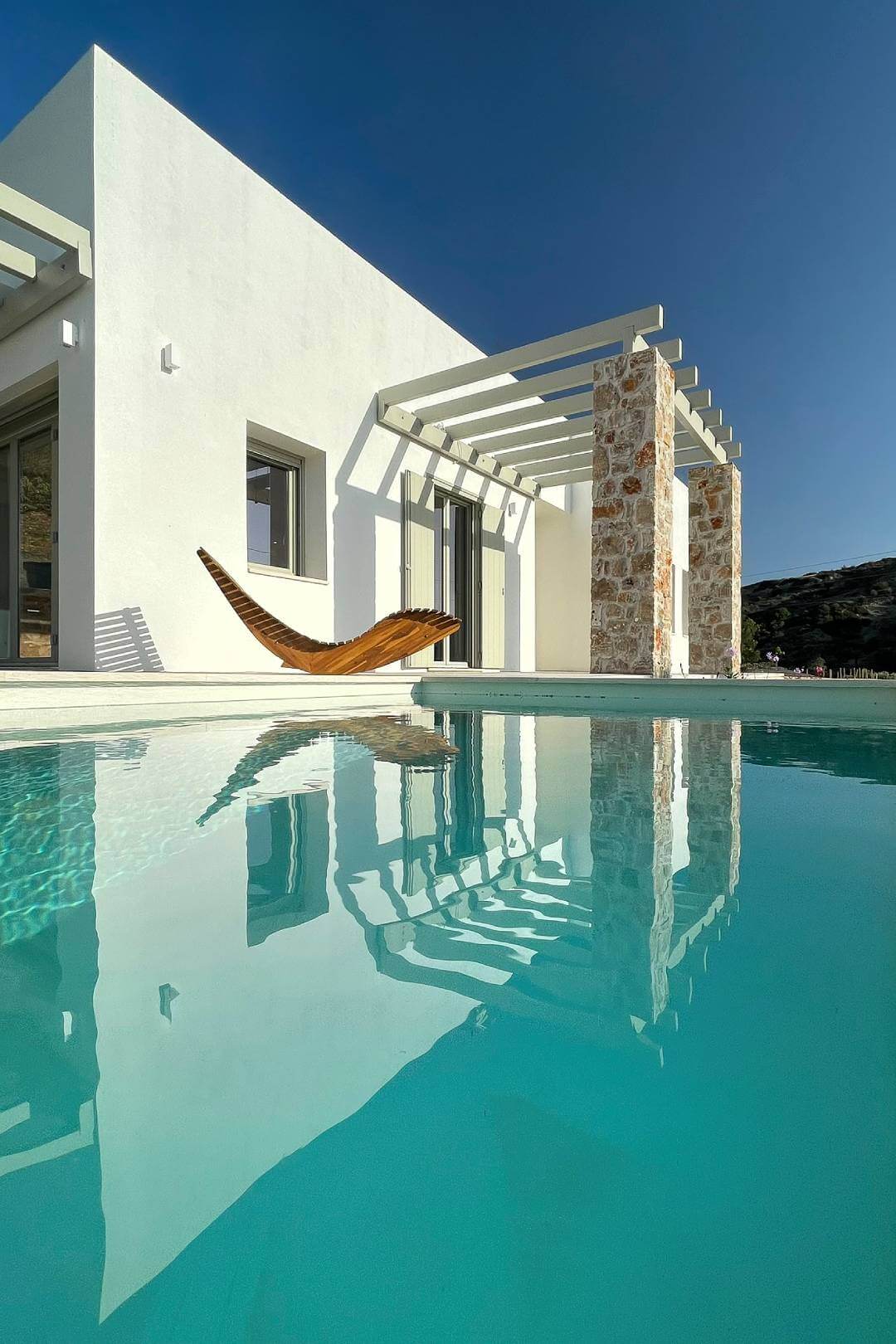
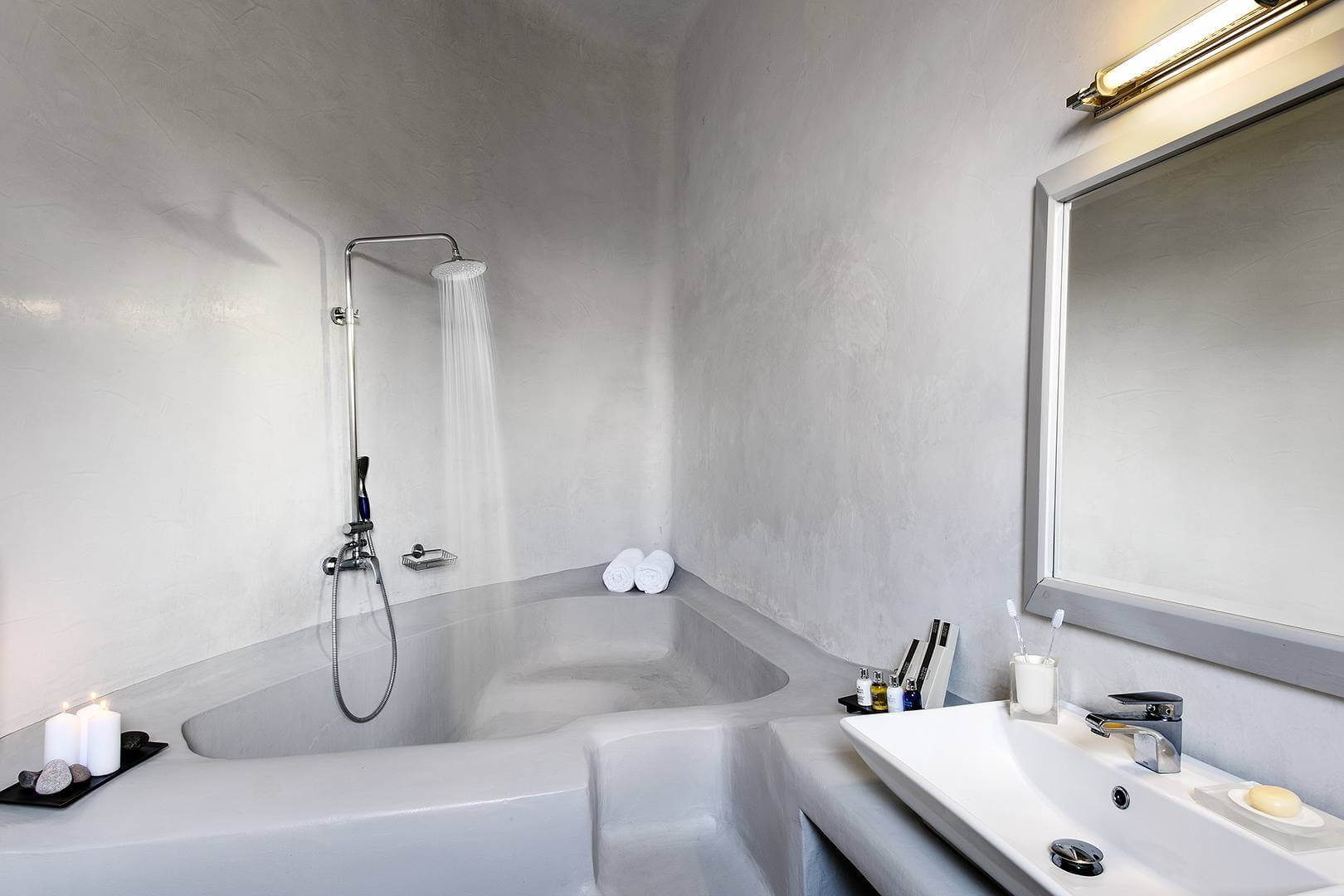
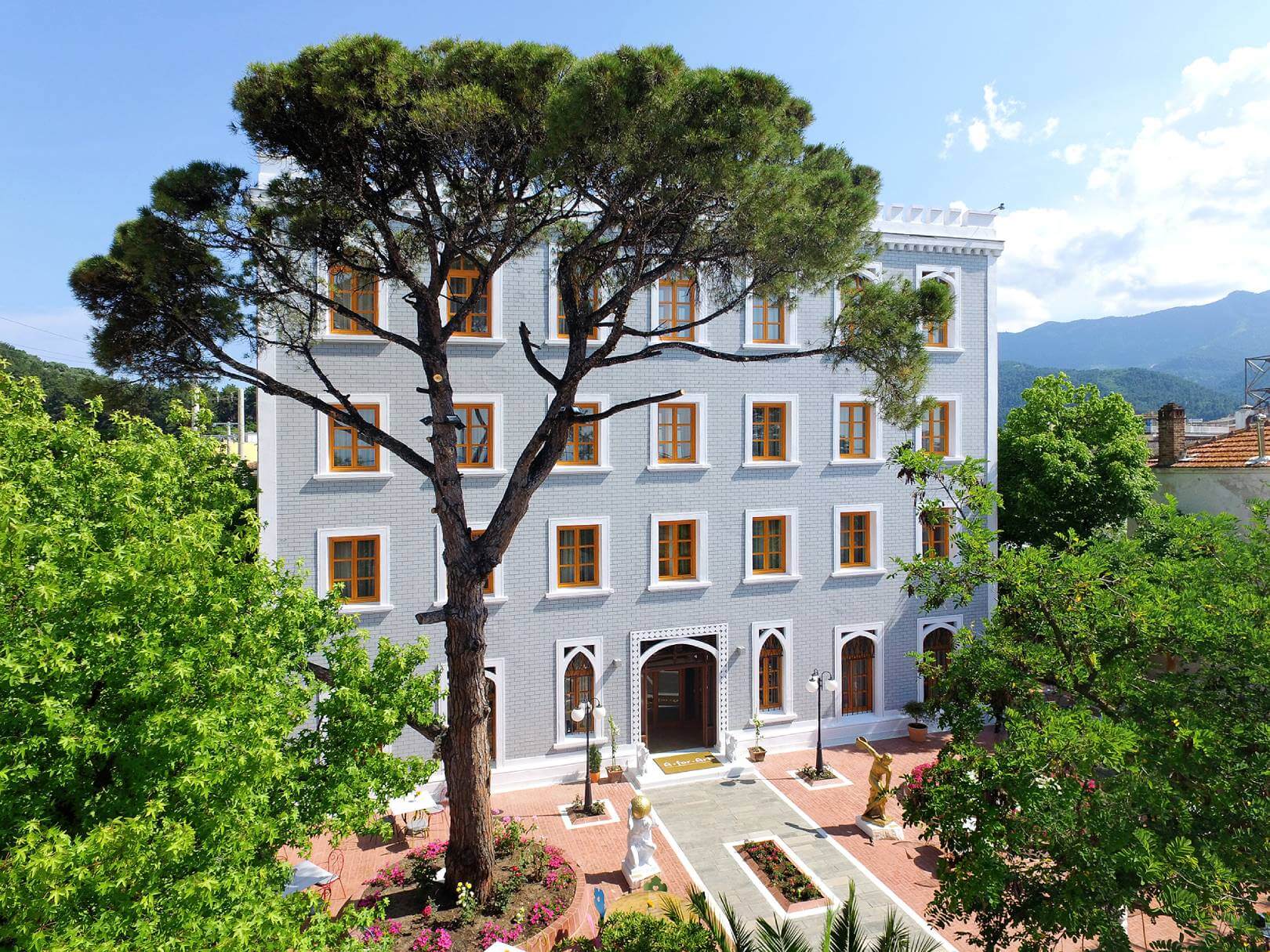
With all of this, I manage to objectively portray the authentic atmosphere, the aesthetics, and the various aspects of the building’s architecture, its structures, and its spaces. Finally, I avoid using ultra-wide lenses to prevent the phenomenon of unsightly and unnatural distortions within the image. It is very important that during the photoshoot, I strictly follow the technical guidelines of each architect I collaborate with.
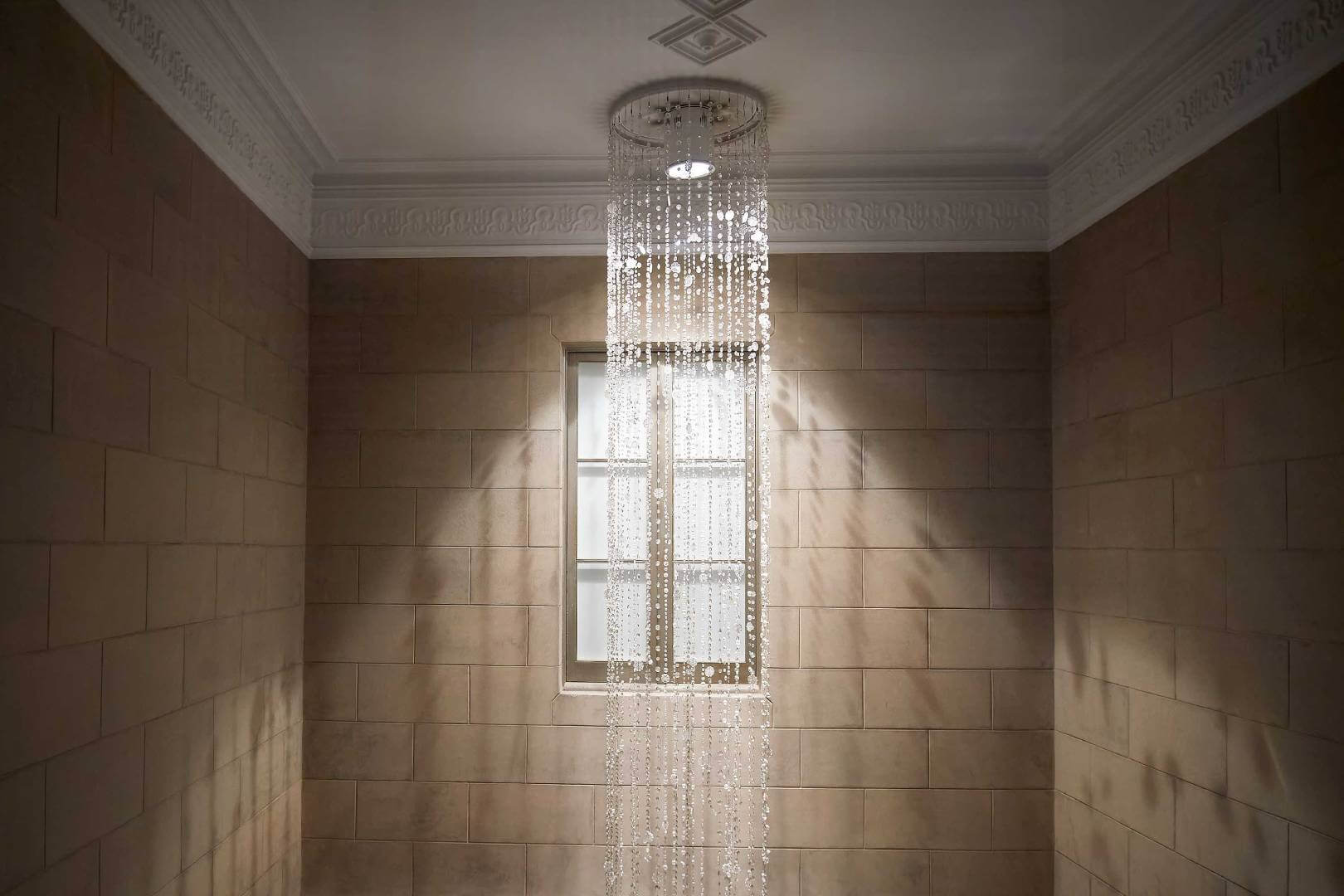
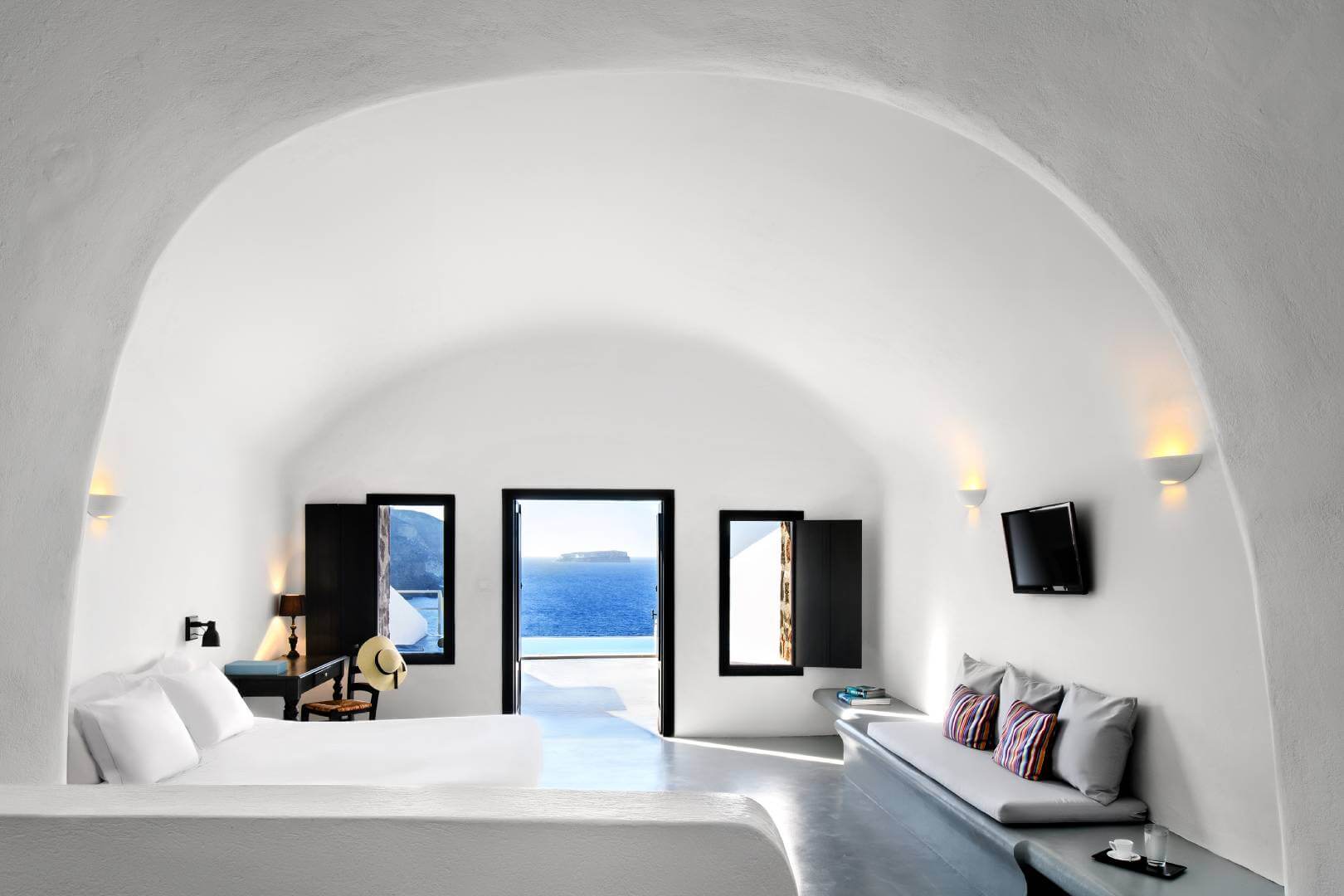
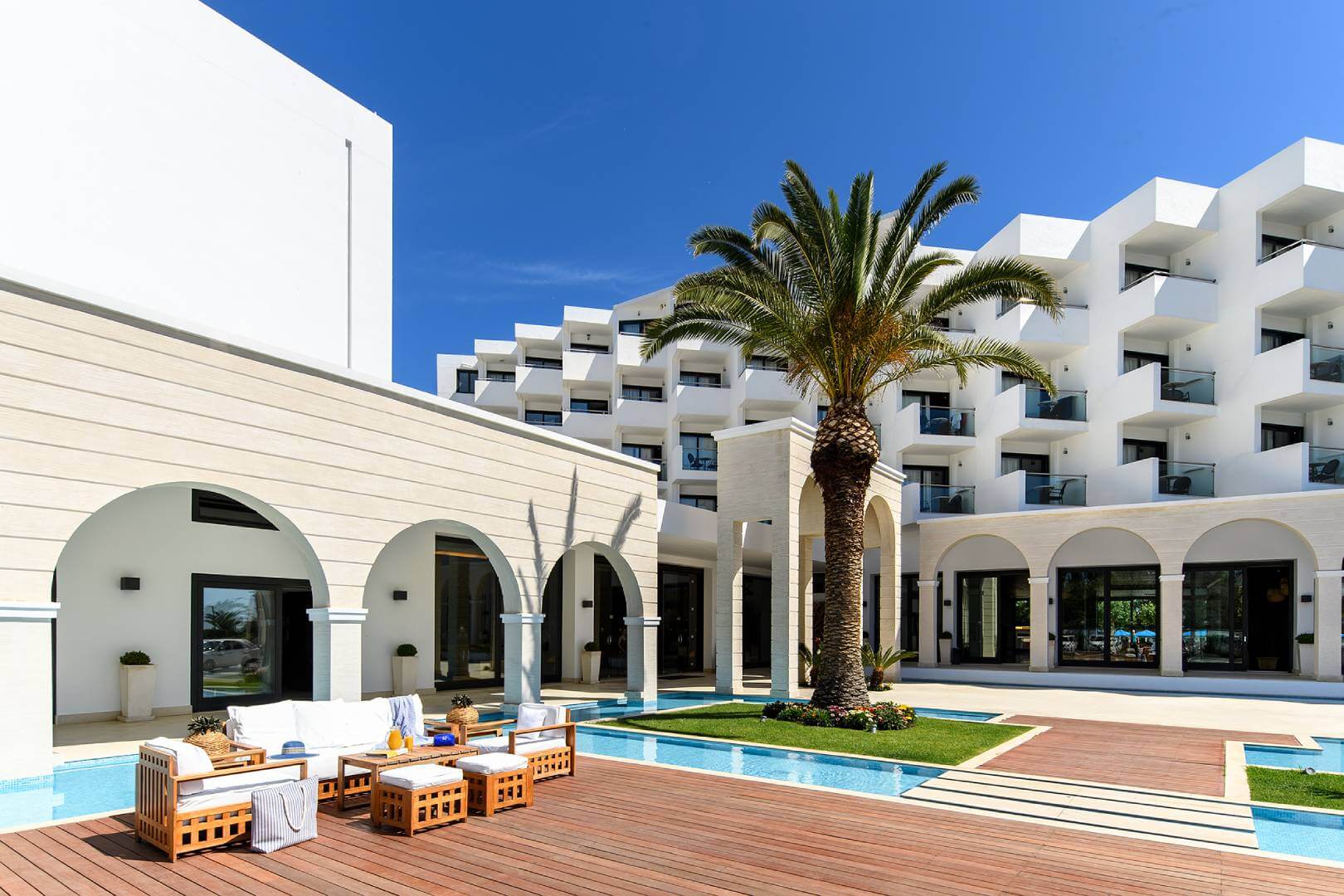
The key factors in architectural photography
Understanding the Architectural Design
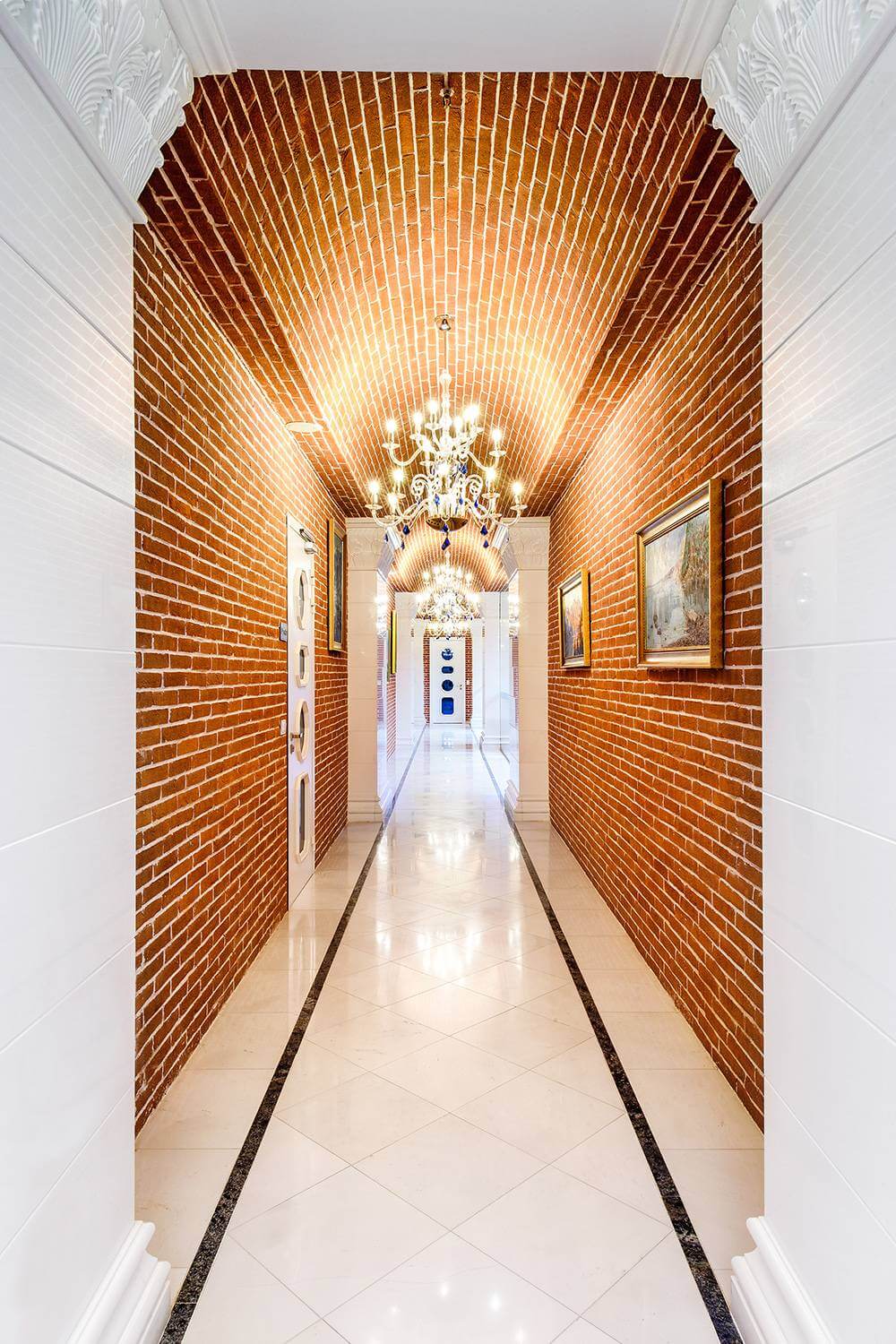
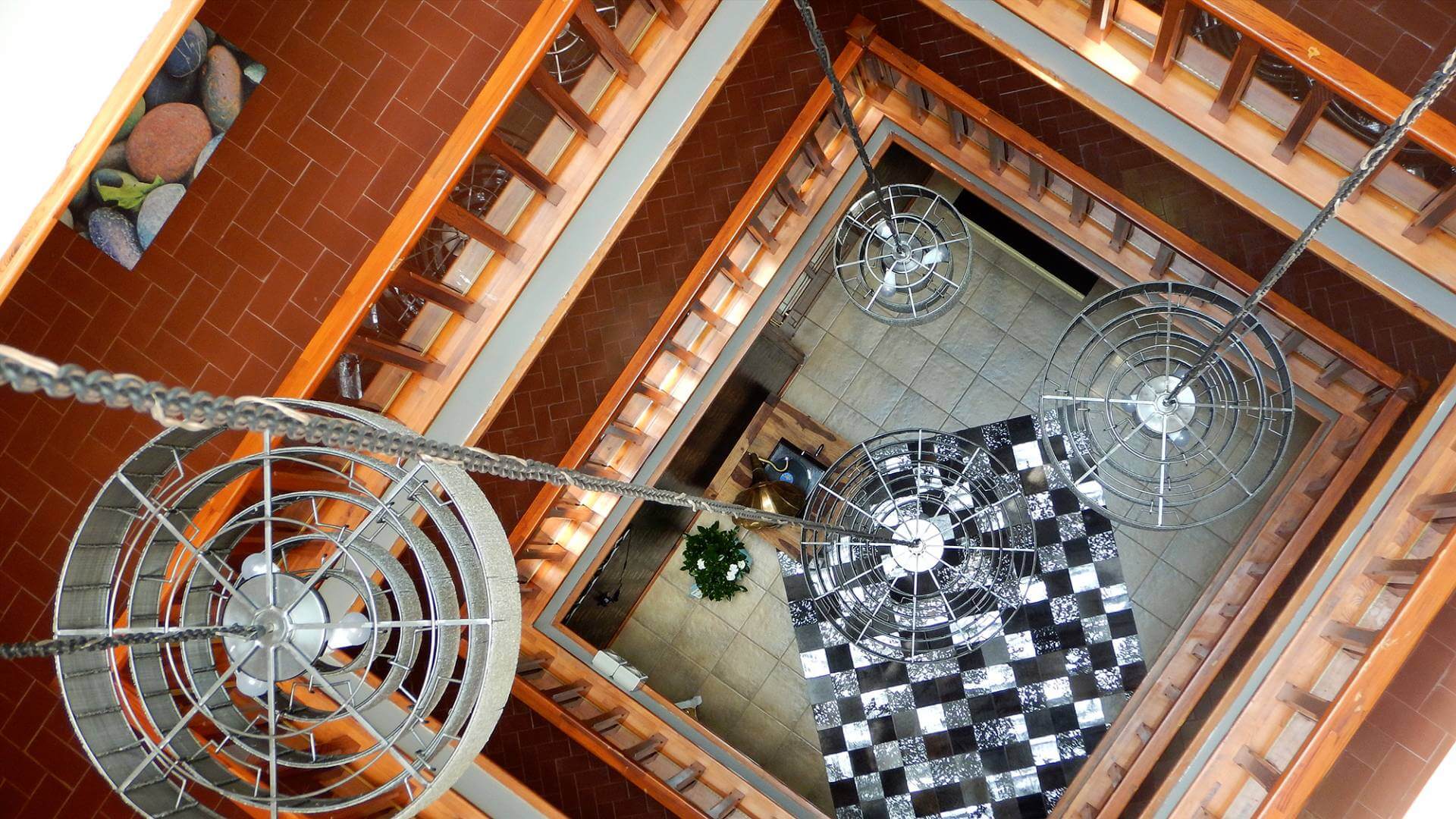
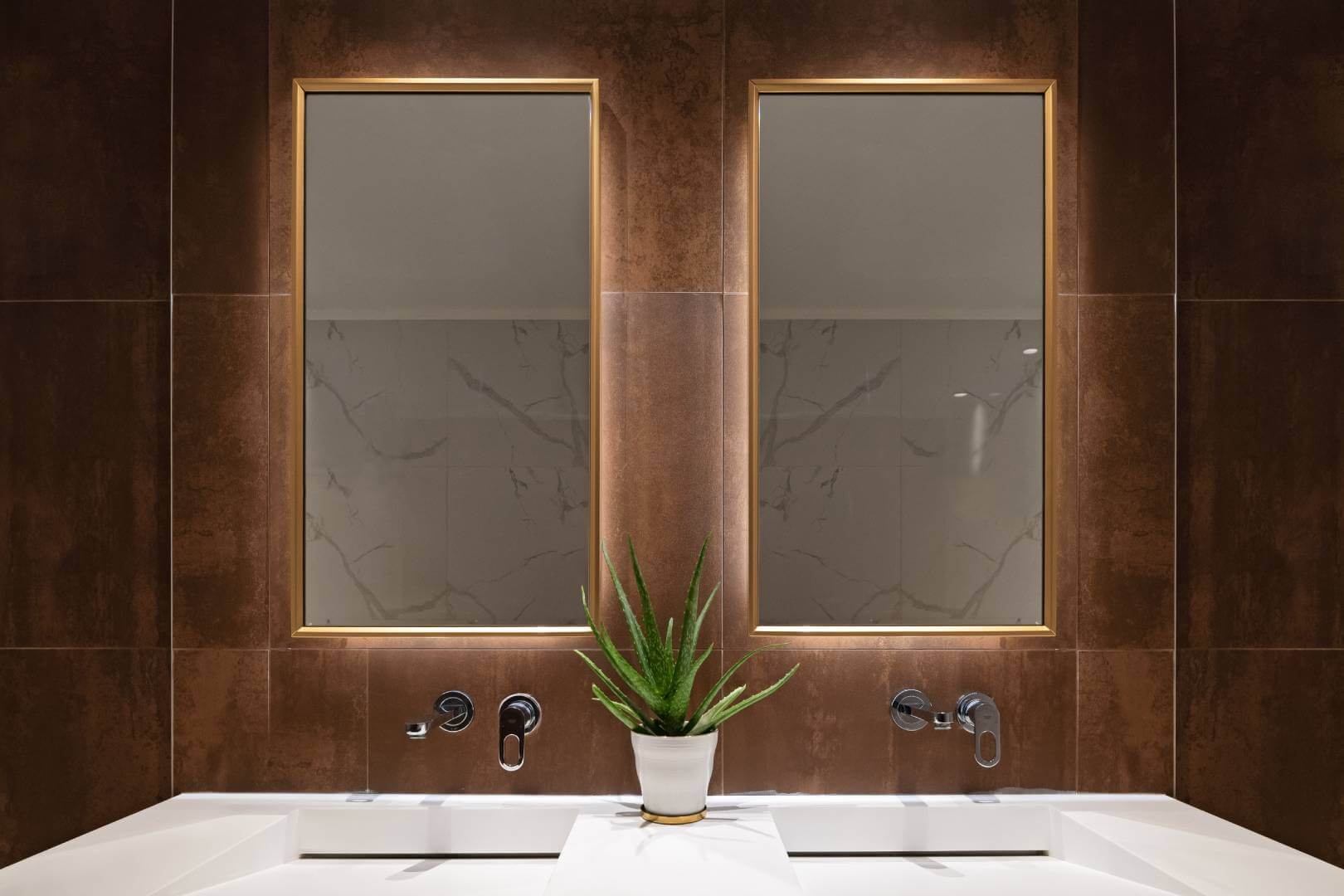
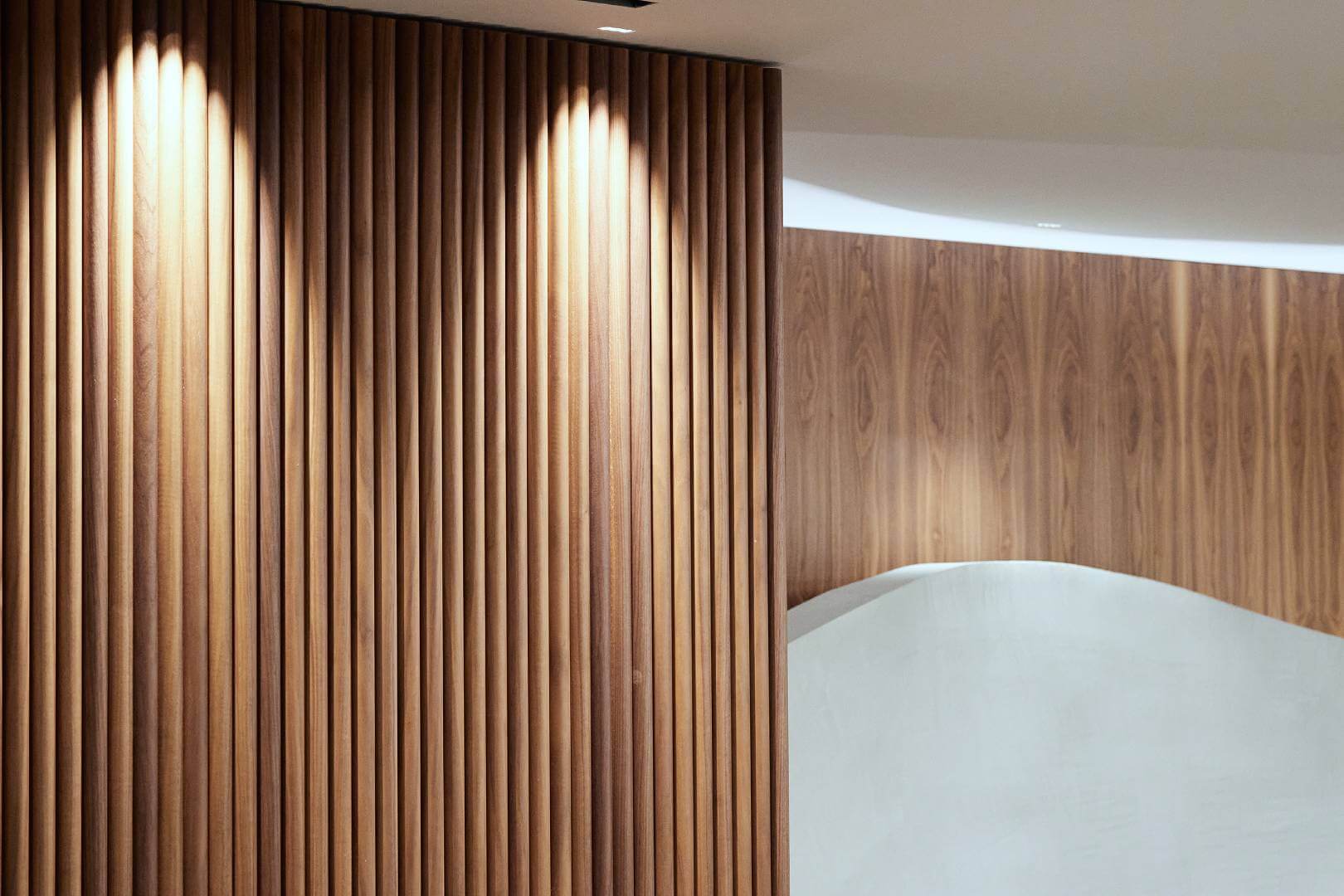
Before the photoshoot, during the PPM (Pre-Production Meeting), I request a detailed creative brief with information and material to understand the building’s architecture and the overall design, so that I can capture it in the best and most authentic way. The purpose of my images is to highlight the key characteristics of the structure, the lines, the openings, and the spatial proportions. I place great emphasis on the details of the volumes and focus on the textures of the materials, such as wood, stone, and metal, as well as the finer architectural elements, such as decorative patterns or distinctive architectural lines. I hold the architectural design in high regard, both in terms of lighting and decoration.
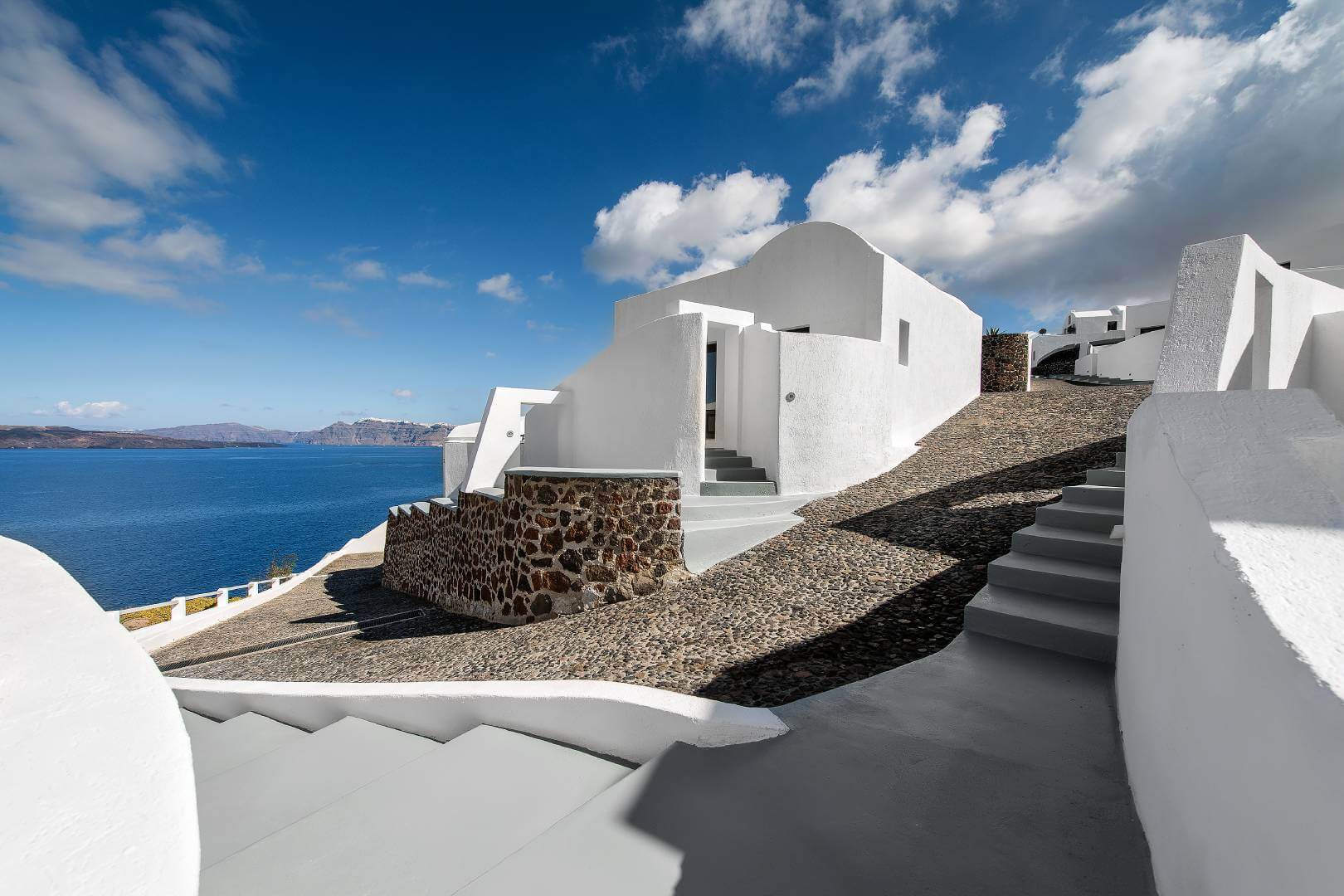
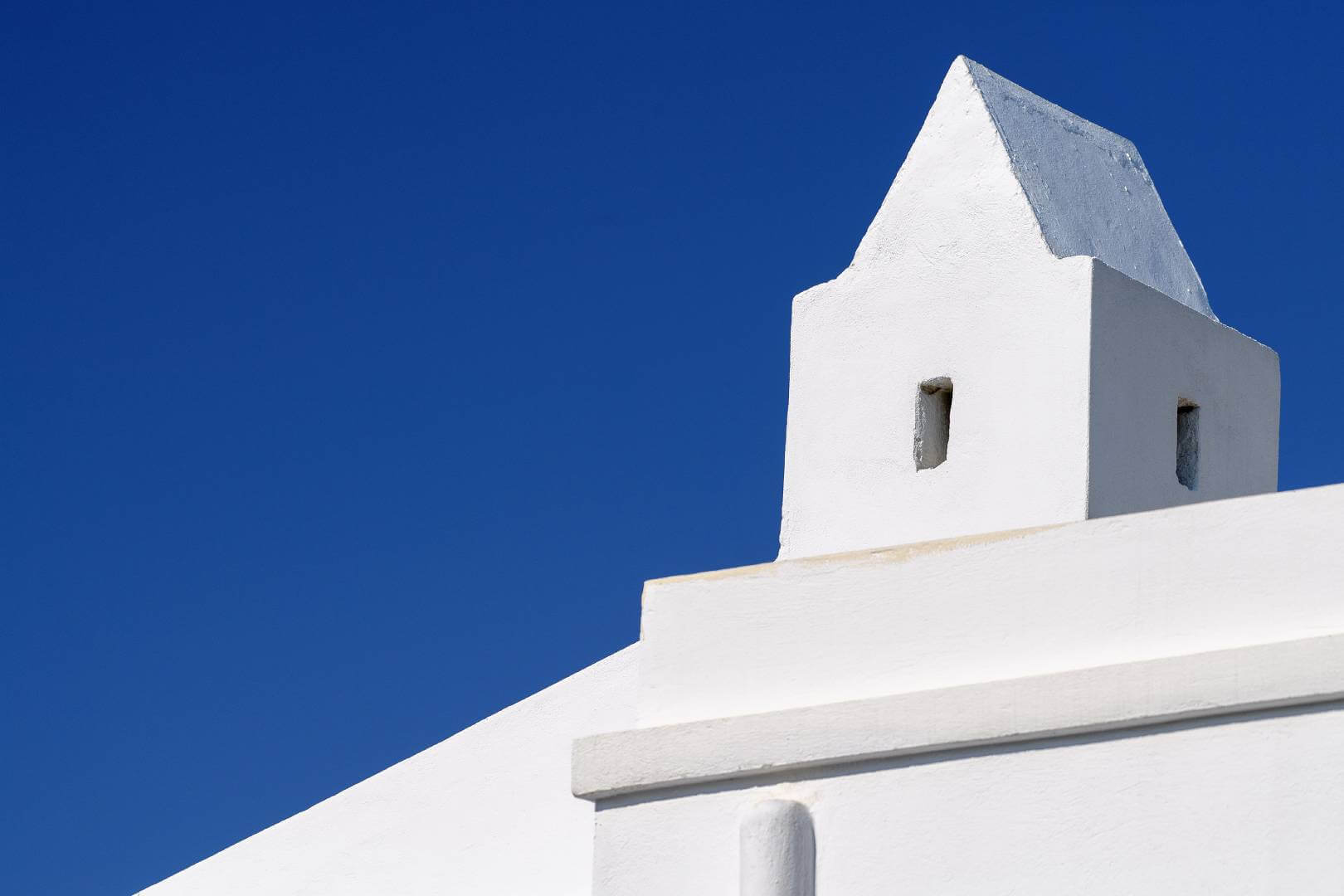
Composition and Shooting Angle
The extensive professional experience I’ve gained has led me to carefully and thoughtfully compose my frame to always achieve a perfect result. I search for the best possible shooting angle, which highlights the correct proportions and characteristics of the building or space. I often choose angles through which I avoid various visual distortions, such as perspective distortion in the constructions or spaces.
Lighting
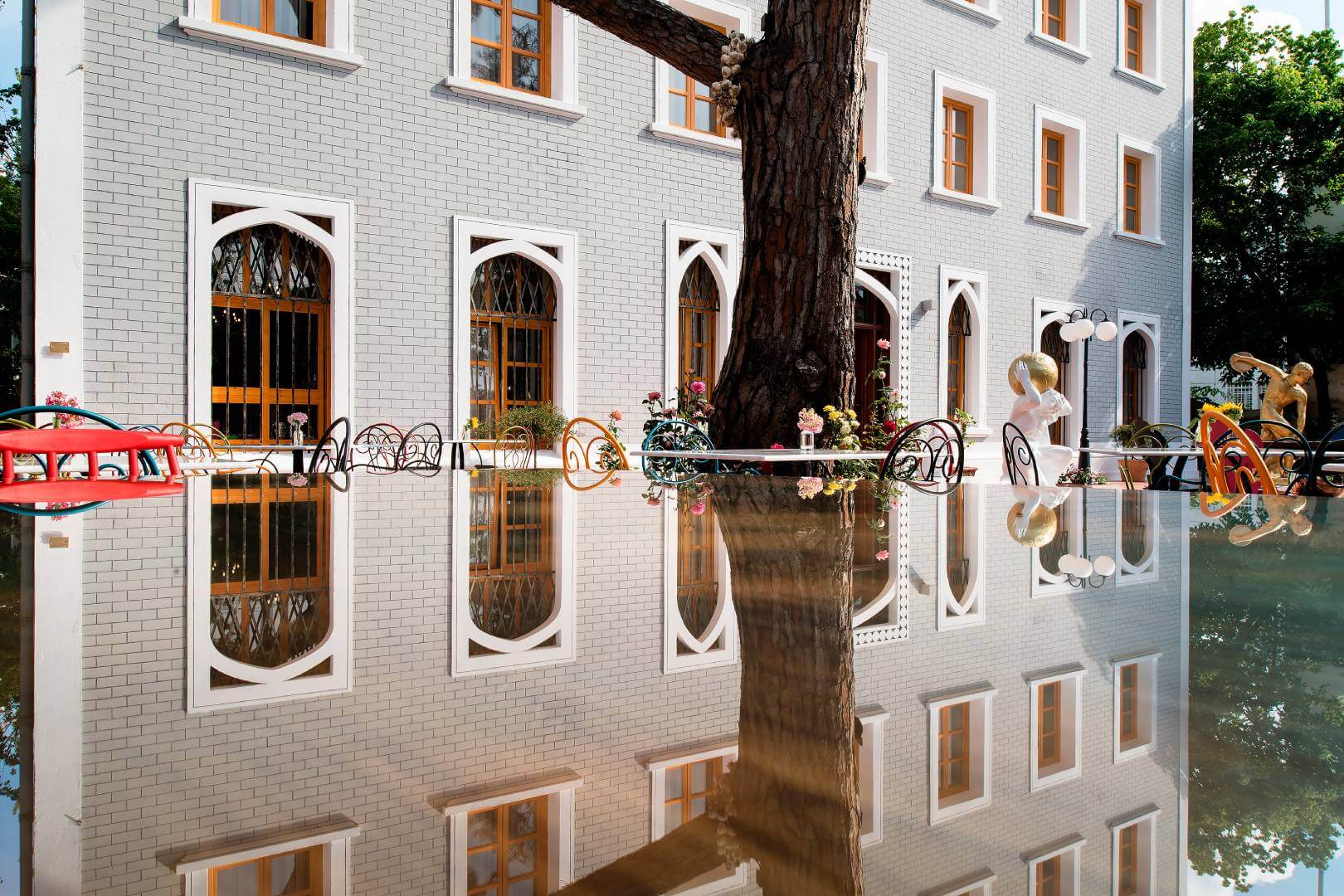
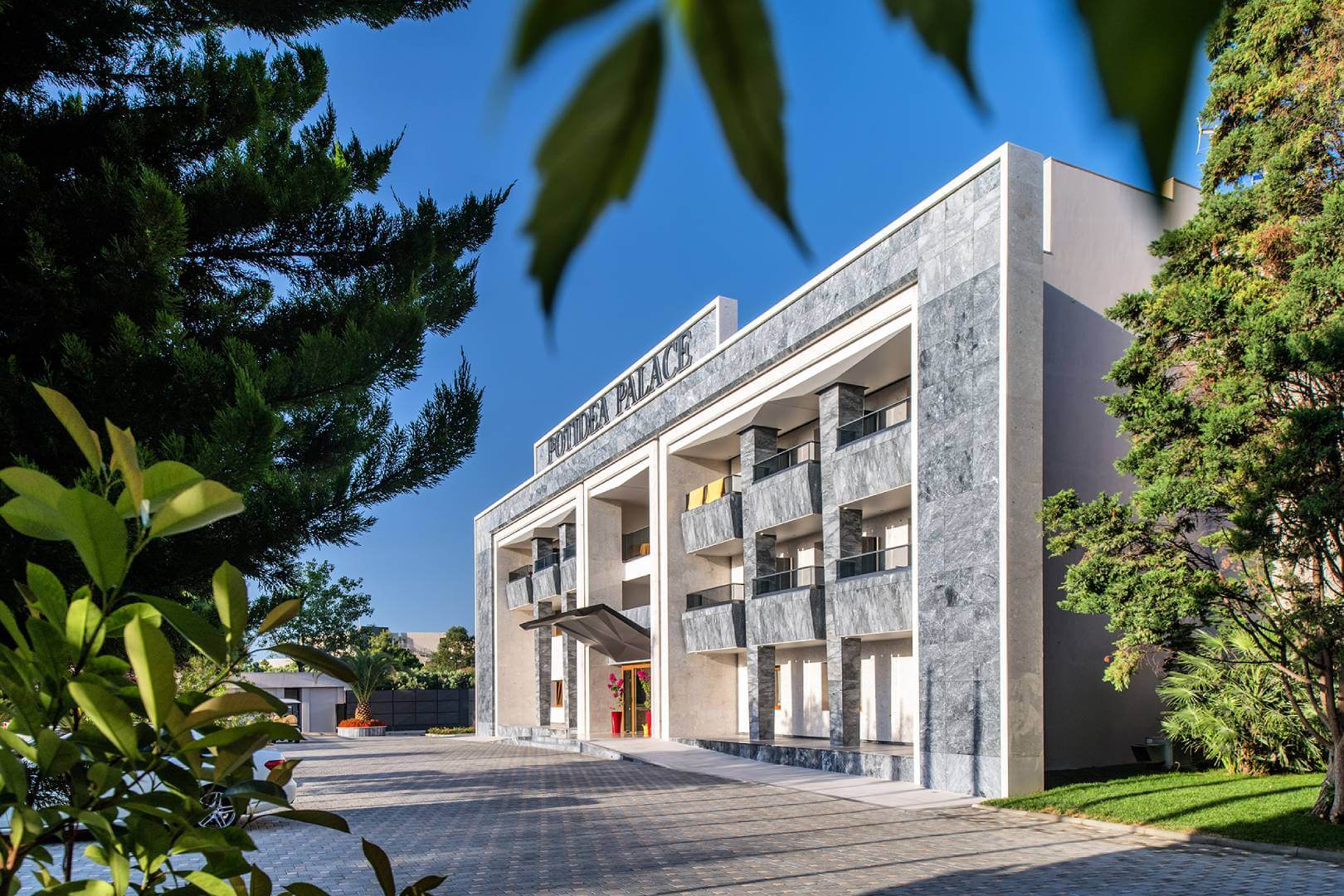
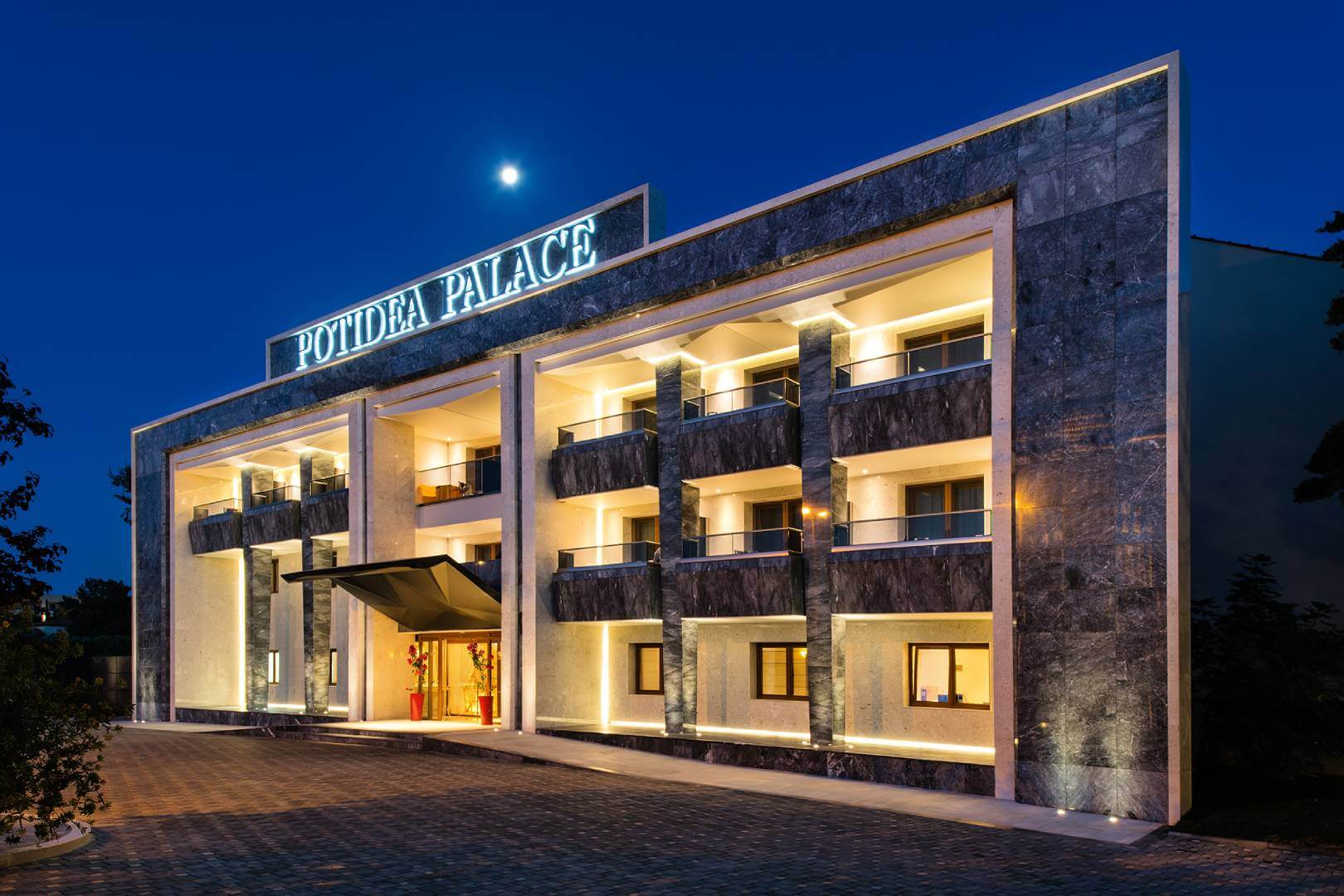
Lighting is crucial in architectural photography. Natural light (e.g., sunrise or sunset) can add intensity and depth to images, while artificial lighting (such as the building’s lights in the evening) can create a dramatic atmosphere. The strong contrast between light and dark areas can highlight the lines and textures of surfaces. I treat an architectural structure like a living organism that breathes and changes. With the sunlight, it transforms and creates different lighting and hues throughout the day.
Step by step
I mainly photograph using natural light and choose to take my shots during those hours when the lighting conditions are ideal for highlighting both the interior and exterior spaces.
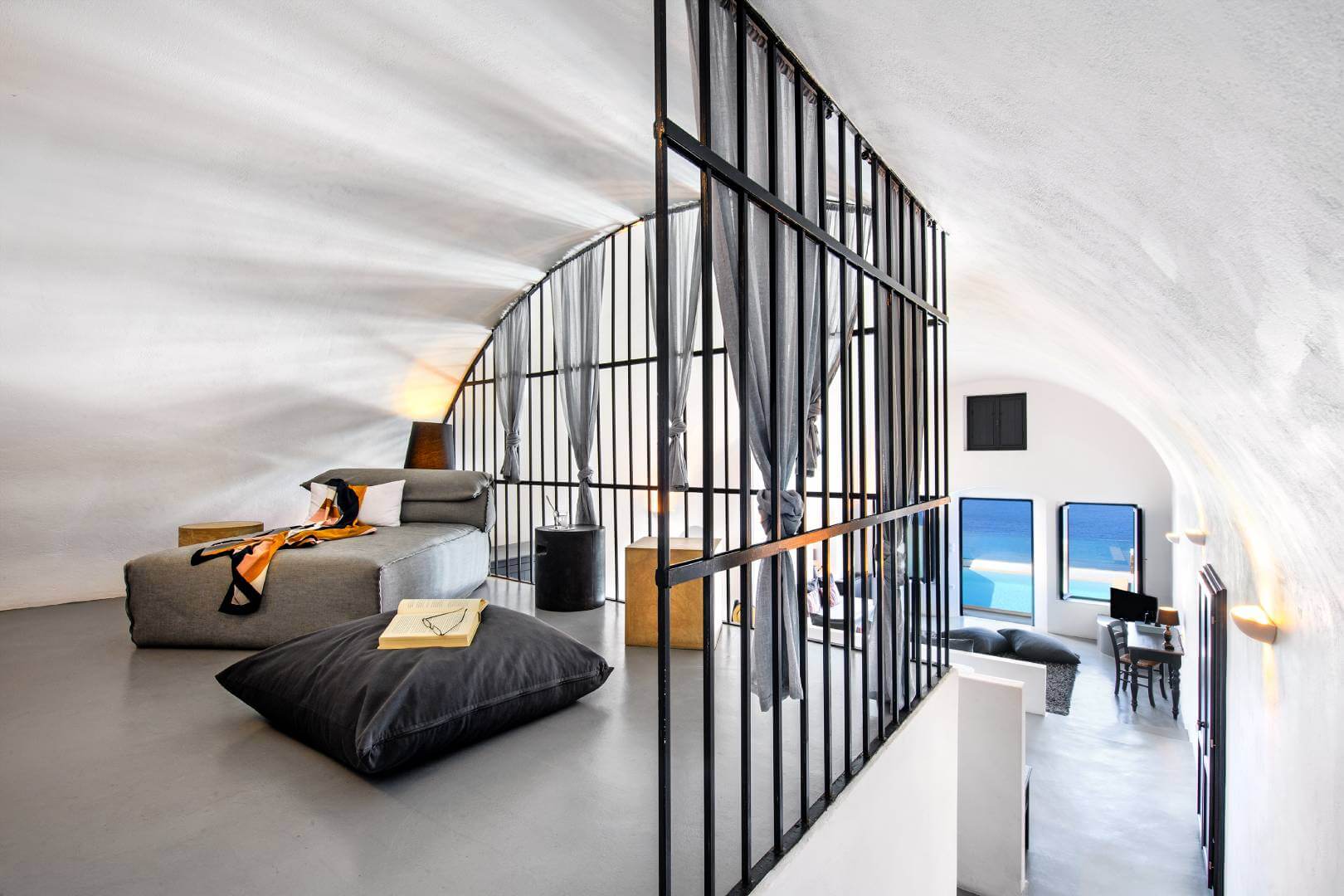
My professional concern often leads me to seek and discover during the day the so-called “pic time” of the space. This is the time when the existing light becomes atmospheric, which is why I proceed with the photoshoot during this time, ensuring ideal lighting conditions that allow for the best possible representation, both indoors and outdoors.
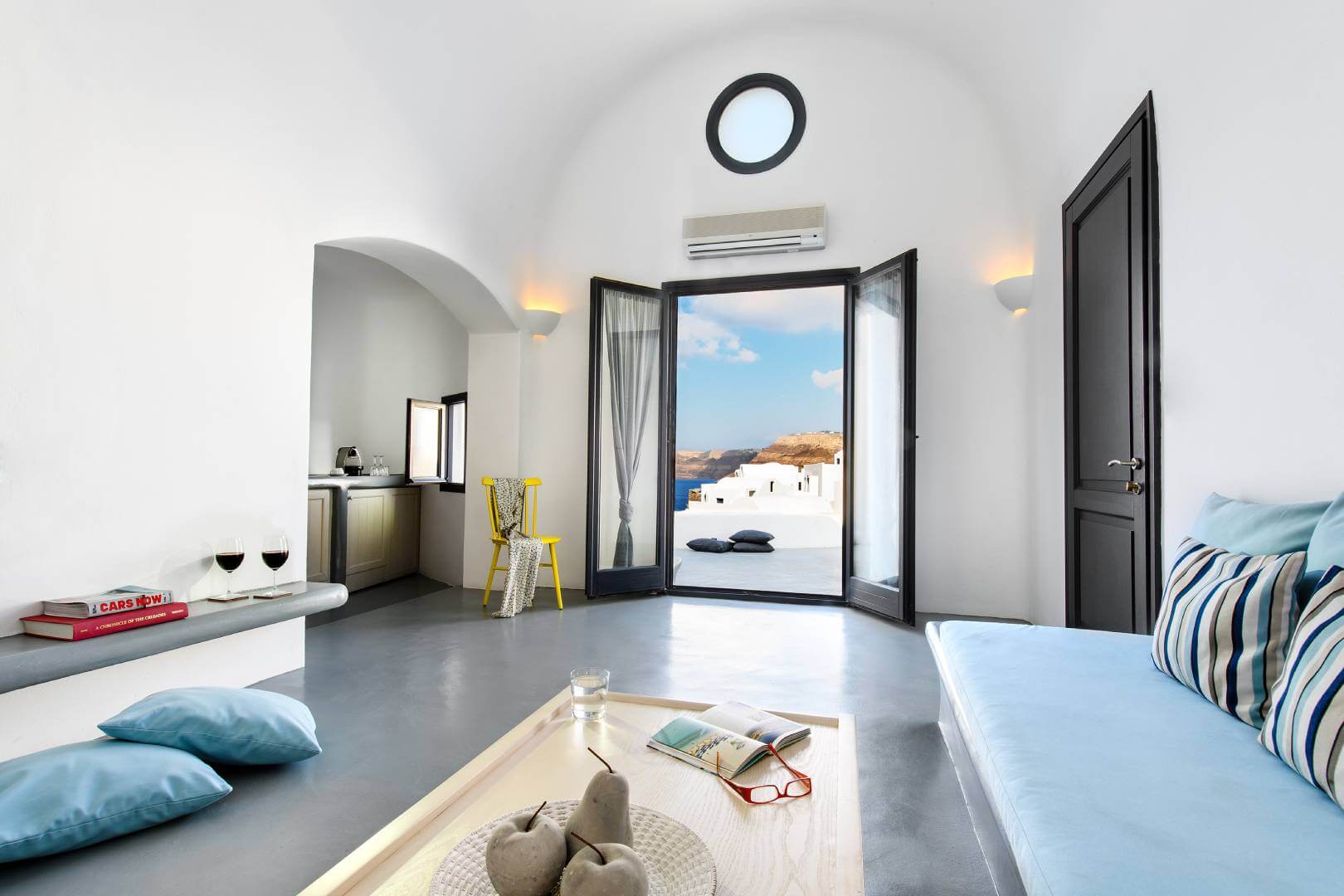
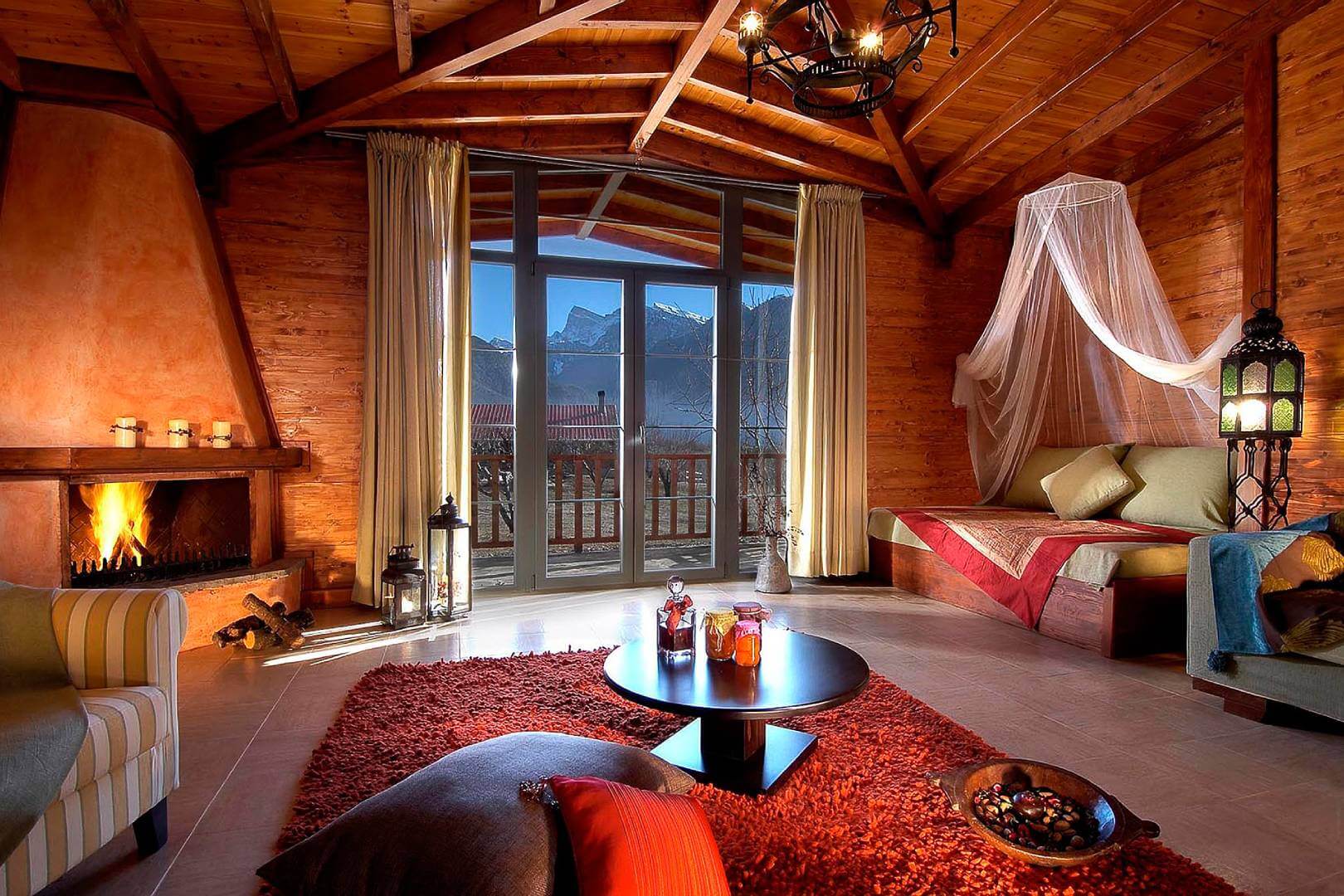
In interior spaces, I always work with utmost respect for the natural light that dominates within them. Therefore, I avoid altering lighting or making any color adjustments to the architect’s creation.
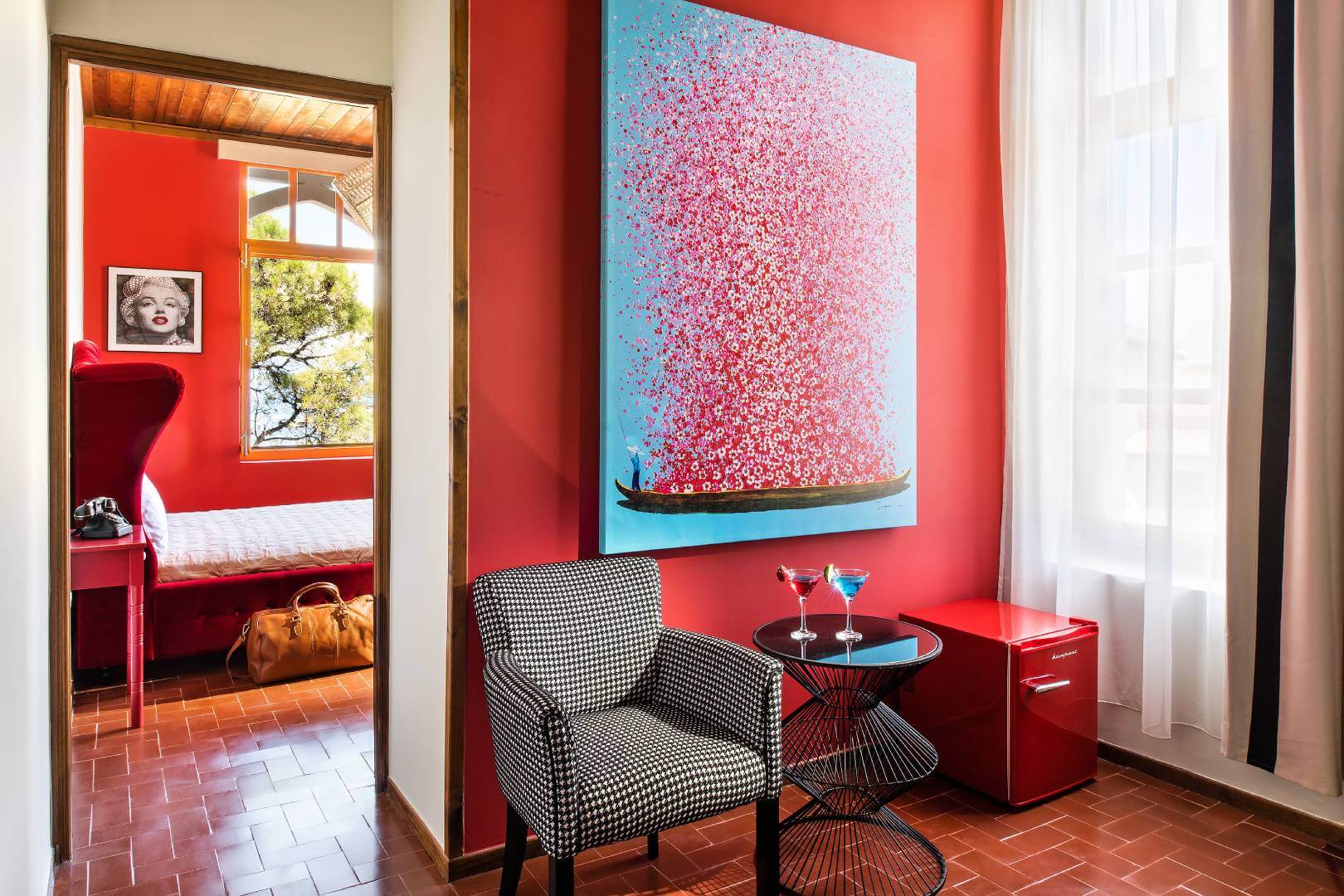
I use artificial lighting with great care and only when I determine that the existing lighting conditions are insufficient and need to be enhanced to bring out the existing atmospheric lighting.
Orientation
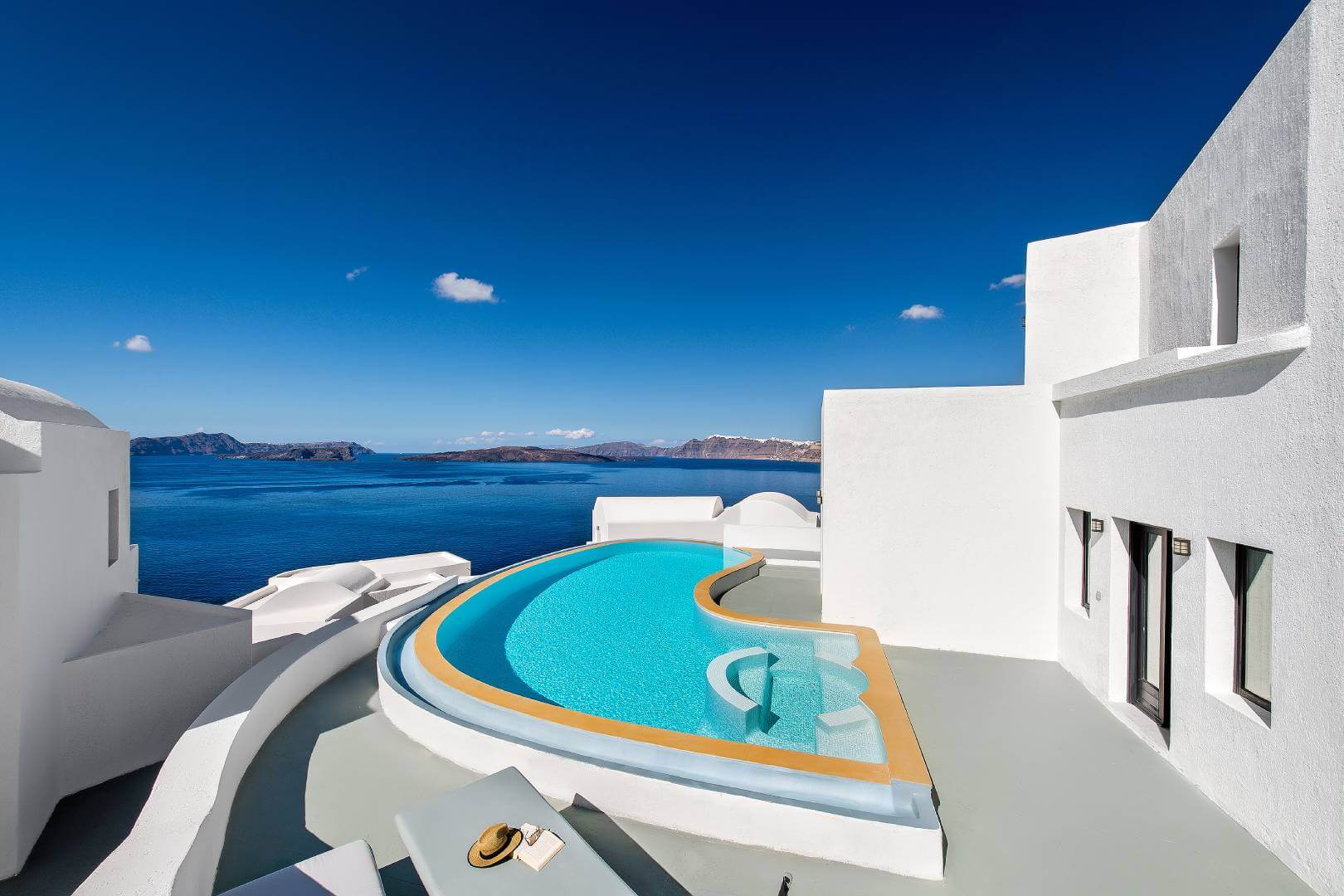
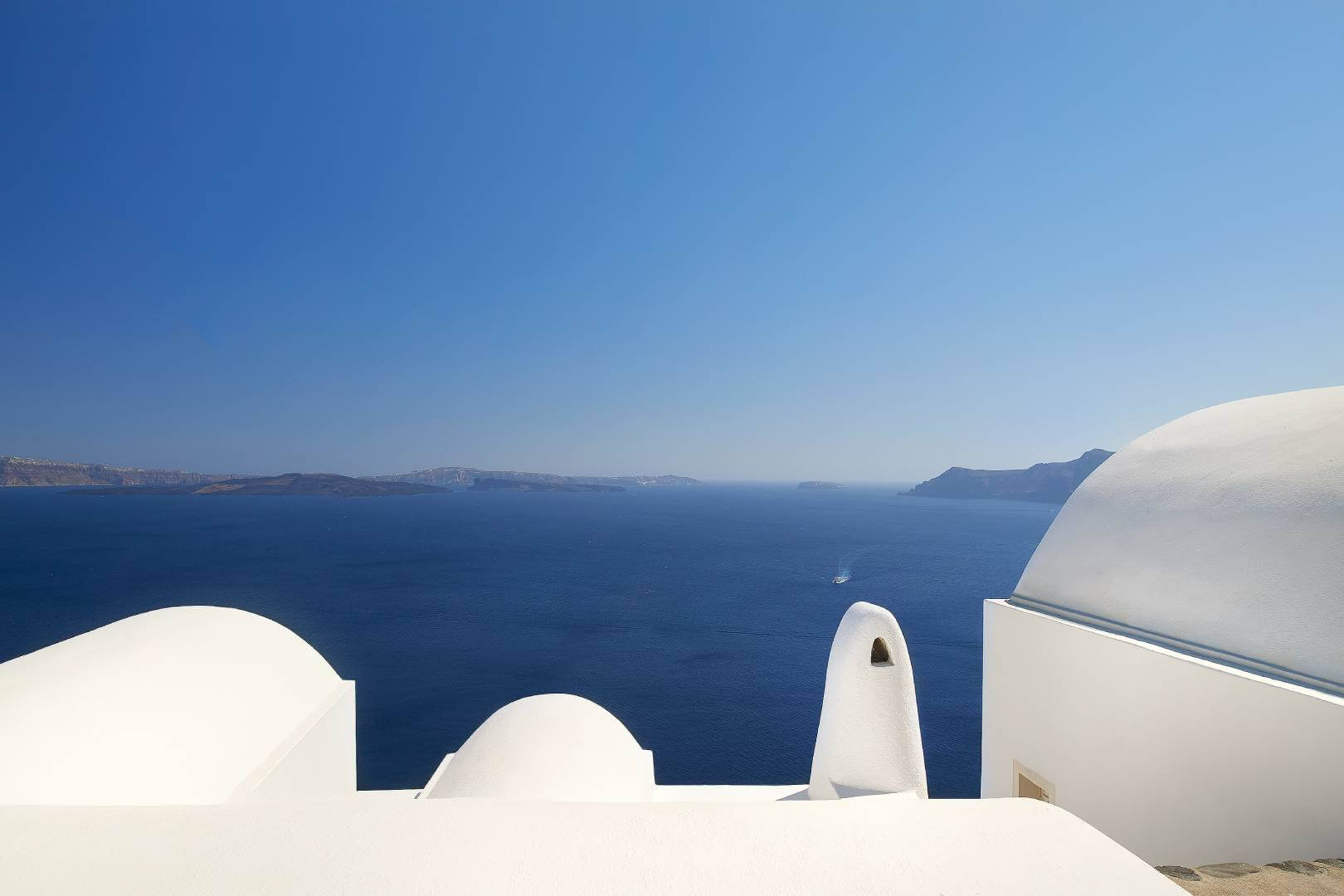
Orientation is one of the most important factors in architectural photography, as it significantly affects the final result of the images I take. As a professional photographer, I need to have a basic understanding of orientation, where with the help of technology and specialized applications, I am able to acquire full knowledge of the location of a structure. For me, orientation determines the time of the photoshoot.
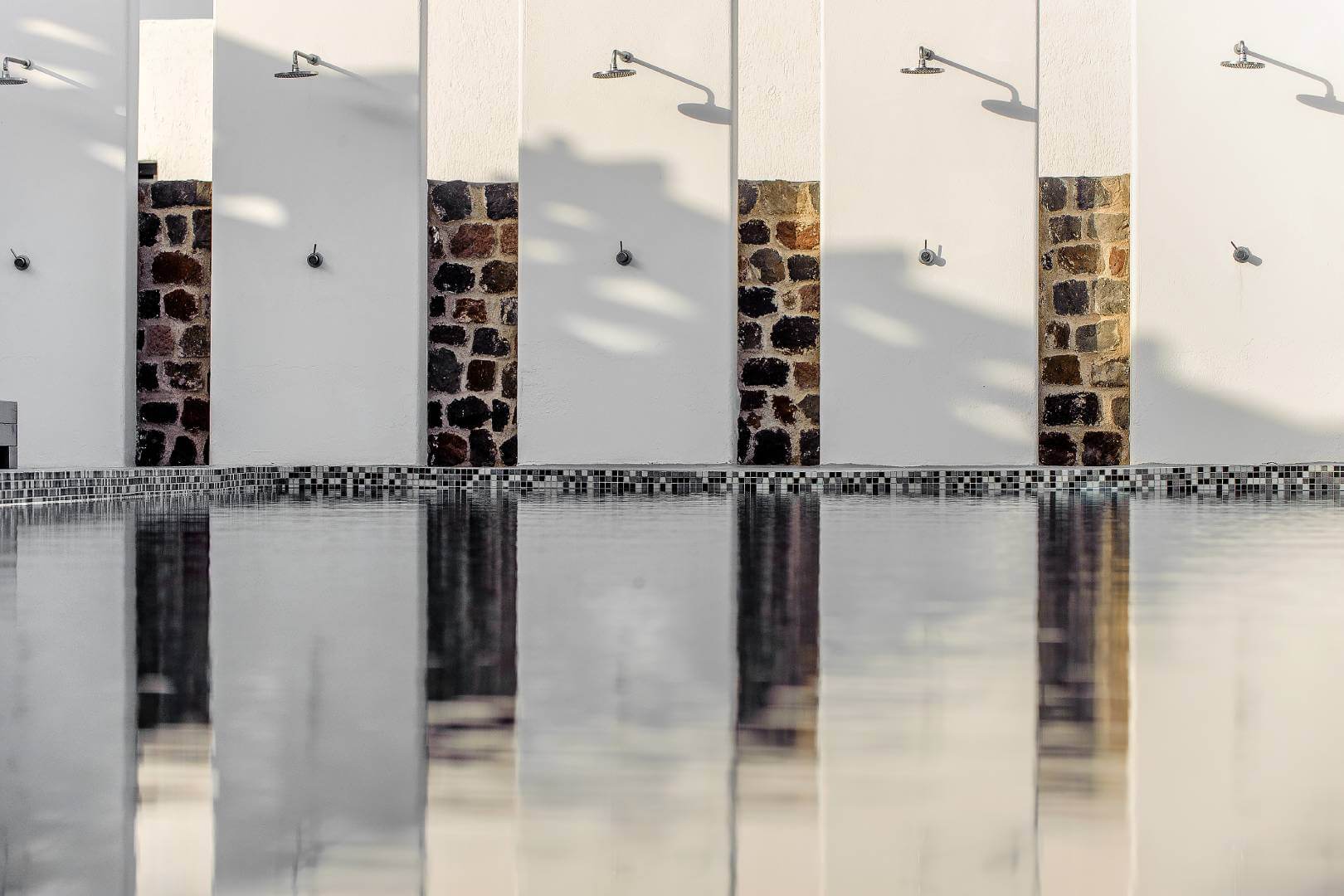
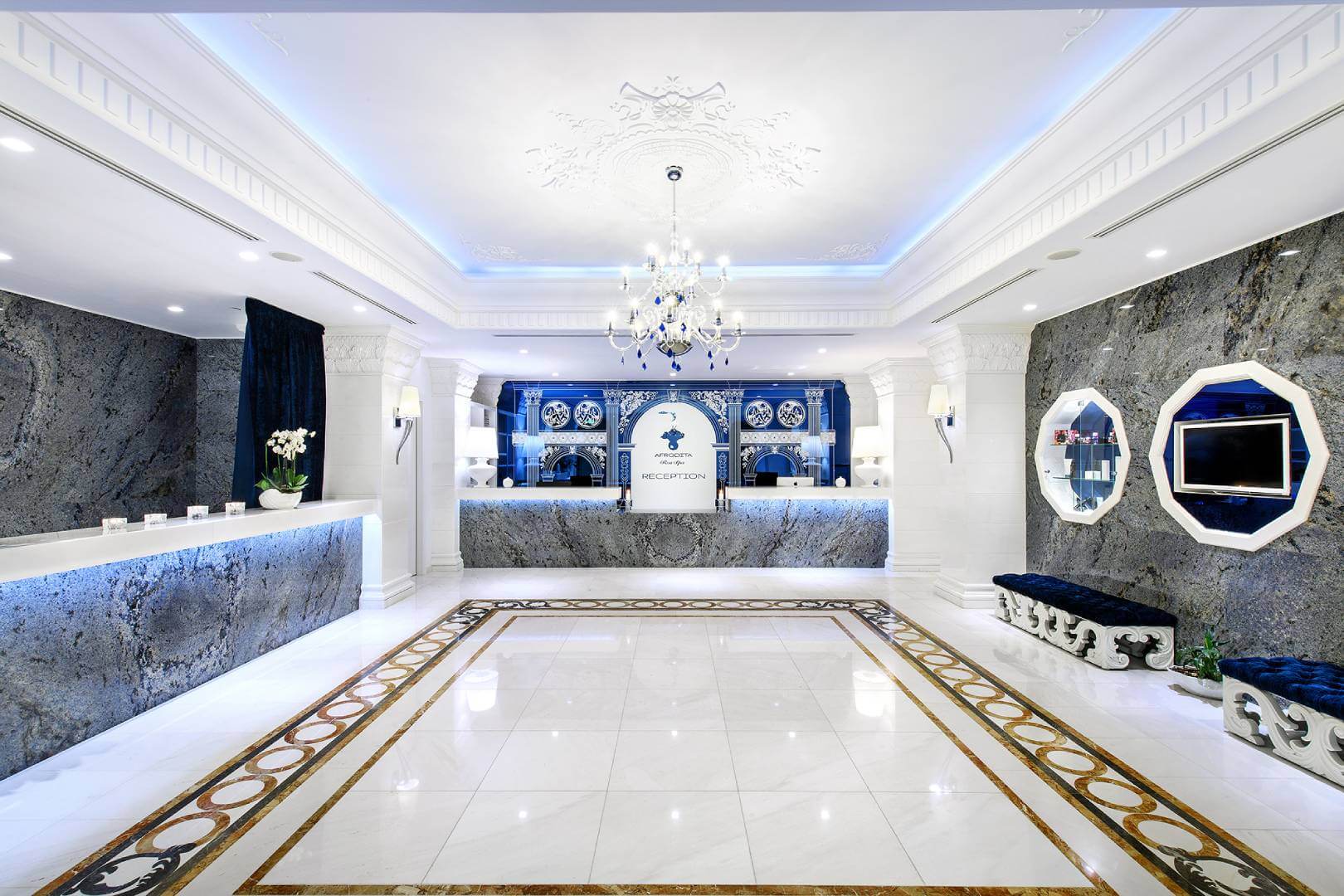
The slanted morning light and corresponding afternoon light are ideal for photography because they highlight:
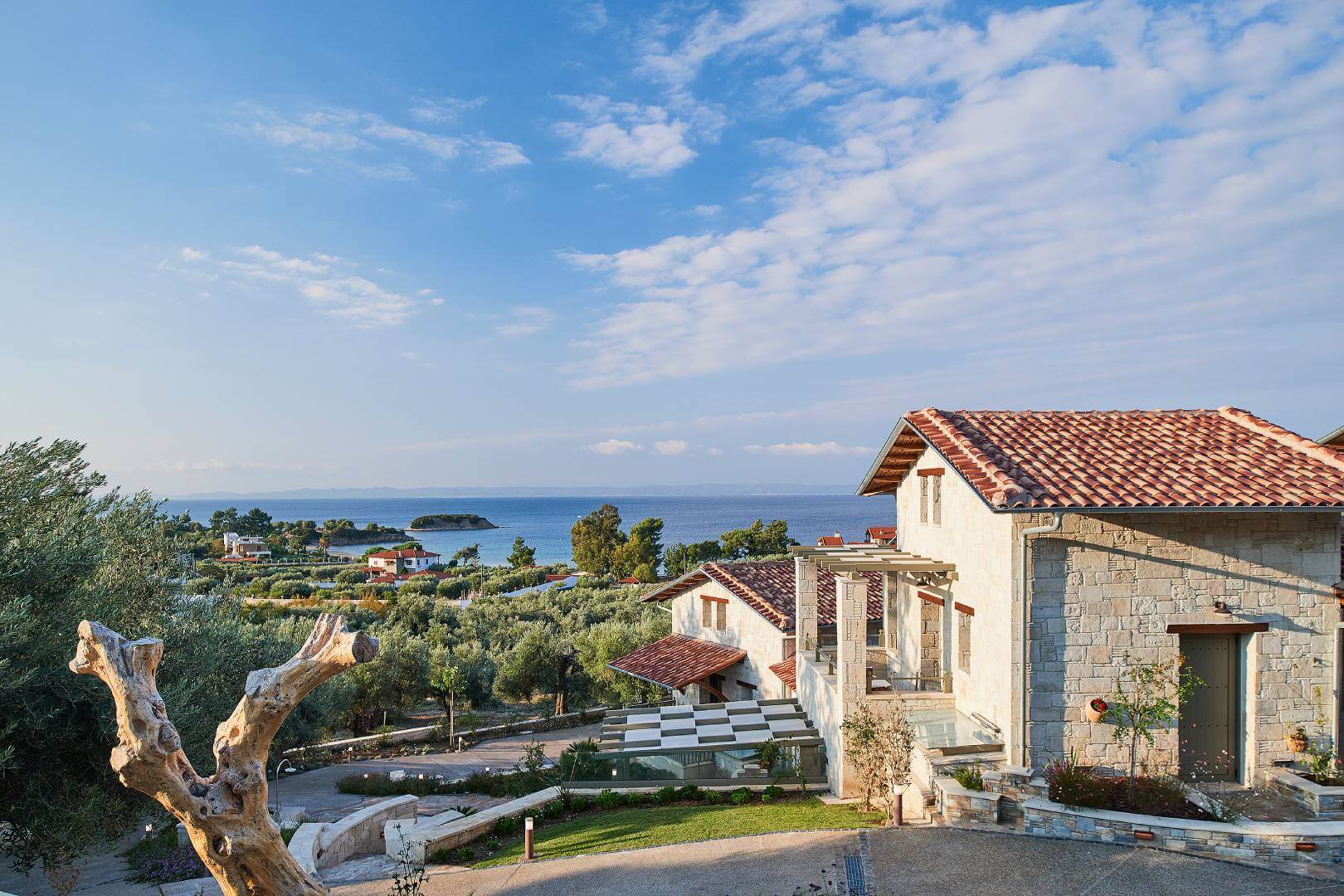
Weather Conditions
Weather conditions play a crucial role in architectural photography, influencing the brightness, atmosphere, and aesthetics of the final images I create. The weather does not limit me in architectural photography; on the contrary, it offers me opportunities for very special shots. In any weather, I have the ability to highlight different aspects of an architectural structure, both indoors and outdoors.
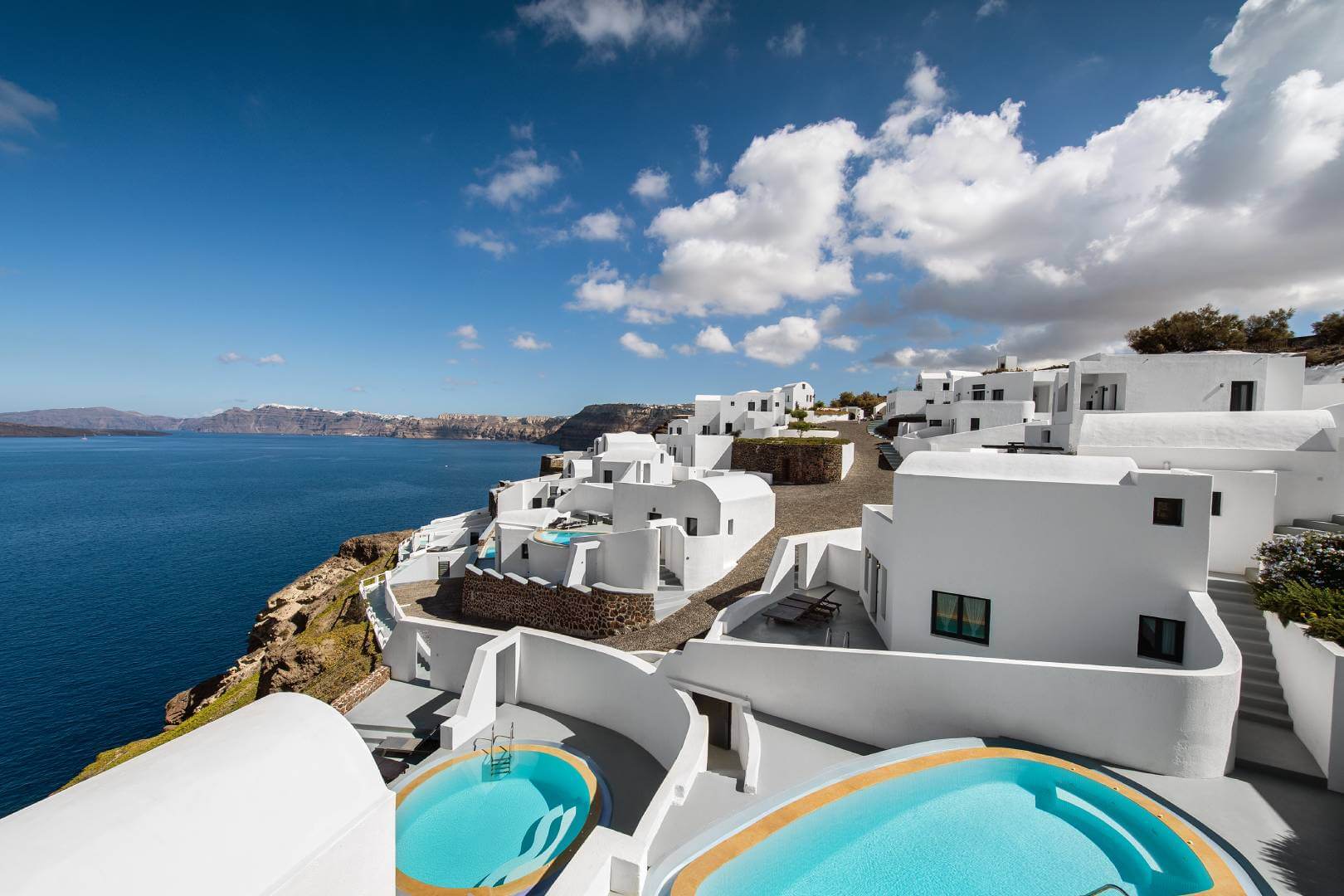
Night Shots
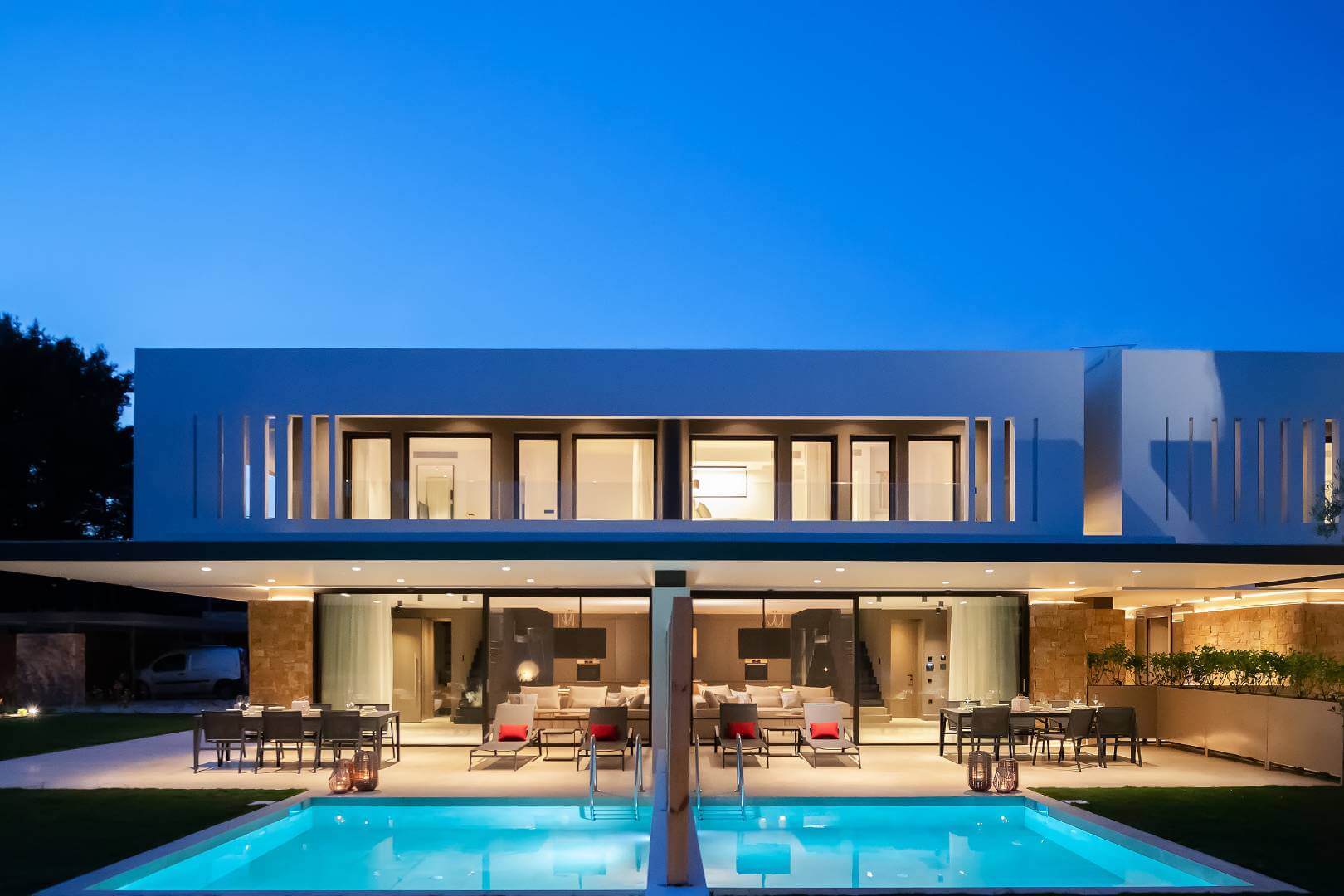
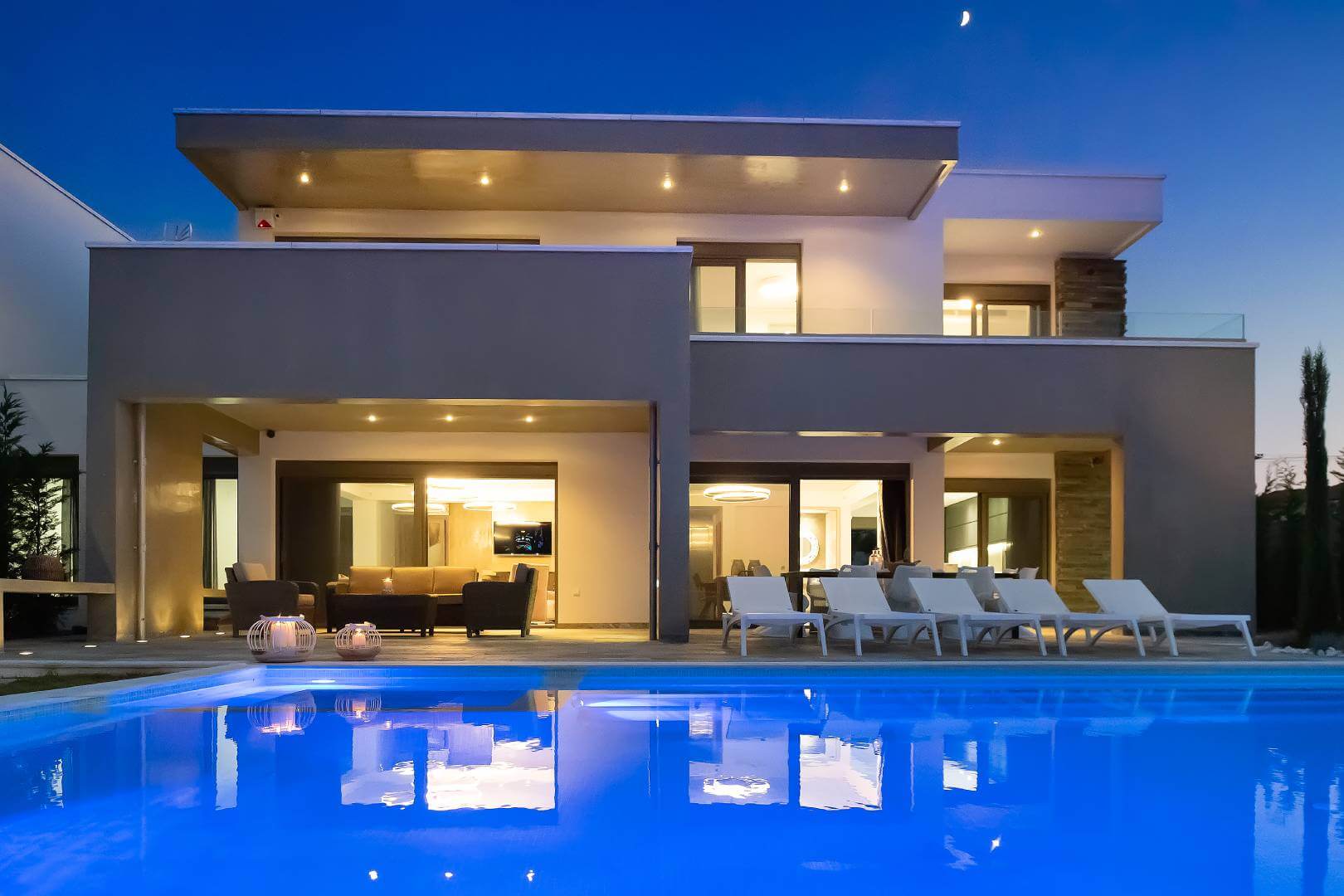
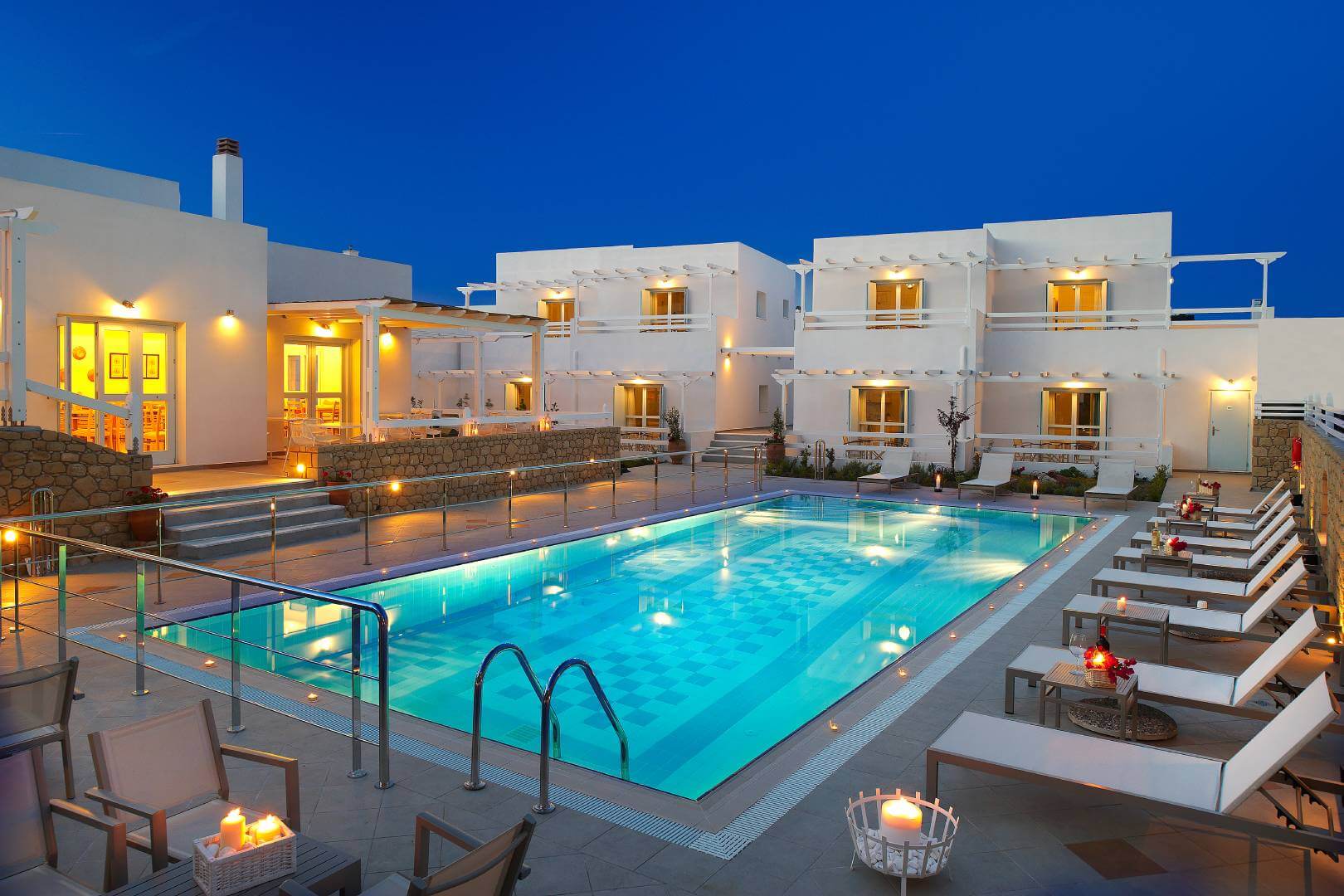
My night shots in architectural photography are exceptionally impressive and highlight elements of the building that “hide” during the day. My goal is to discover and bring to light these hidden elements.
The key characteristics of my night shots are:
Atmosphere
I use darkness and artificial lights in my images to create drama and mystery.
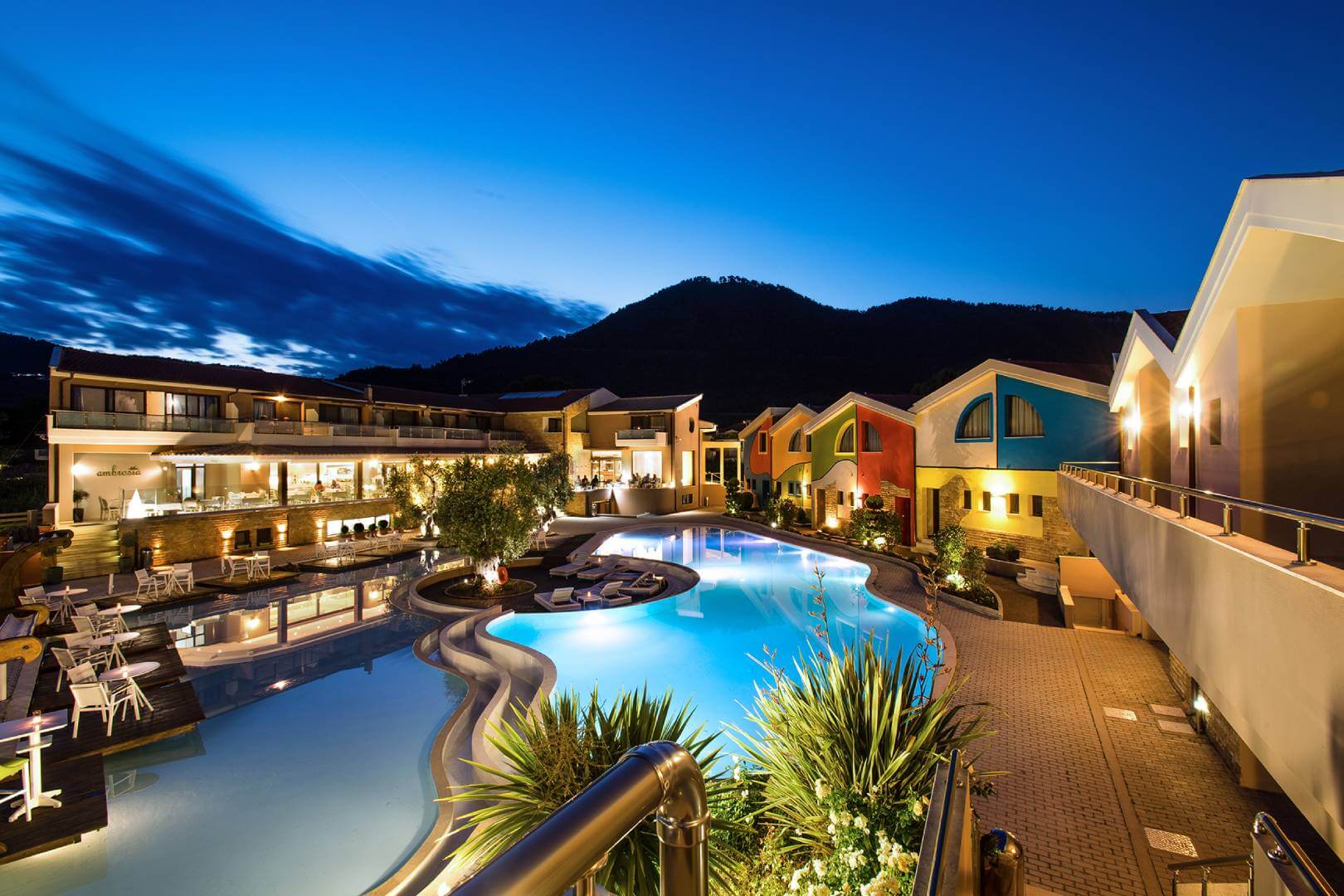
Lighting Emphasis
My night shots focus on the lighting design of the architectural structure.
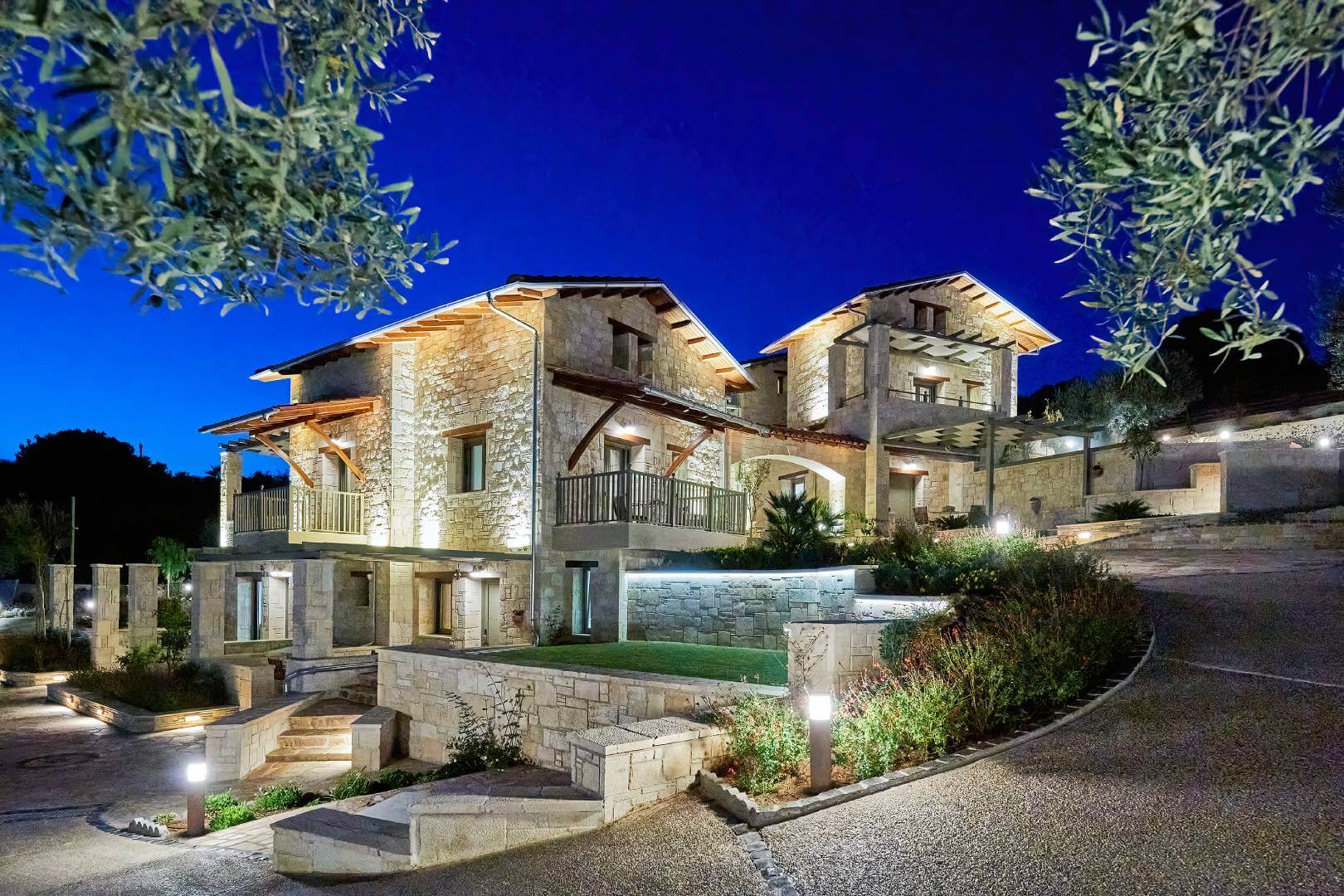
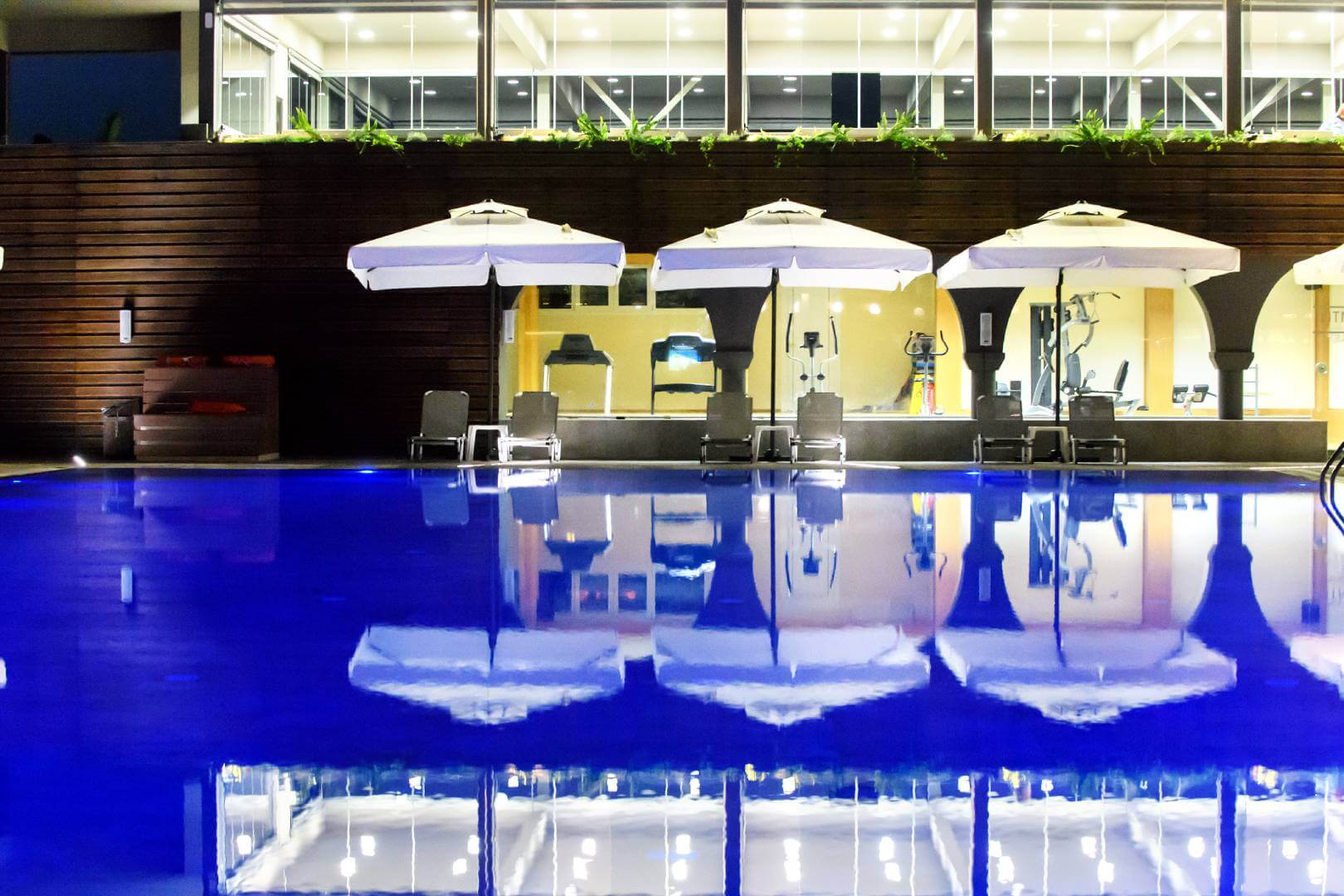
Reflections
I pay particular attention to the visual effects created by the sea, a swimming pool, rain, or glass surfaces.
Tonal Contrast
Through the frames I create, the contrast and geometry are enhanced, as well as the relationship between the building and its surrounding environment.
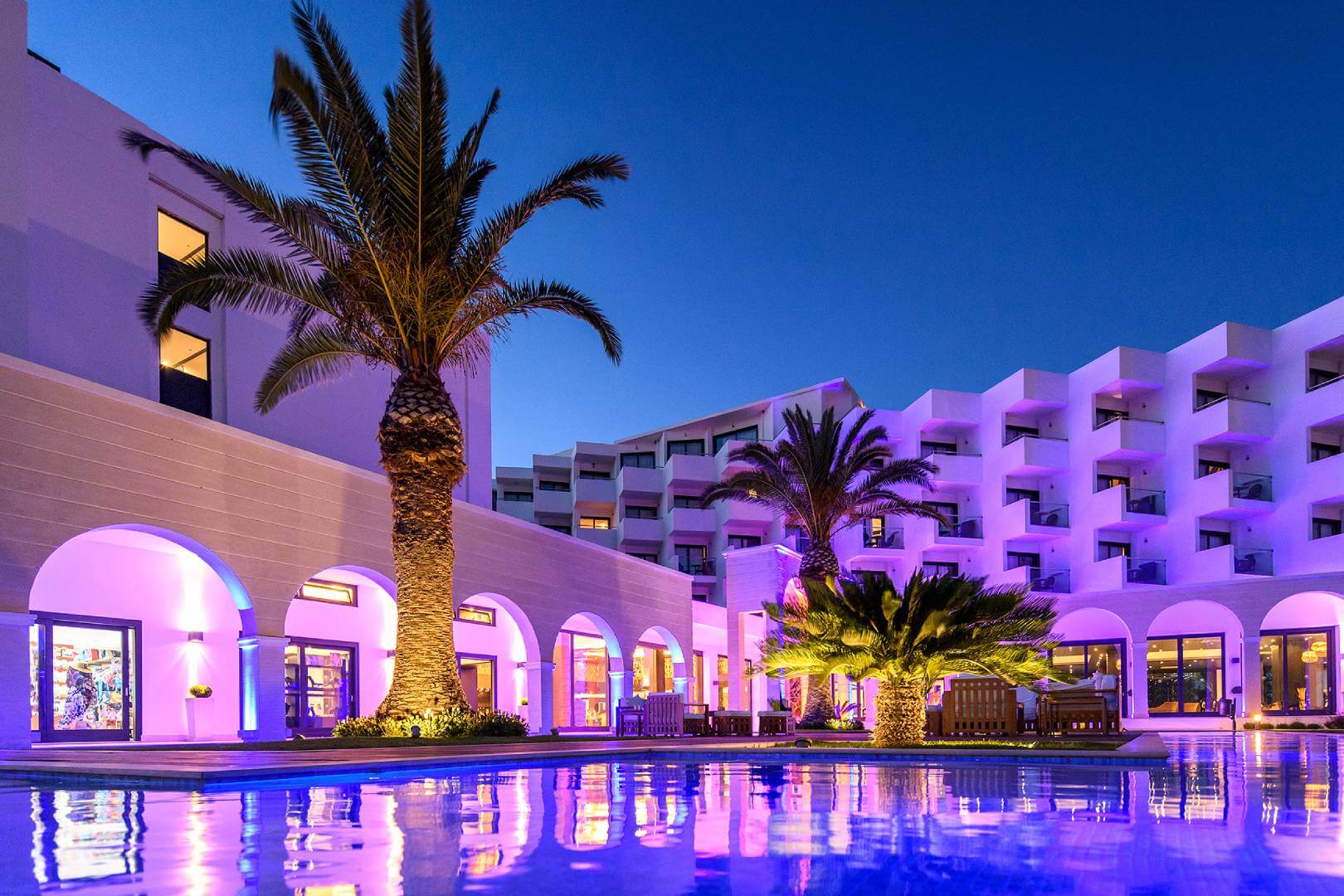
Night shots are my favorite category of images when I photograph architecture. I aim to work mainly during the time when the intensity of the building’s lights balances with the external daylight. However, all of this requires careful preparation, teamwork, and good coordination from everyone involved in the photoshoot. I am always delighted when the result justifies me every time I deliver quality photos that highlight the uniqueness of the architecture.
Specialized Photography Equipment
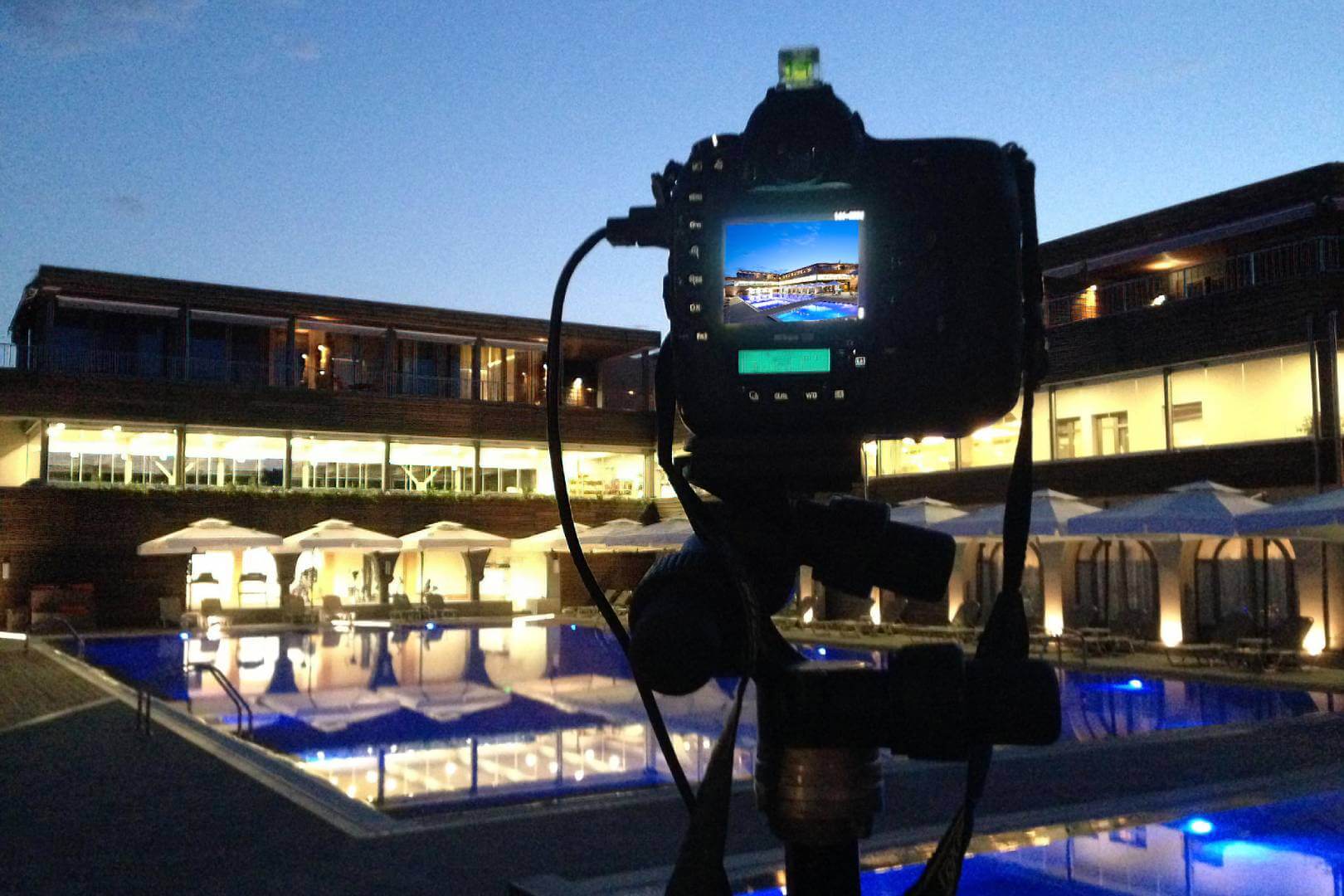
Throughout my professional career in architectural photography, my main concern has always been to avoid distortions (Keystone Effect).
During a photoshoot, when the camera is not parallel to the building, distortions occur, where vertical lines (such as walls and windows) appear to lean inwards or outwards. To prevent these distortions, the camera must be aligned first, and by using professional tilt-shift lenses, all distortions are corrected.
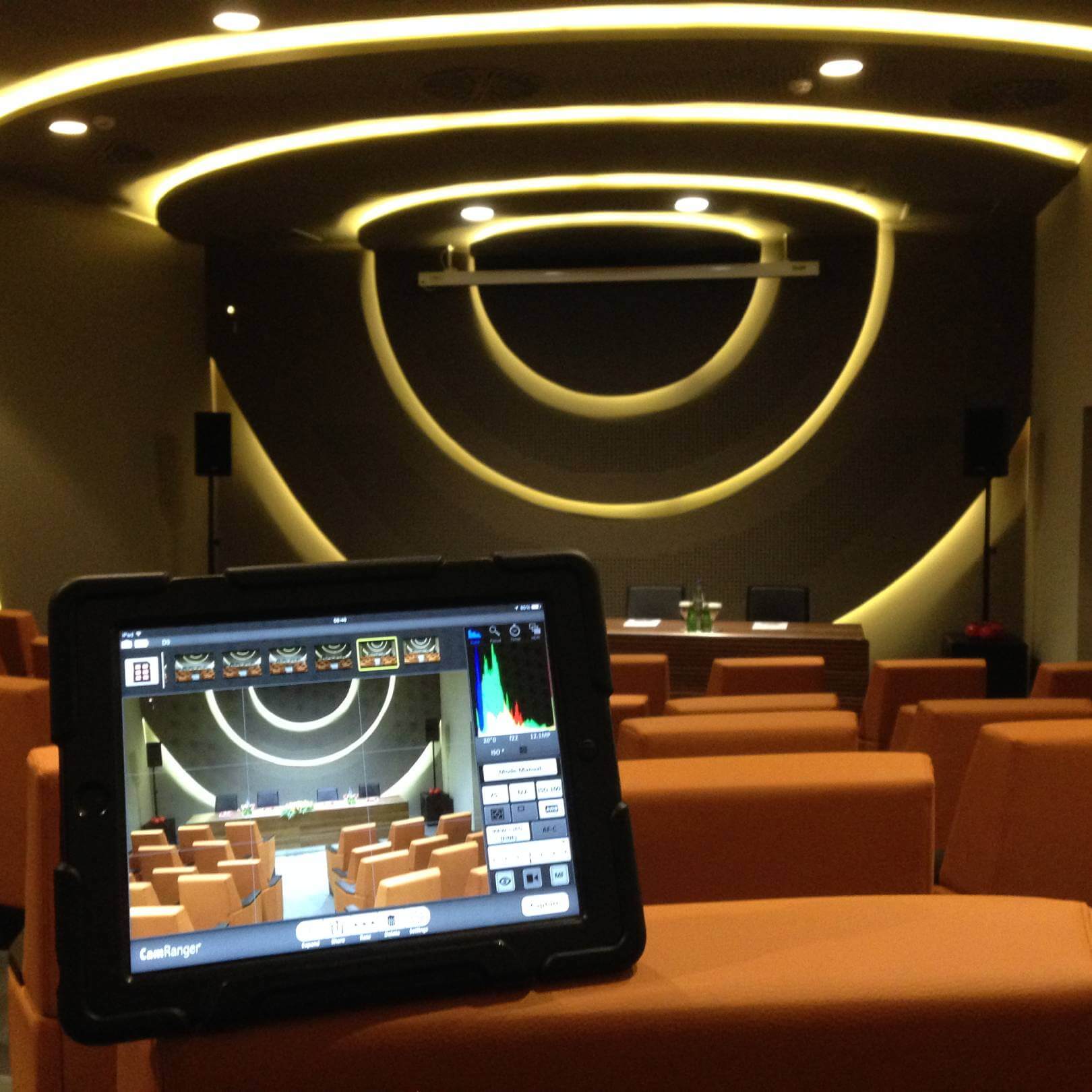
Use of Appropriate Lenses
My photographic equipment includes a wide range of professional lenses that I use depending on the situation.
The lenses I use, which are ideal for the architectural projects I photograph, are as follows:
Wide-Angle Lenses: These are usually essential for photographing large buildings or interior spaces. However, using them requires caution, as they can cause distortions at the corners.
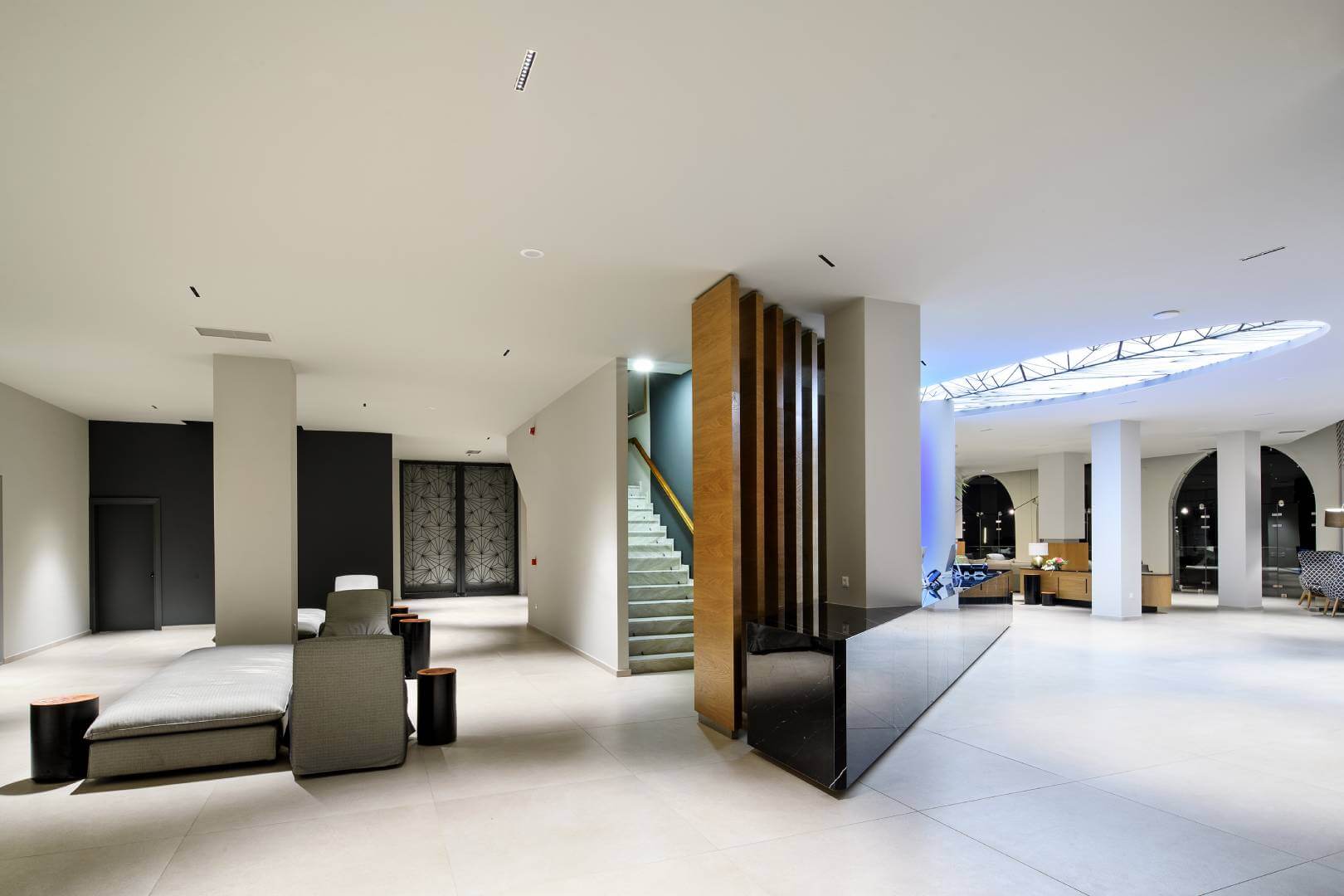
Tilt-Shift Lenses: These are excellent for avoiding distortions and correcting the tilt of buildings, while also allowing greater flexibility in composition.
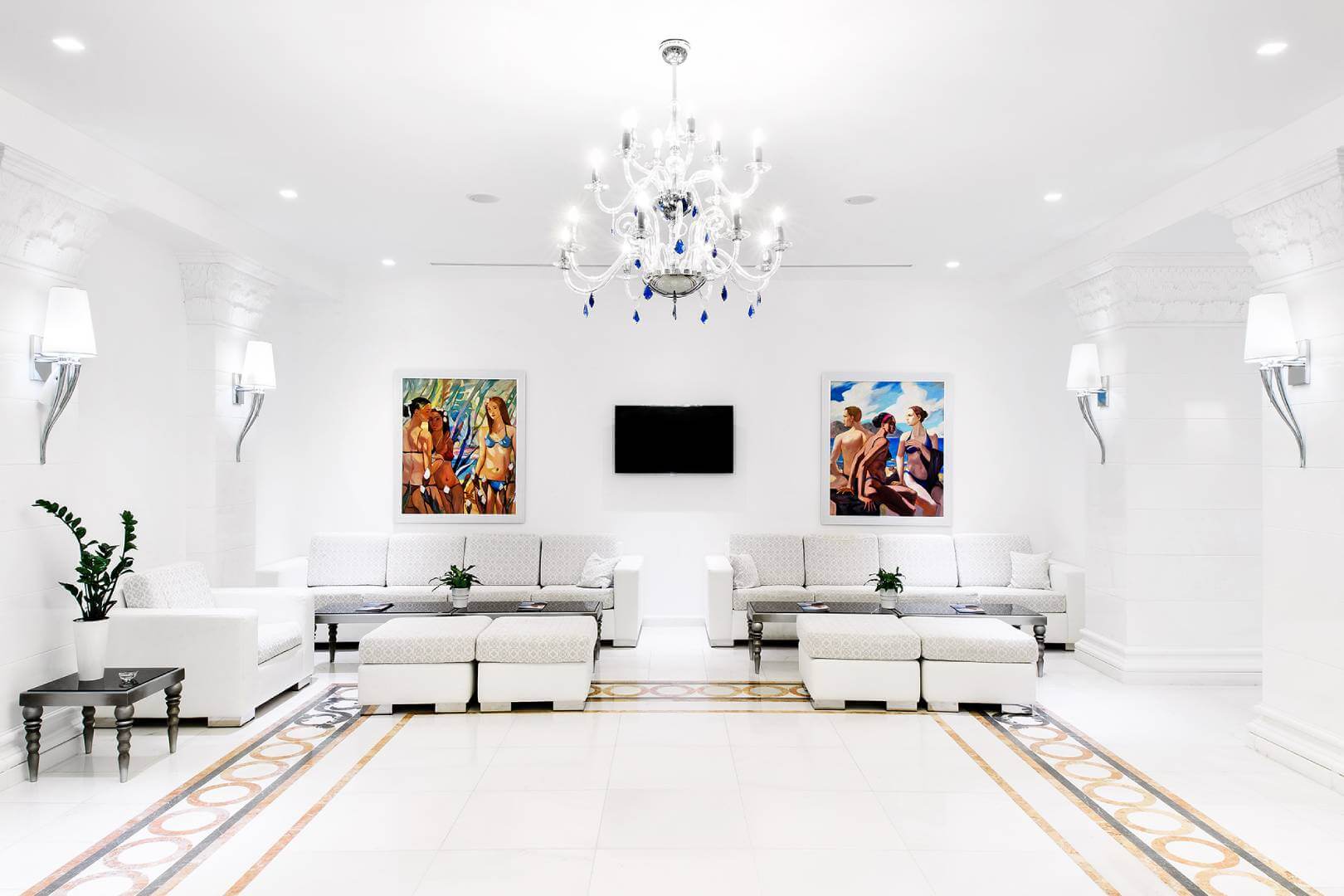
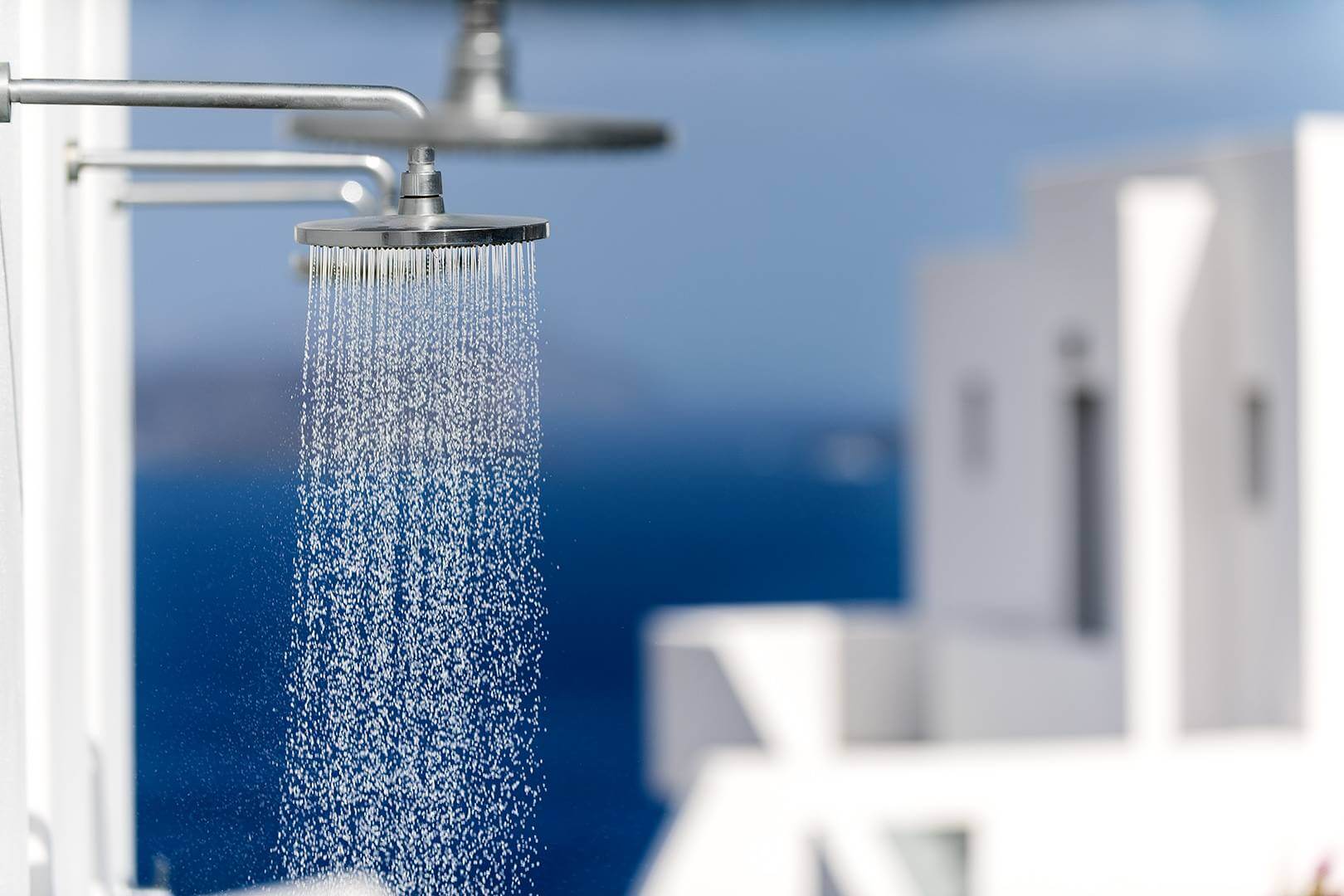
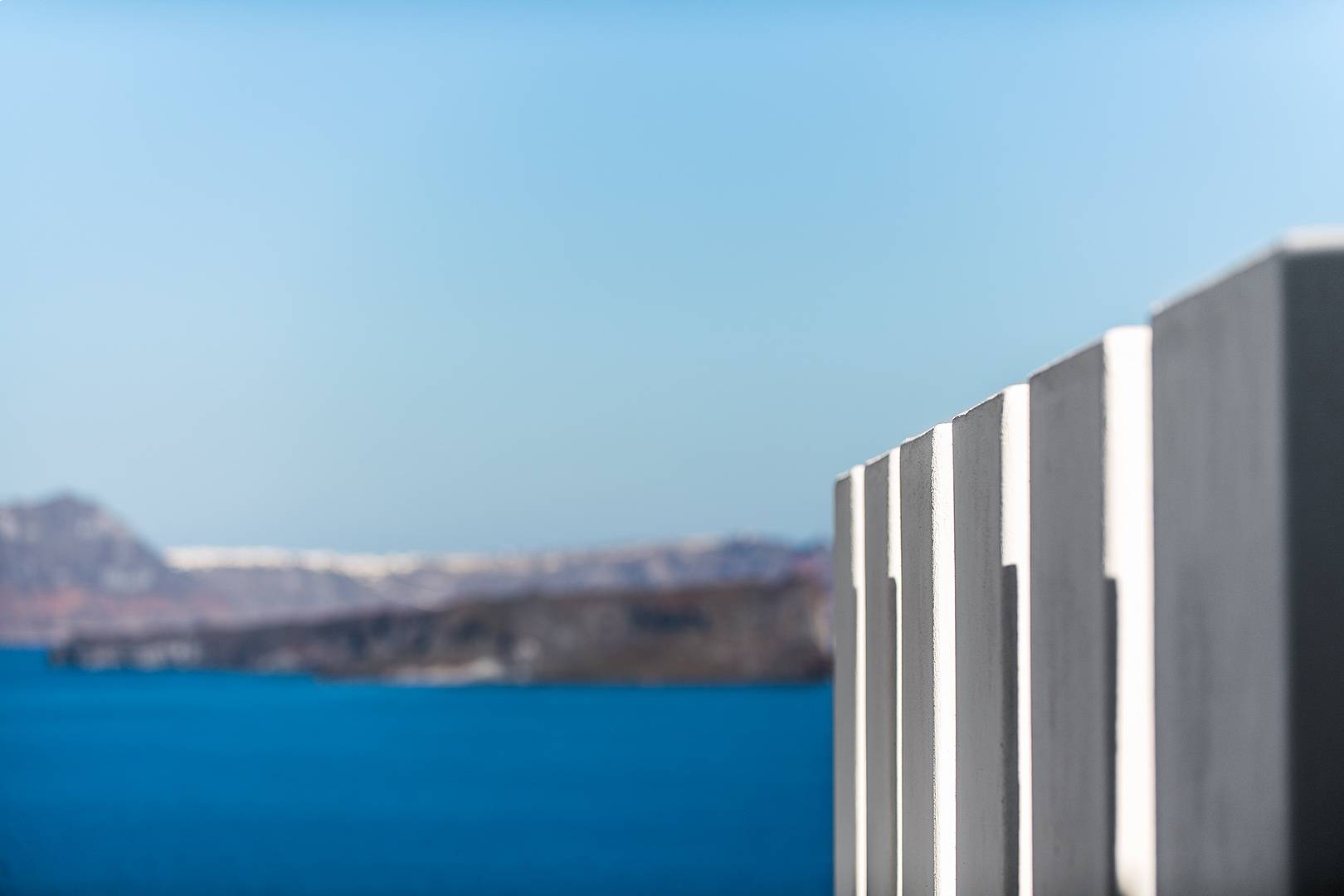
Telephoto Lenses with Medium and Long Focal Lengths: These lenses have the ability to isolate details, decorative elements, surfaces, textures, etc. My extensive professional experience has allowed me to handle this category of lenses very effectively, achieving excellent results in the architectural photography I undertake.
Editing (Image Post Refinement)
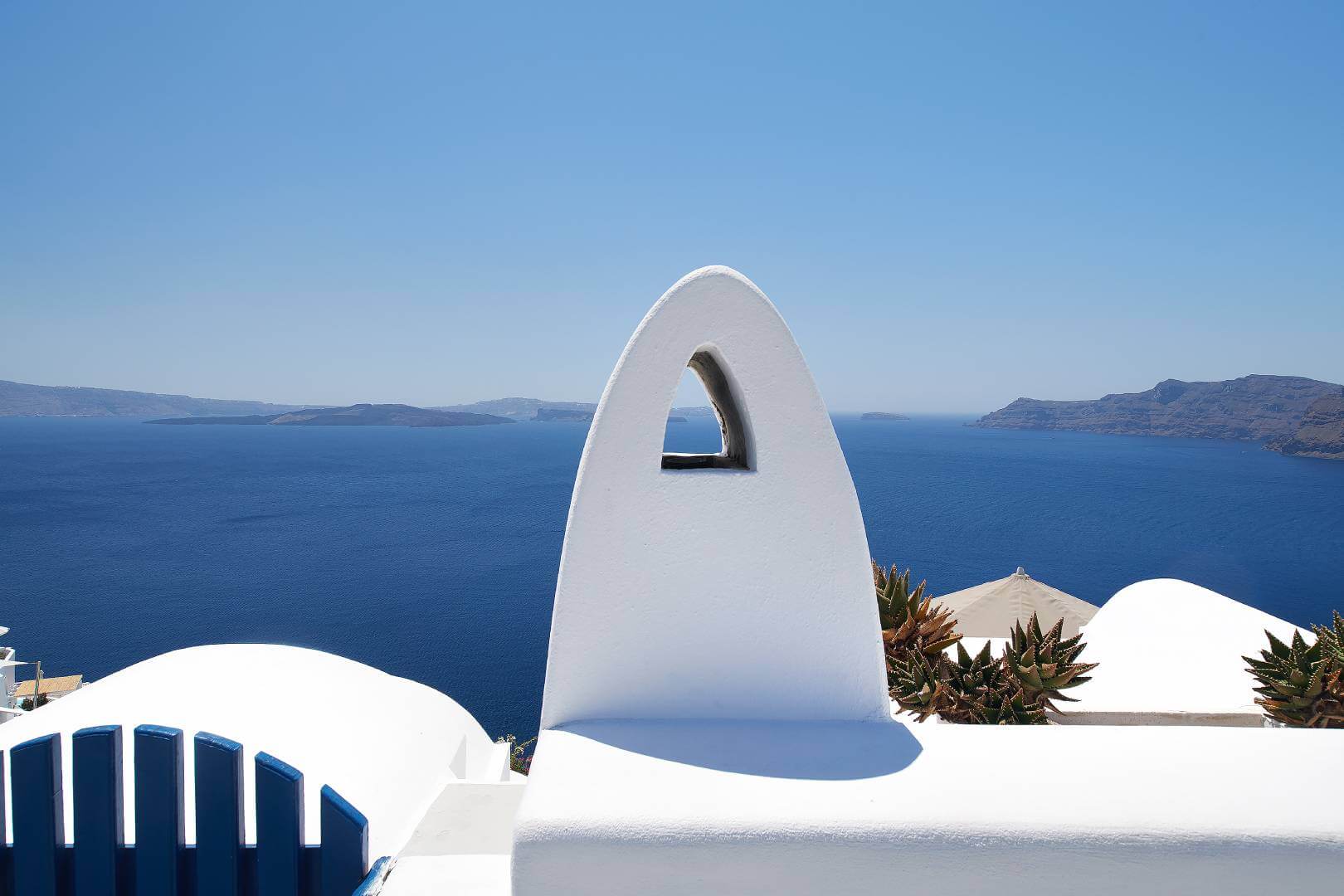
In all the professional photoshoots I carry out, digital editing of the selected images is essential for enhancing brightness, contrast, sharpness, and accurate color reproduction. Correcting distortions (which may arise due to the angle of capture or the lens) is often necessary for fixing perspective. To ensure that the space is represented correctly and objectively, without technical flaws or color exaggerations, I work with specialized professionals who focus exclusively on image editing. I provide them with detailed guidelines based on which they will manage my files. This ensures that they have a complete and comprehensive understanding of the architecture of the spaces.
Here are some examples before and after processing
Conclusion
The relationship between architectural photography and tourism photography is close and interconnected. In architectural photography, my main focus is on capturing the aesthetic, uniqueness, constructional, and functional aspects of buildings and other structures, aiming to highlight the aesthetic value of architectural constructions and their relationship with the surrounding environment.
When it comes to assigning a photoshoot for an architectural project, my collaboration with the project team (architects, interior designers, decorators, construction companies) is continuous and close. Only then can I achieve the goals set for me, delivering the project accurately with flawless images both in terms of aesthetics and technique.