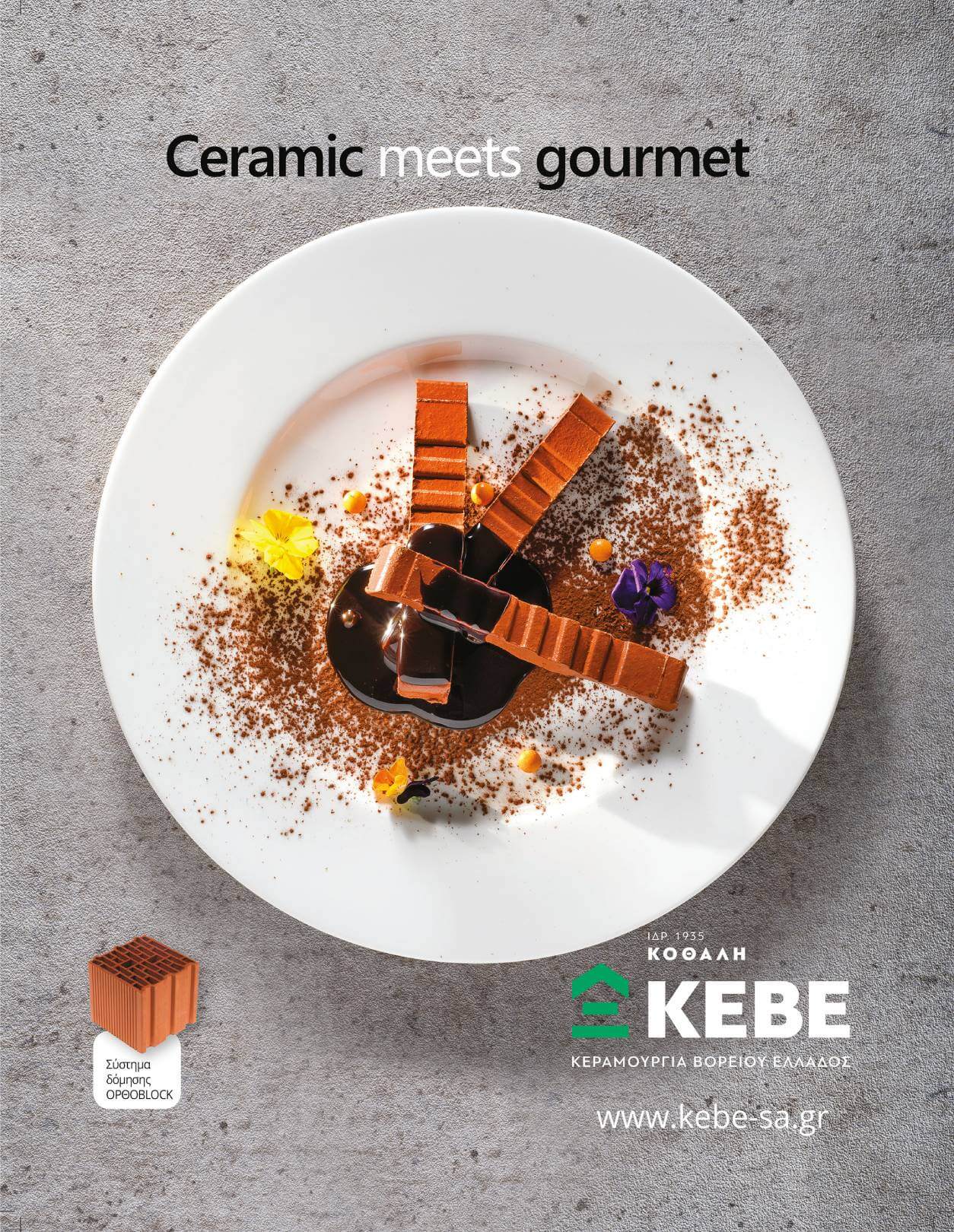
Contemporary visual trends and developments in the promotion and promotion of gastronomic tourism
From the “raw” depiction of dishes to the visual journey of savoring them
Modern travelers are increasingly seeking immersive and interactive experiences. As a result, the images used to promote gastronomic tourism must do more than simply showcase food—they must engage the viewer’s senses, spark their imagination, and align with their expectations. This way, potential visitors are not only enticed but also inspired to embark on unique culinary adventures that they can cherish and bring back to their home countries.
As I capture each dish, my primary goal is to captivate the viewer and tantalize their appetite, while simultaneously showcasing the dish’s aesthetic beauty. I view meals as rich, multi-sensory experiences that encompass far more than just the food itself. They serve as a gateway to the local gastronomic culture, intricately tied to the origins of the ingredients, the history, landscape, traditions, customs, and overall essence of the place.
Emerging Trends in Visual Storytelling
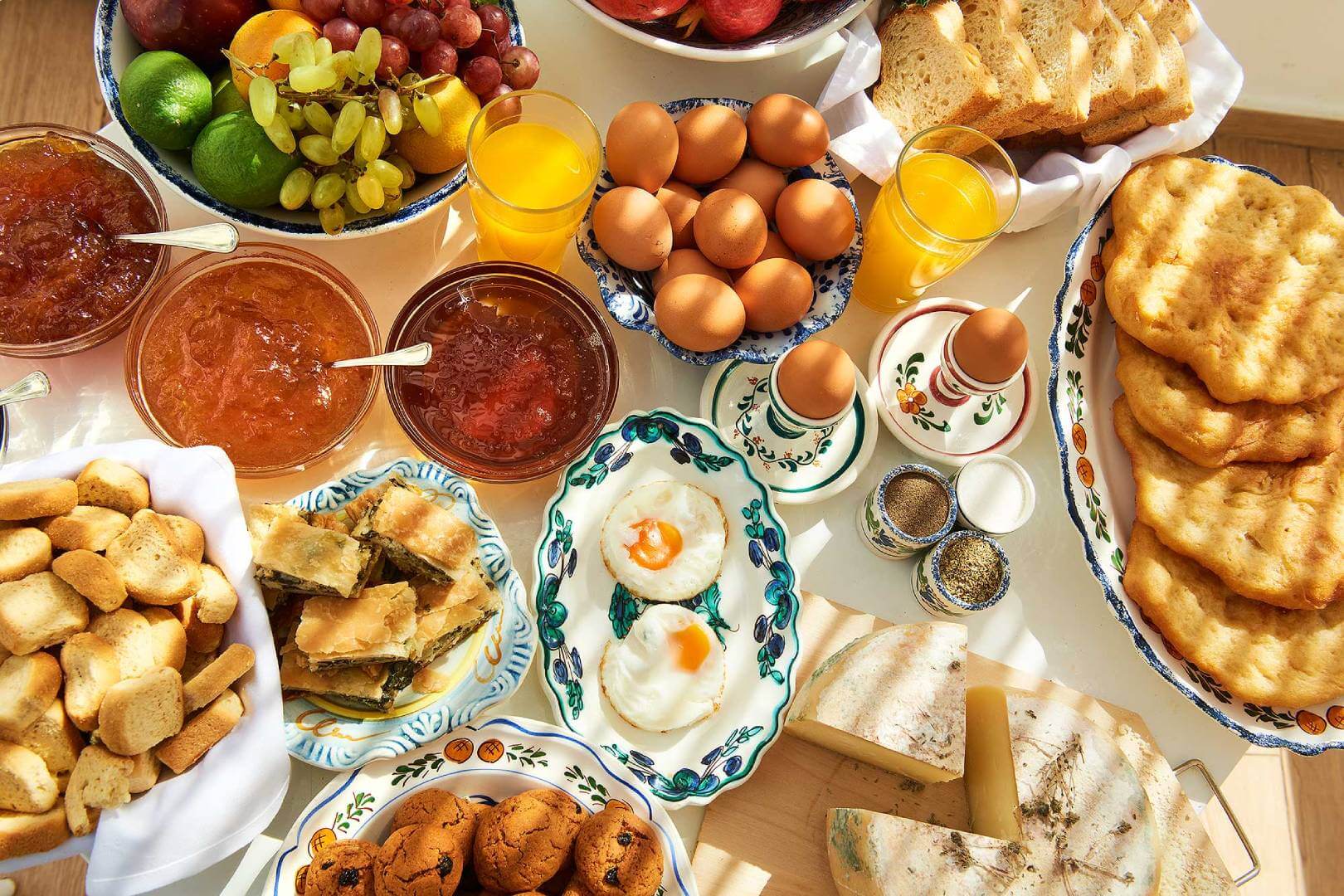
Contemporary imagery used to promote gastronomy has evolved beyond just cooking, recipes, and drinks. It now also highlights traditional local products, cultural activities, and regional services, offering a more holistic view of the gastronomic experience.
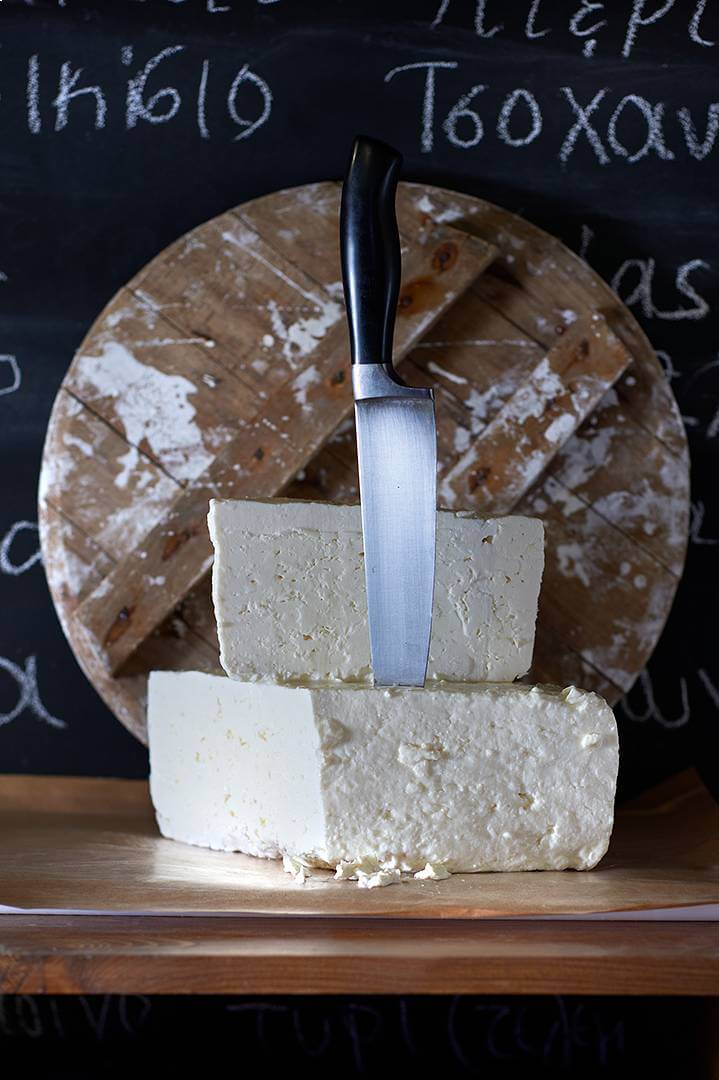
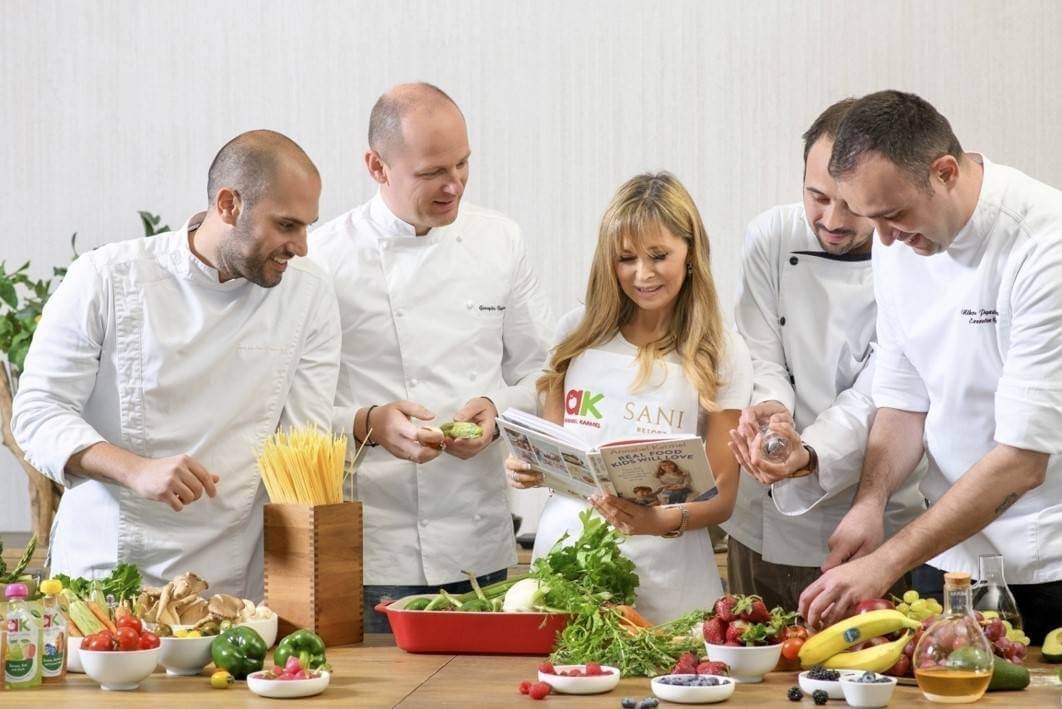
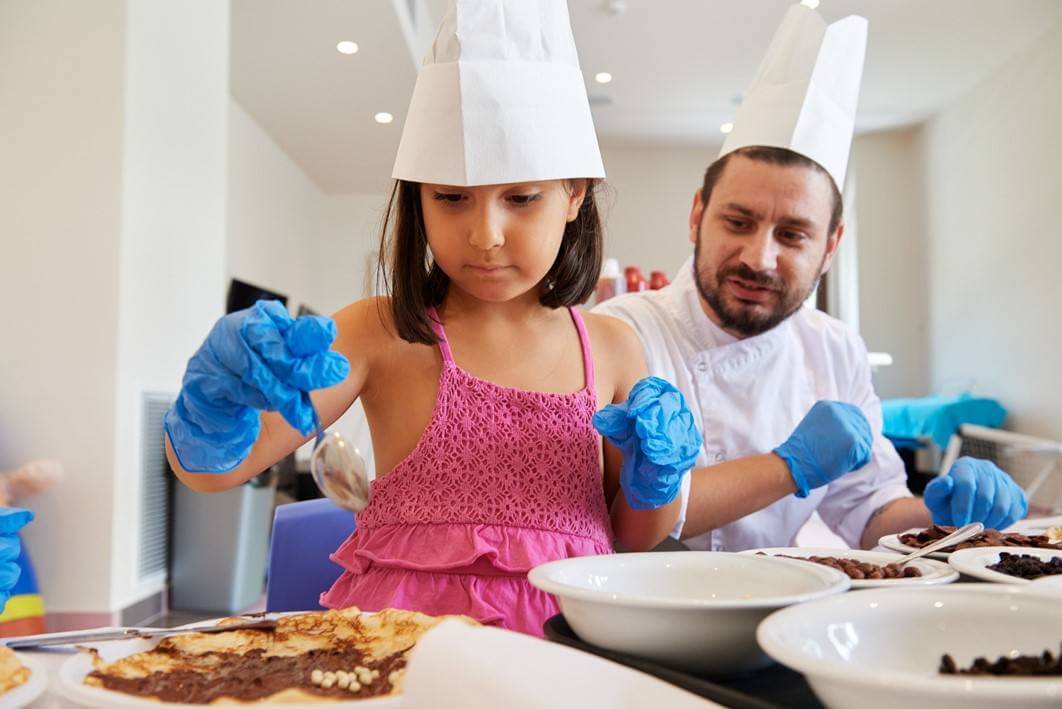
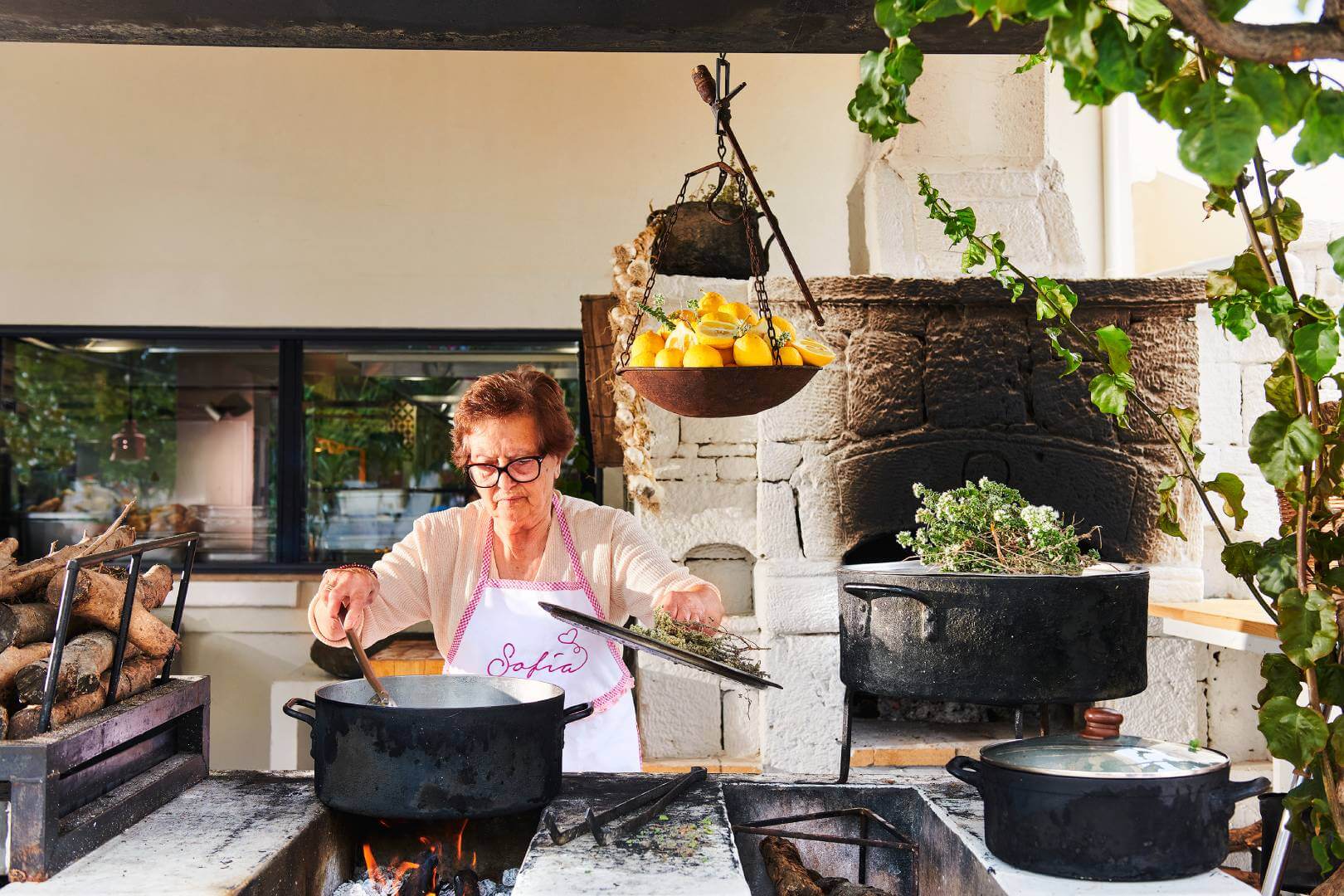
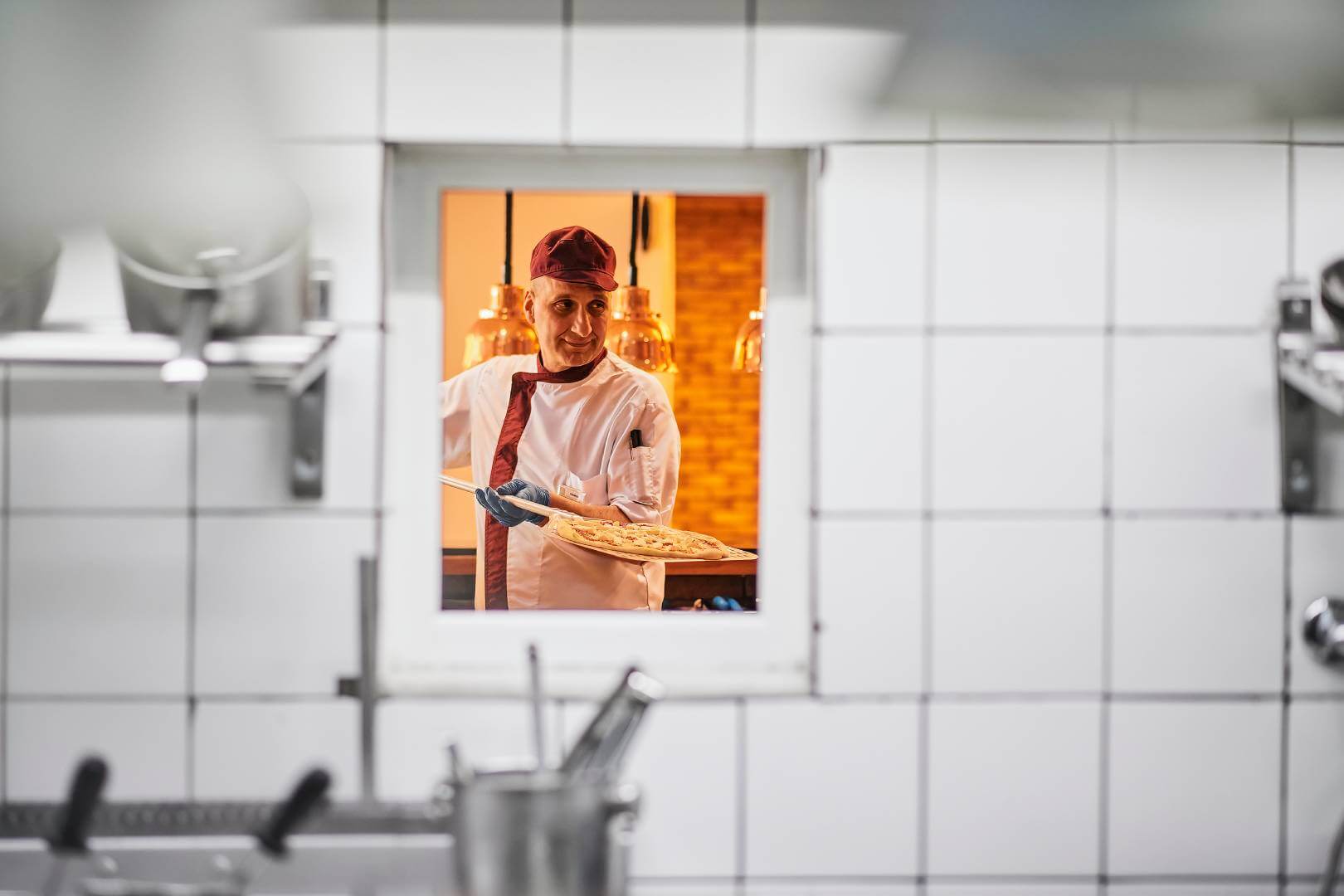
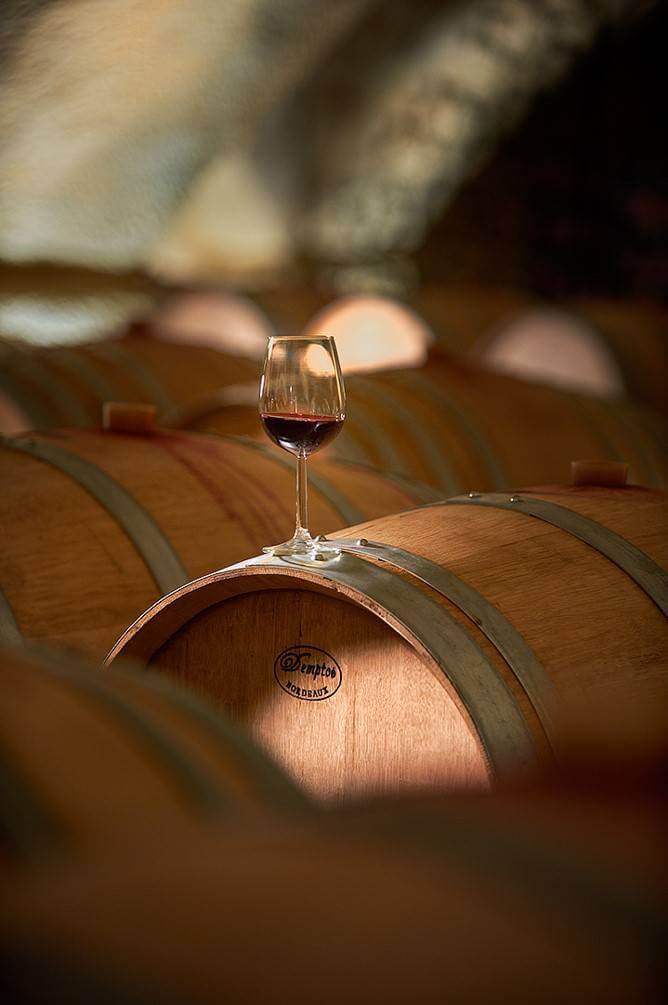
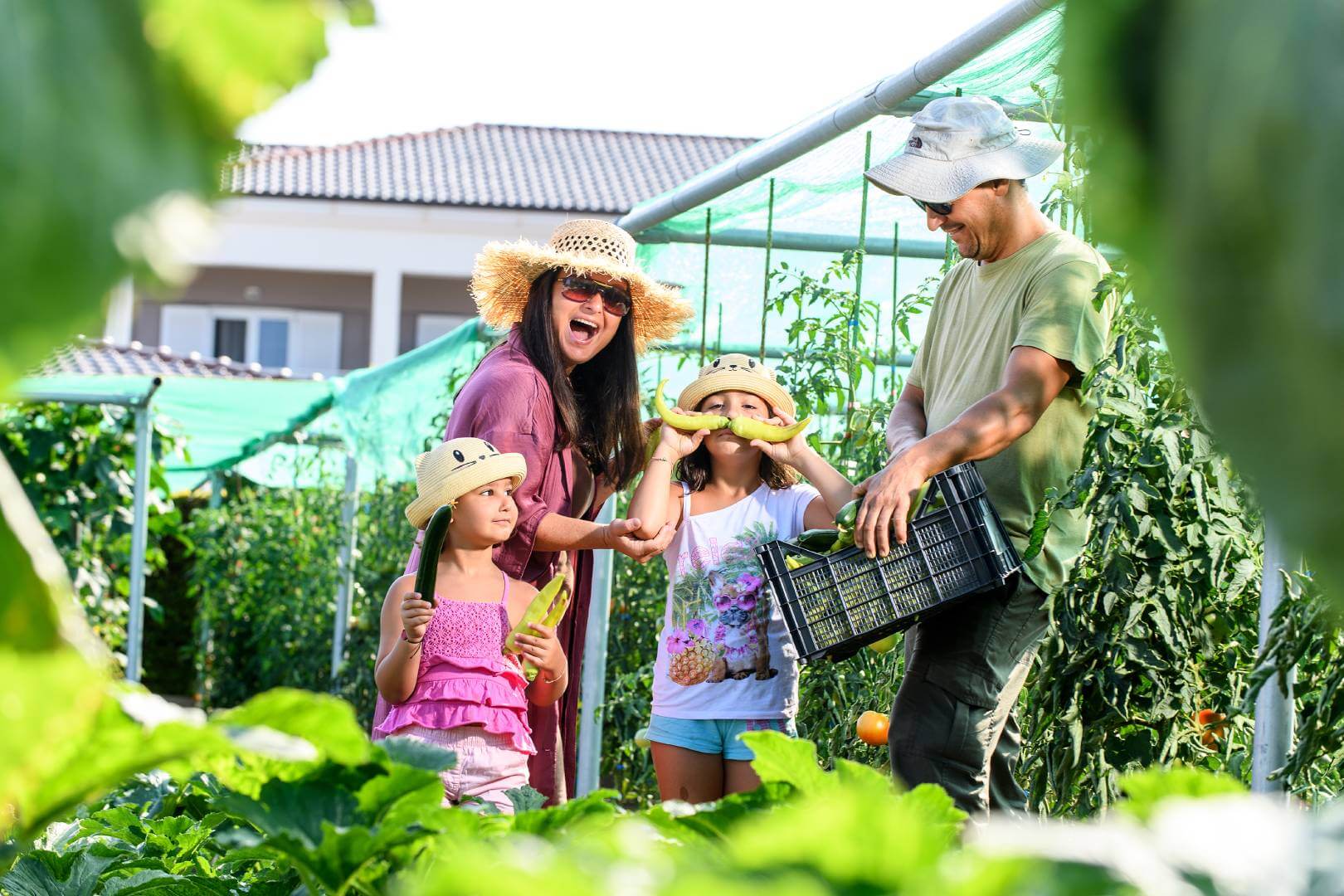
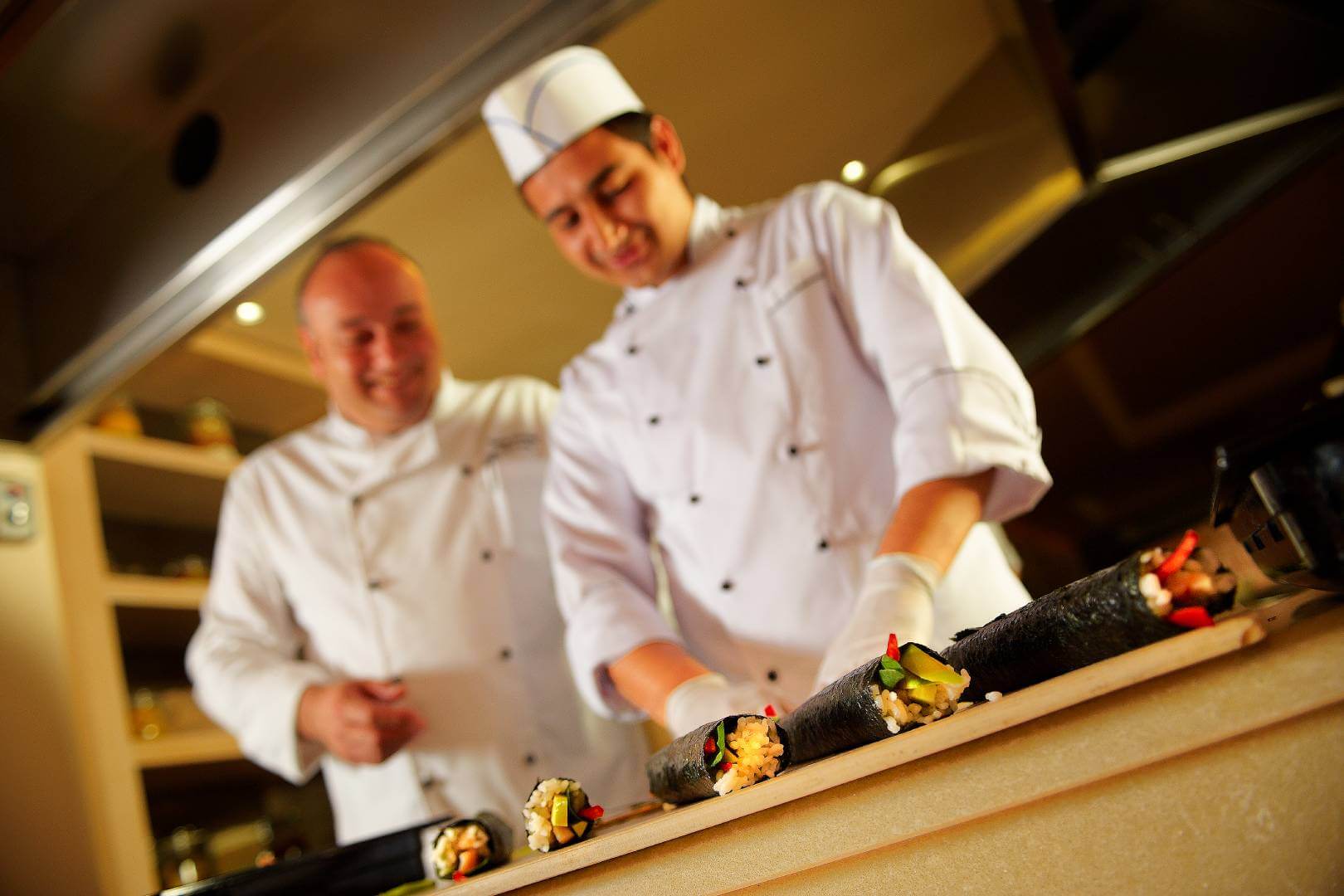
Gastronomic tourists today are not only drawn to the food they taste but also eager to learn about the history behind its production and the journey of raw ingredients from farm to table. Many are even keen to participate in the various stages of the production process. It’s essential to showcase all the individuals involved in this ecosystem—both directly and indirectly—emphasizing that everything is crafted with immense care, passion, and love. Through a series of images, we can tell the untold stories of everyday kitchen heroes, highlighting their dedication to creating dishes with heart and soul. Similarly, visitors’ experiences are enriched when they engage with the authentic, hands-on aspects of the gastronomic world—whether through visits to wineries, farms, or artisan producers. These visual narratives not only capture the essence of these places but also celebrate the authenticity and uniqueness of the entire gastronomic region.
Storytelling & Setups
The images I create for gastronomic projects are not just photographs—they are visual stories that illustrate the deep connection between the products, traditions, culture, customs, and unique landscapes of a destination. My visual storytelling elevates the travel experience, making culture, cuisine, and local products the true protagonists, crafting an immersive and unforgettable experience for the visitor.
My photographs go beyond simply capturing food; they tell compelling stories and evoke emotions, transforming a dish into an experience. In every project, I connect deeply with the essence of the culinary offerings, fostering emotional engagement that builds loyalty and encourages repeat visits. Each image I create reflects the corporate identity of my clients, ensuring a consistent and impactful brand message.
I believe that authentic imagery, woven into short stories of everyday life—such as how people engage with food and participate in related activities—is crucial for the promotion and marketing of a place or destination. Without this storytelling aspect, marketing efforts lose their power, ultimately diminishing their ability to attract visitors and leave a lasting impression.
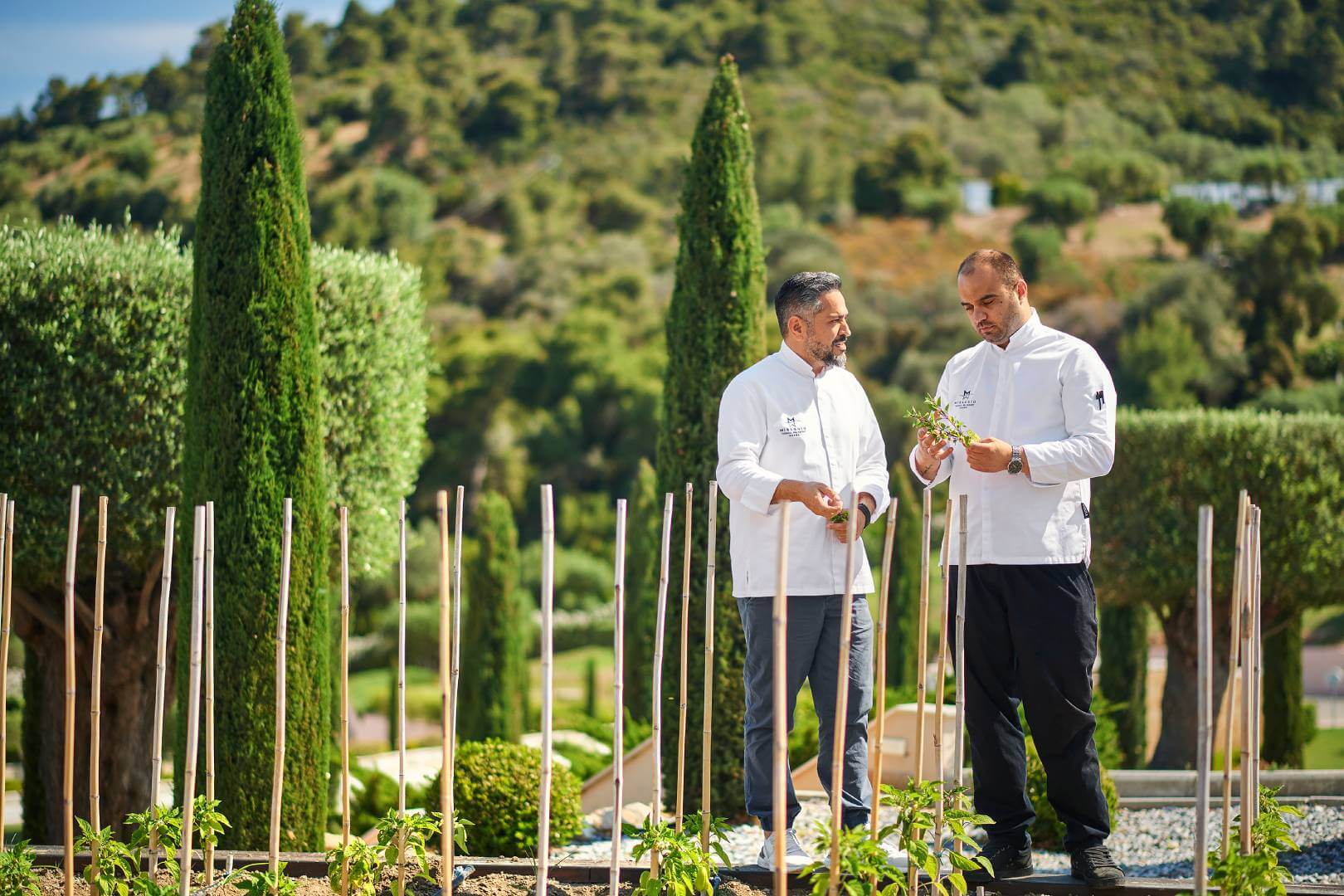
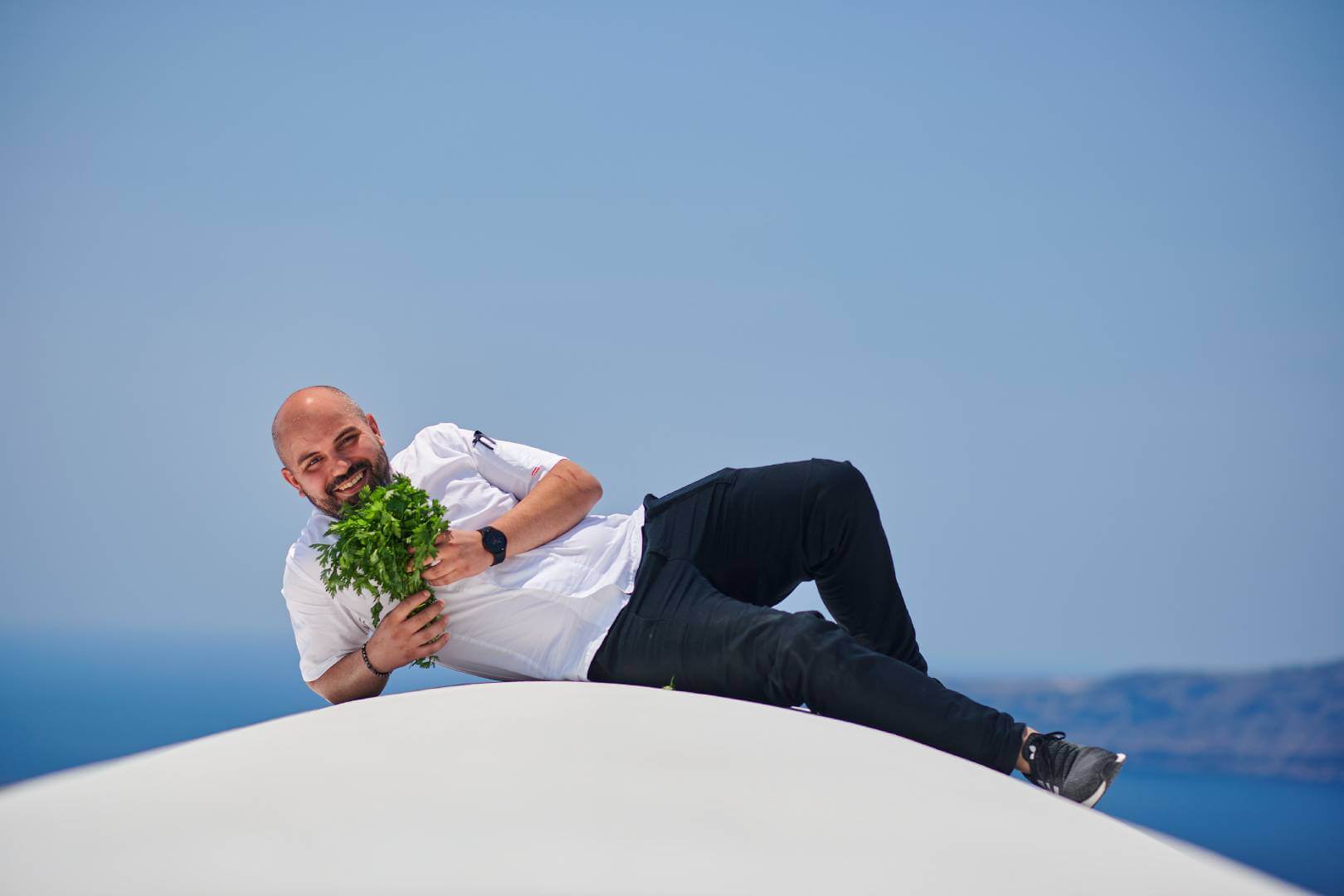
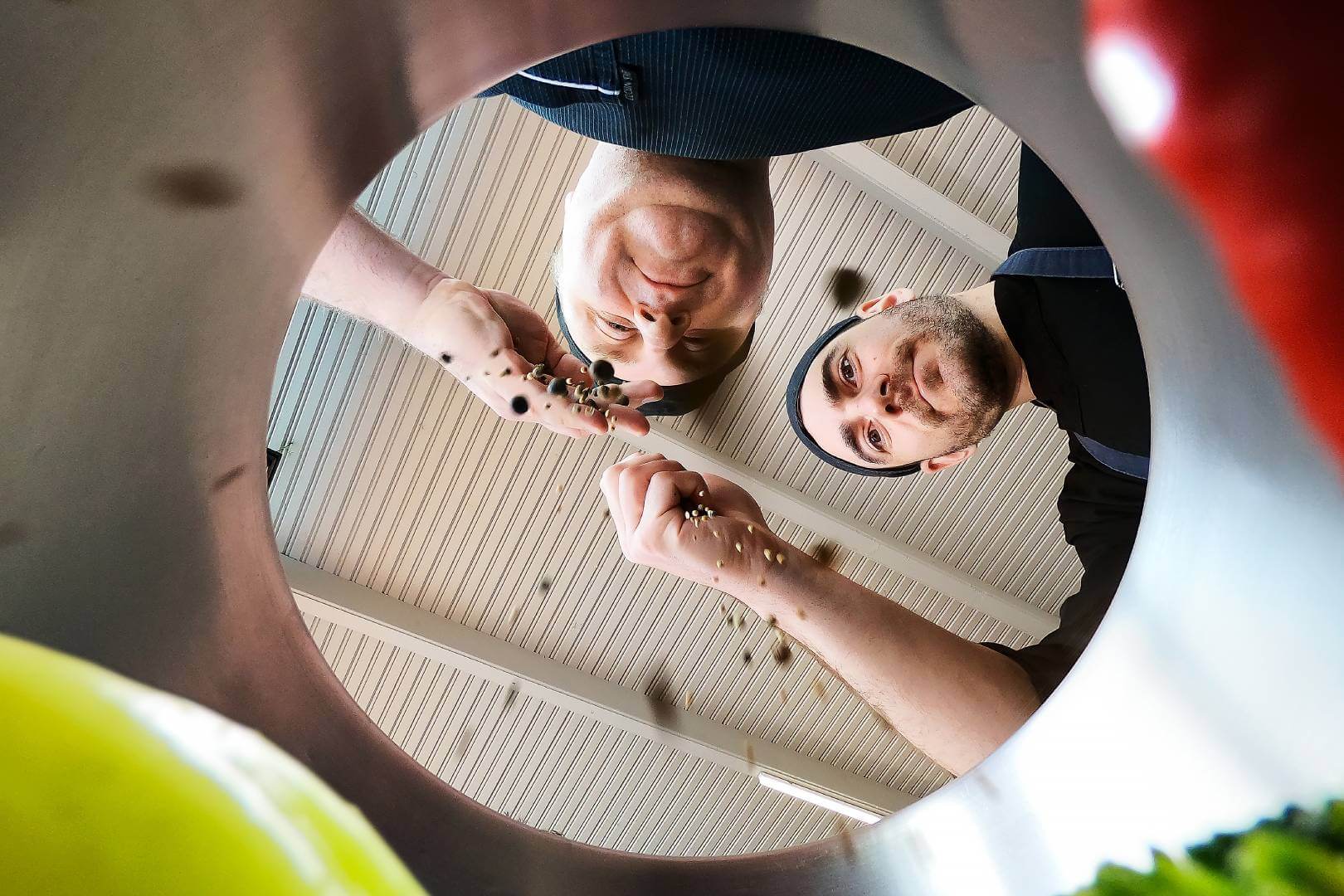
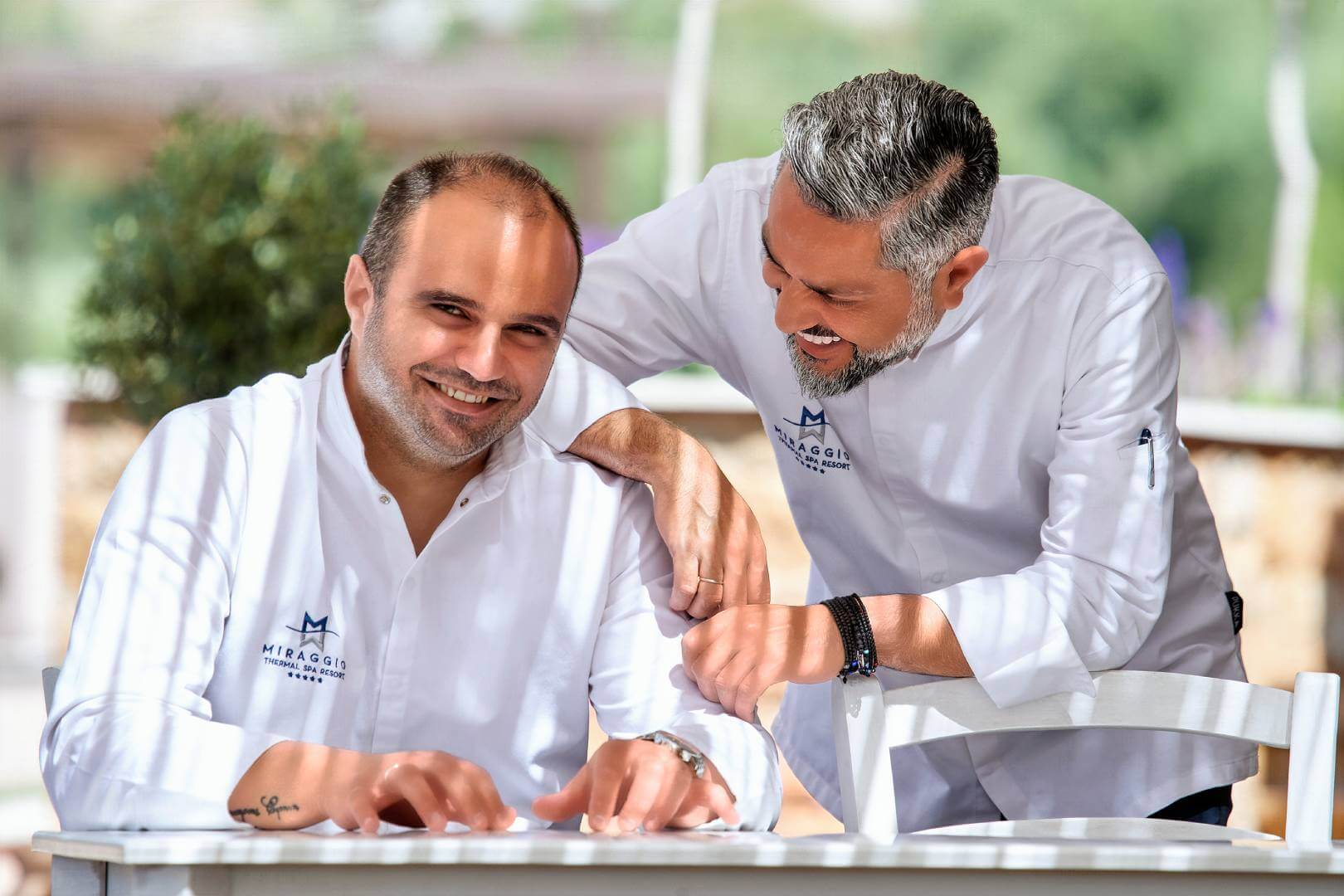
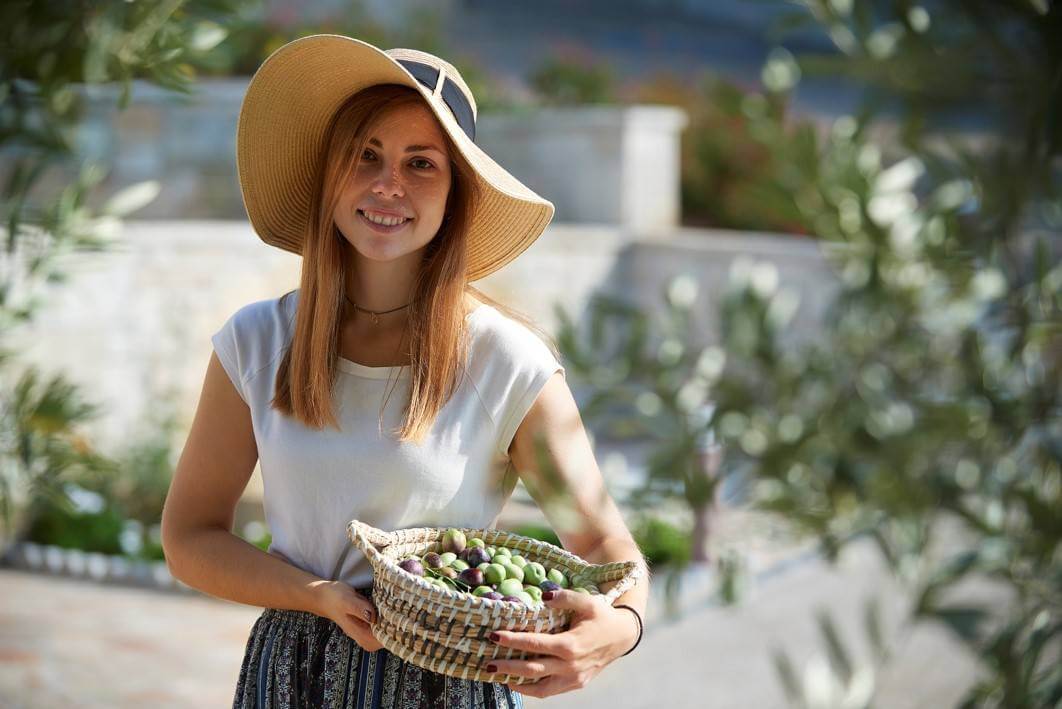
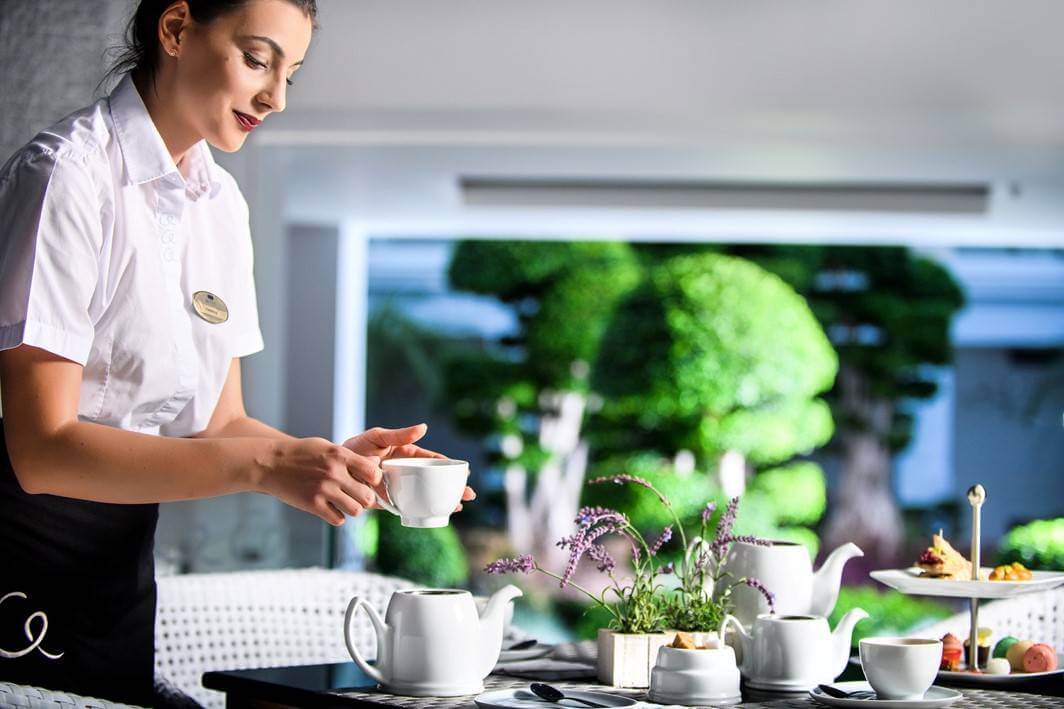
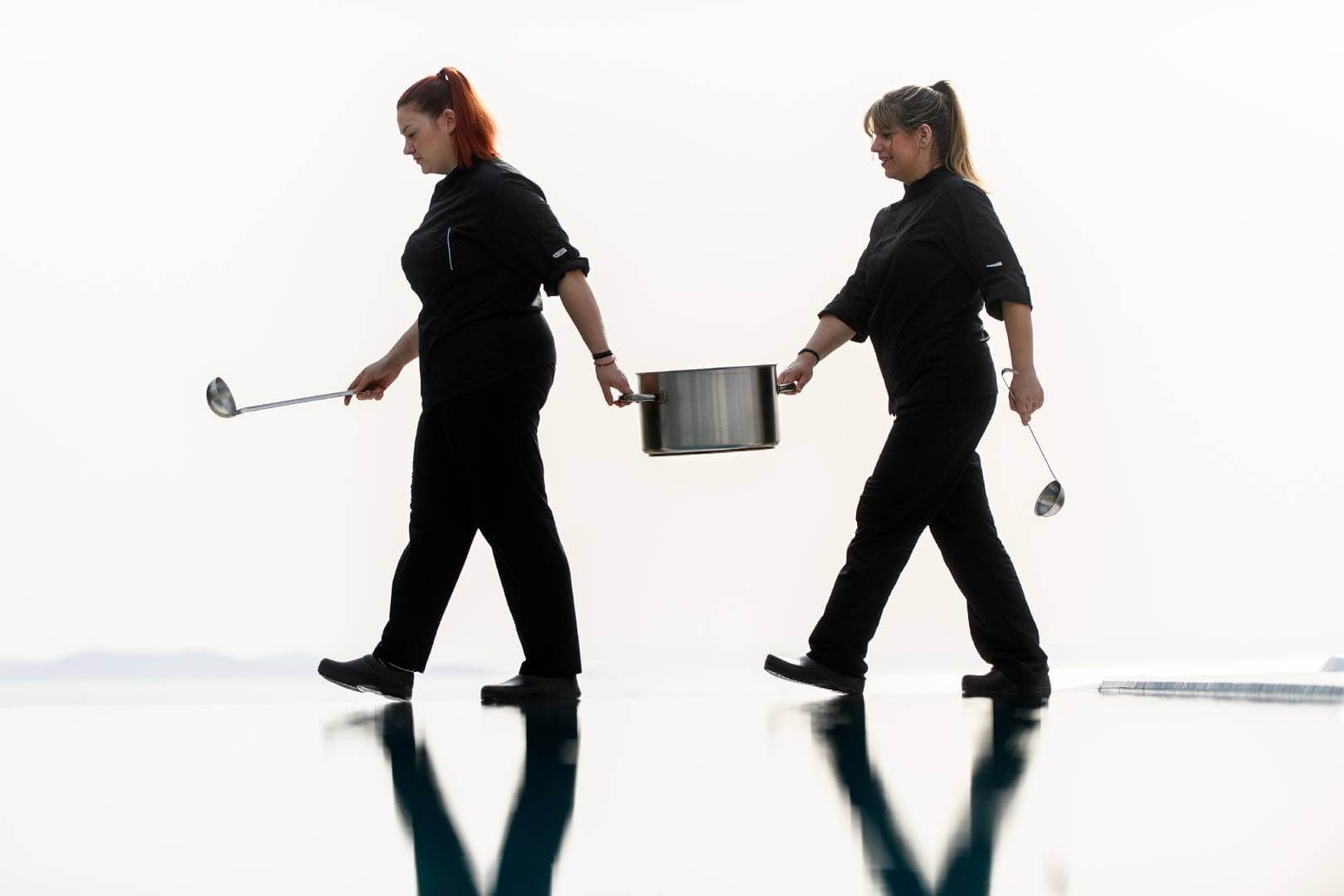
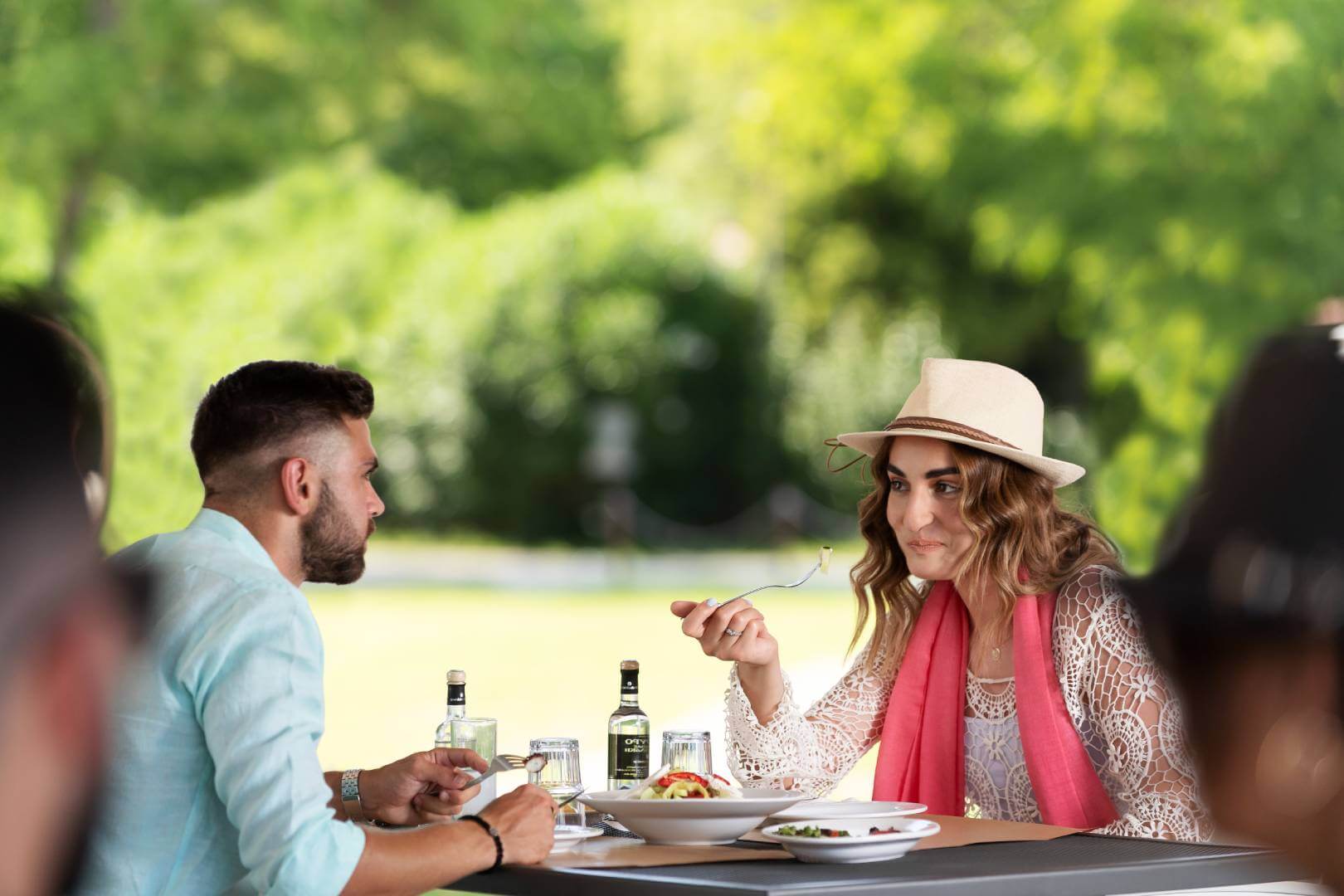
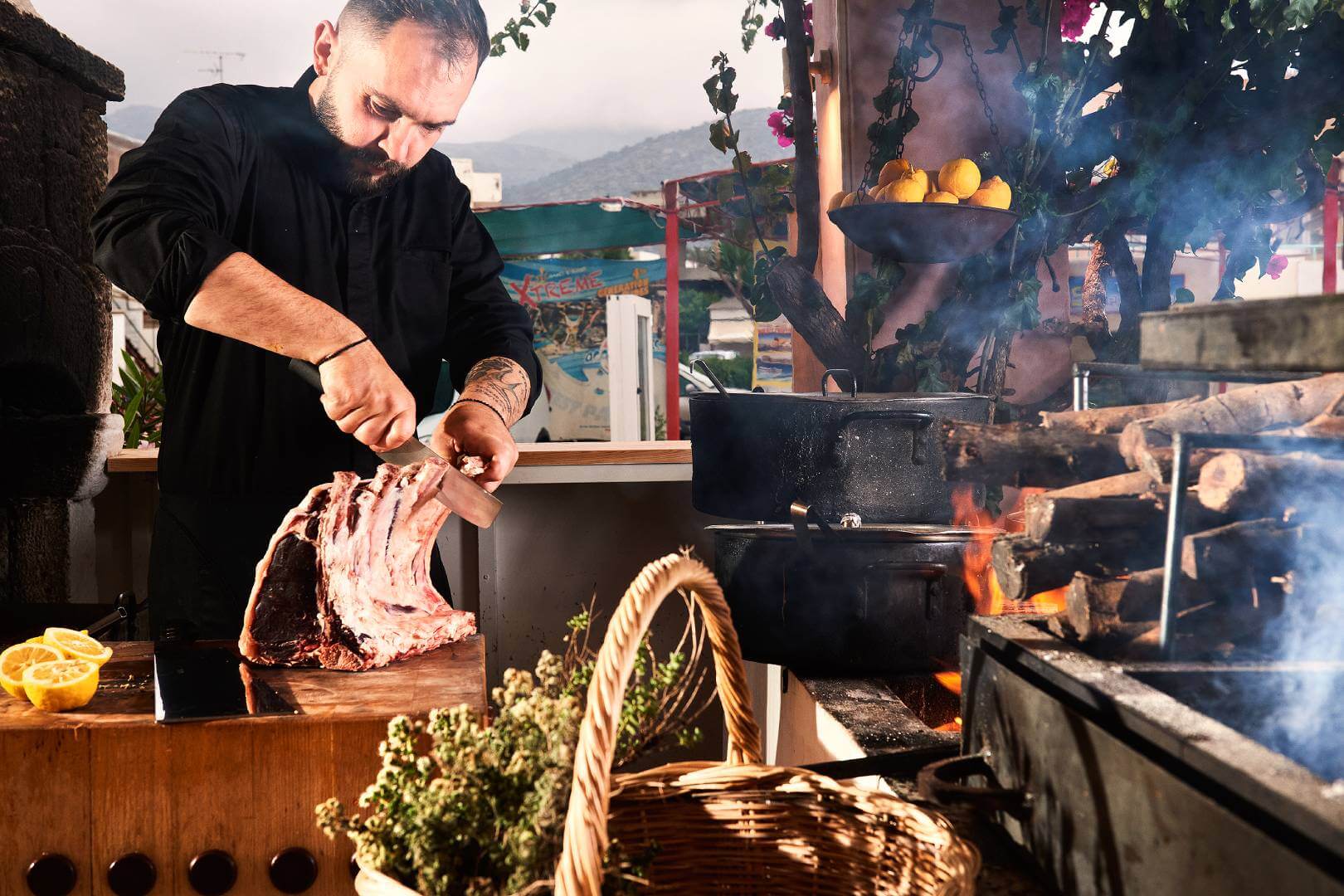
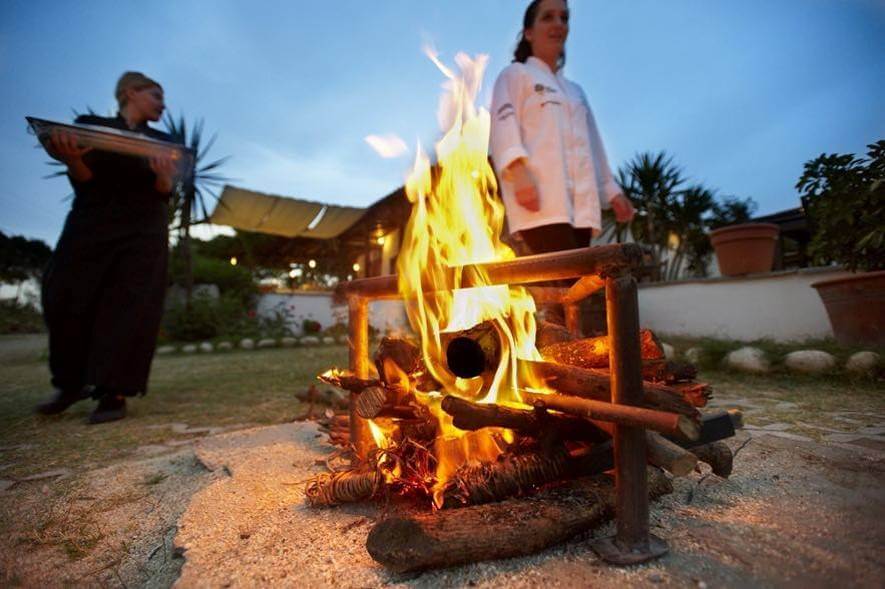
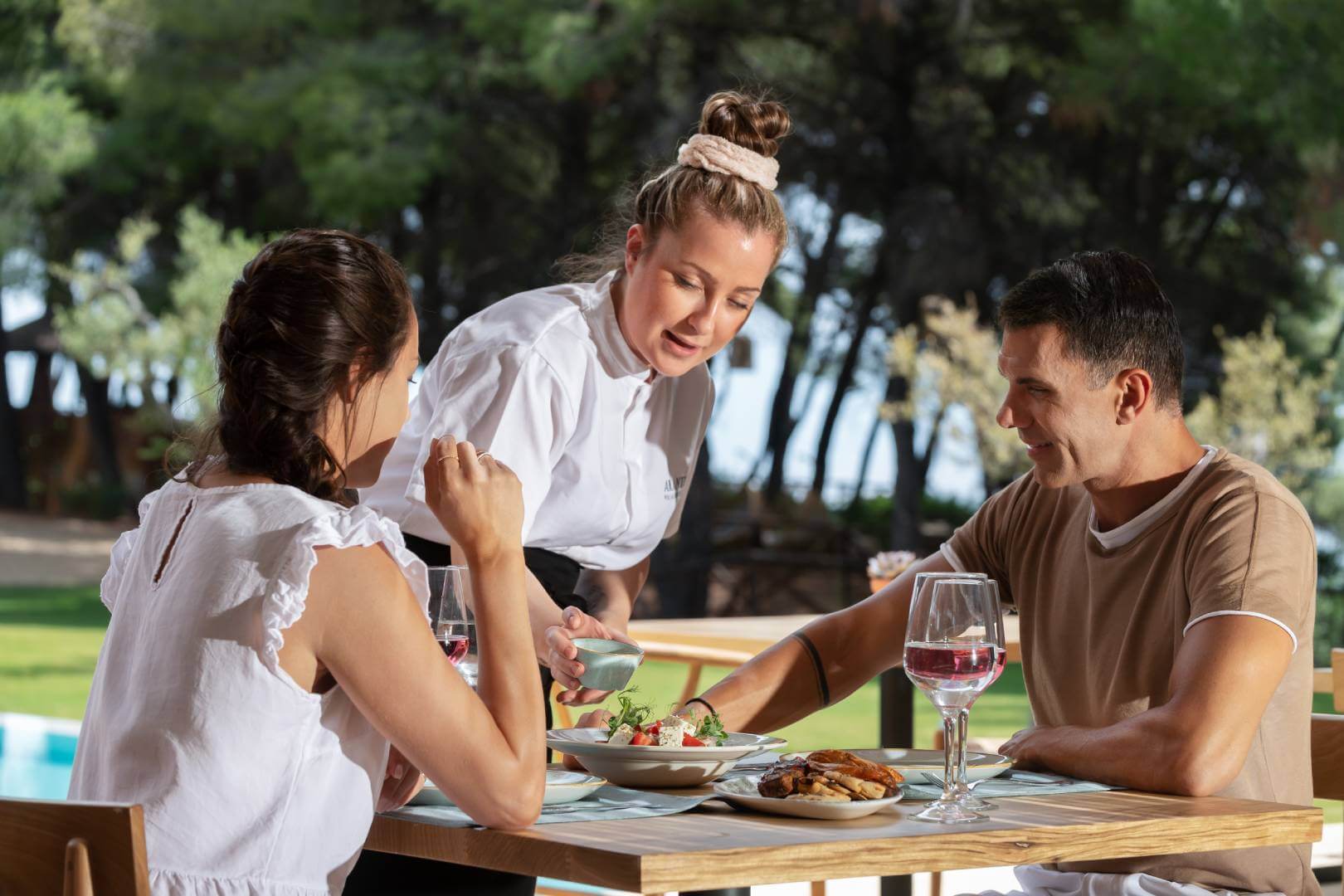
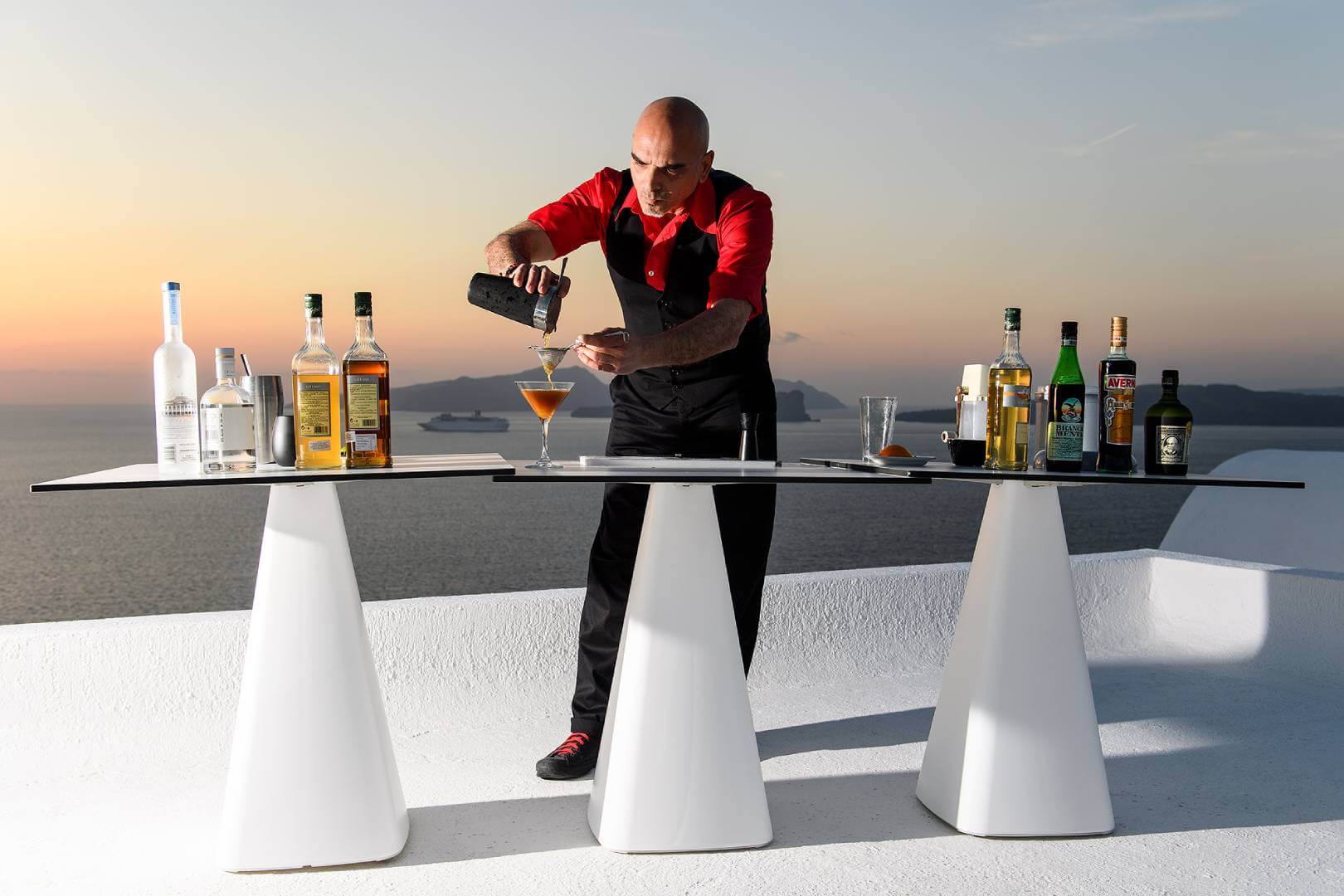
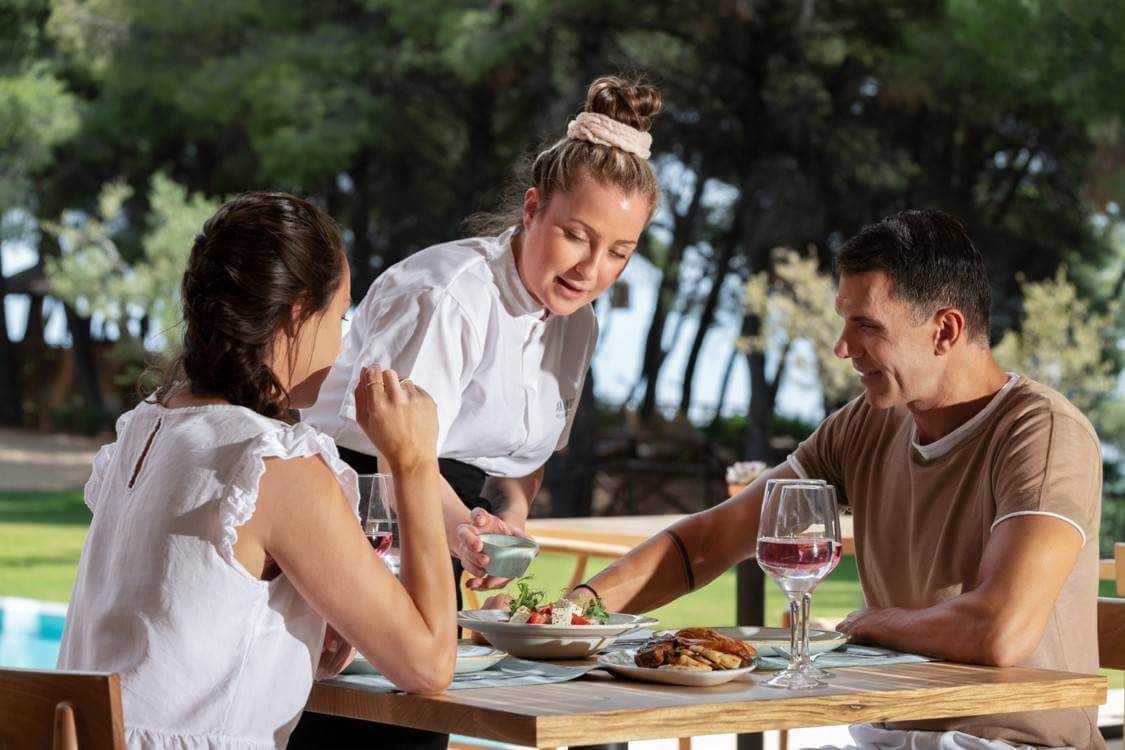
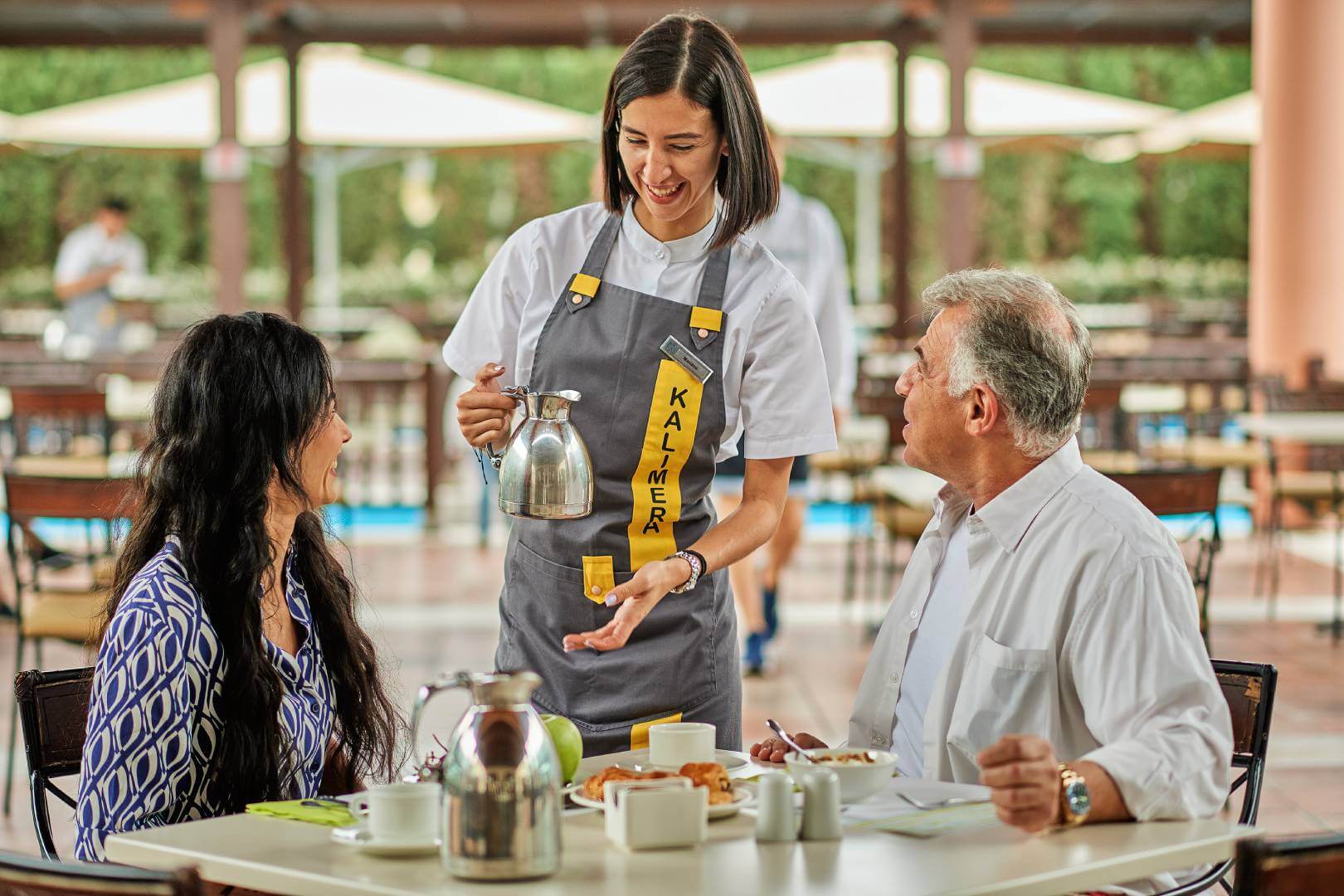
I create intimate theatrical setups that highlight the essence of a destination—its location, atmosphere, traditions, culture, and local cuisine. For me, a restaurant is a stage where the interaction between staff and guests becomes an integral part of the performance. My atmospheric photography captures the essence of these experiences, sparking curiosity and inviting visitors to explore the unique offerings of the place they’re about to discover.
Increasingly, my images are becoming a key element in the marketing strategies of tourist destinations. They go beyond the simple theme of “see what you’ll eat” to evoke the fuller experience: “see what, where, how, with whom, and how you’ll enjoy it.” In this context, my visuals serve as a backdrop that enhances rather than distracts, creating an immersive experience that resonates with the audience.
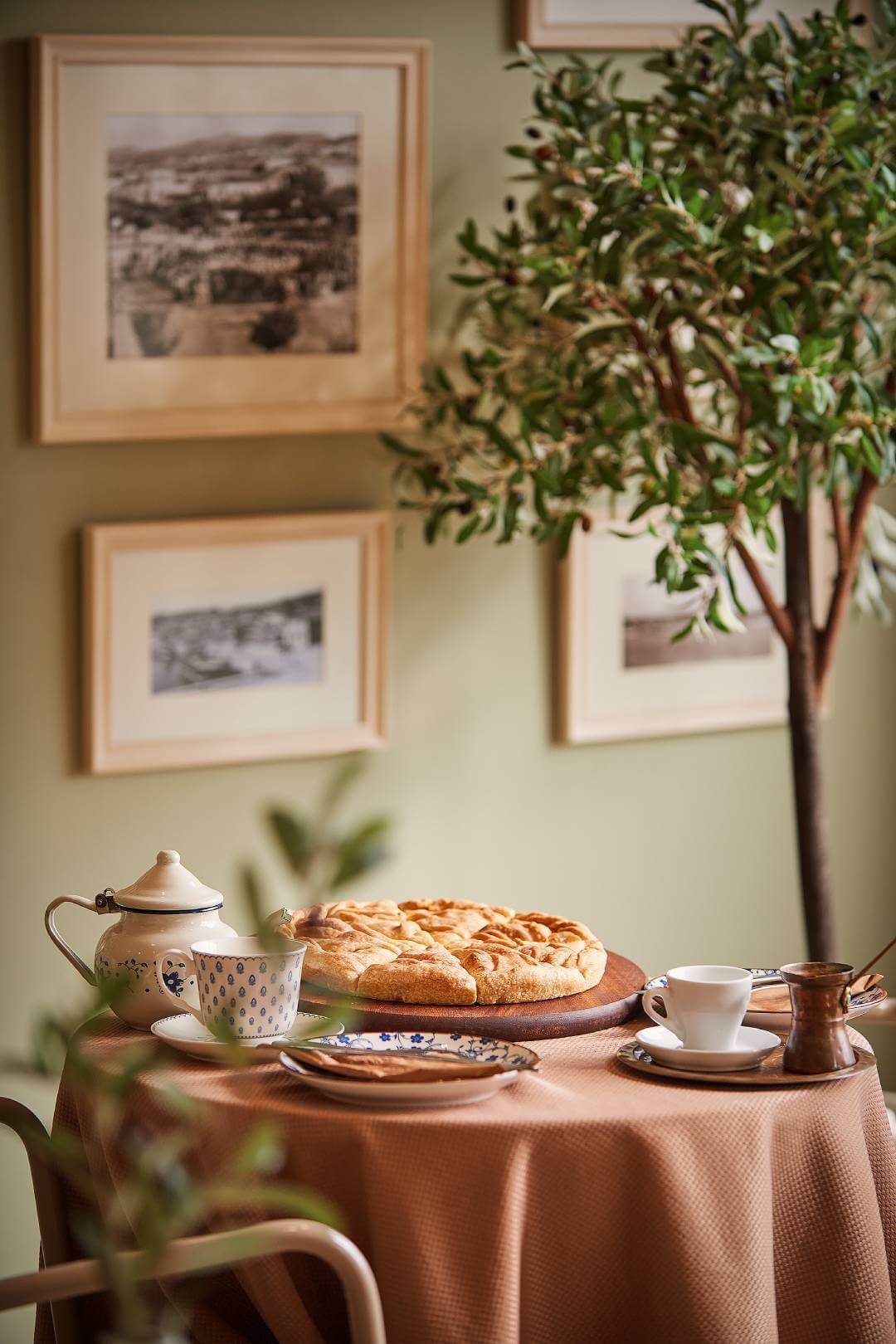
Food photography & closeups shots
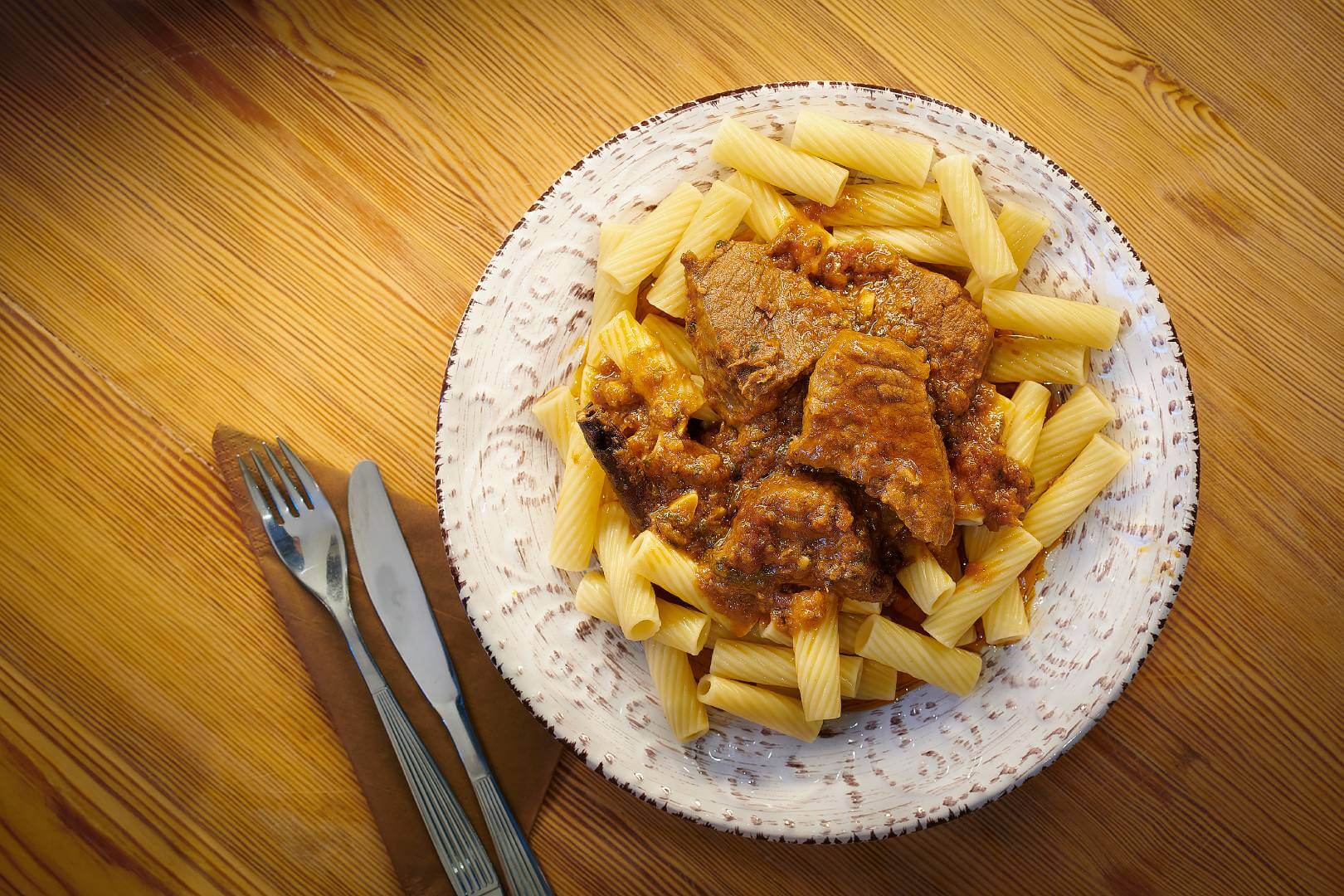
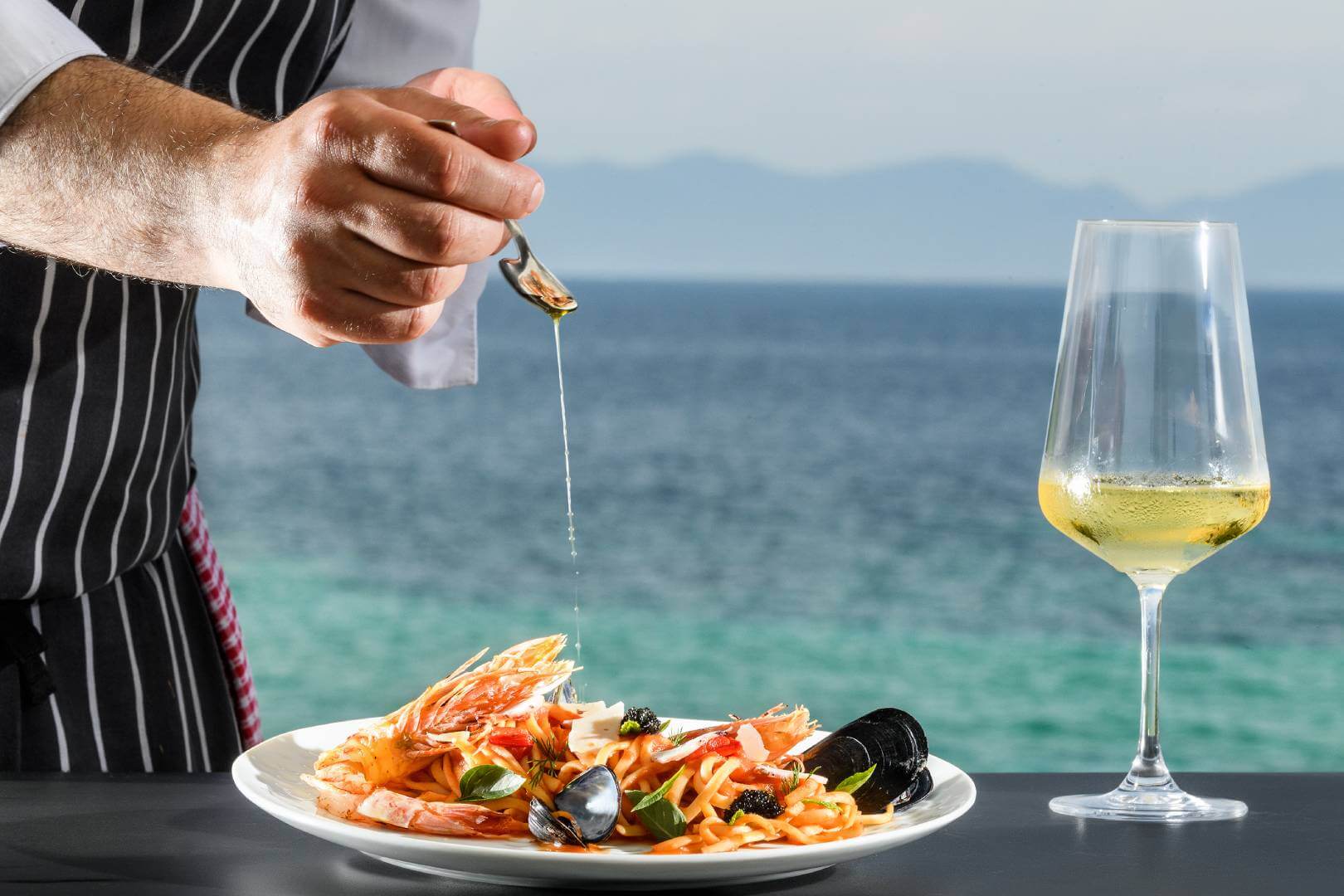
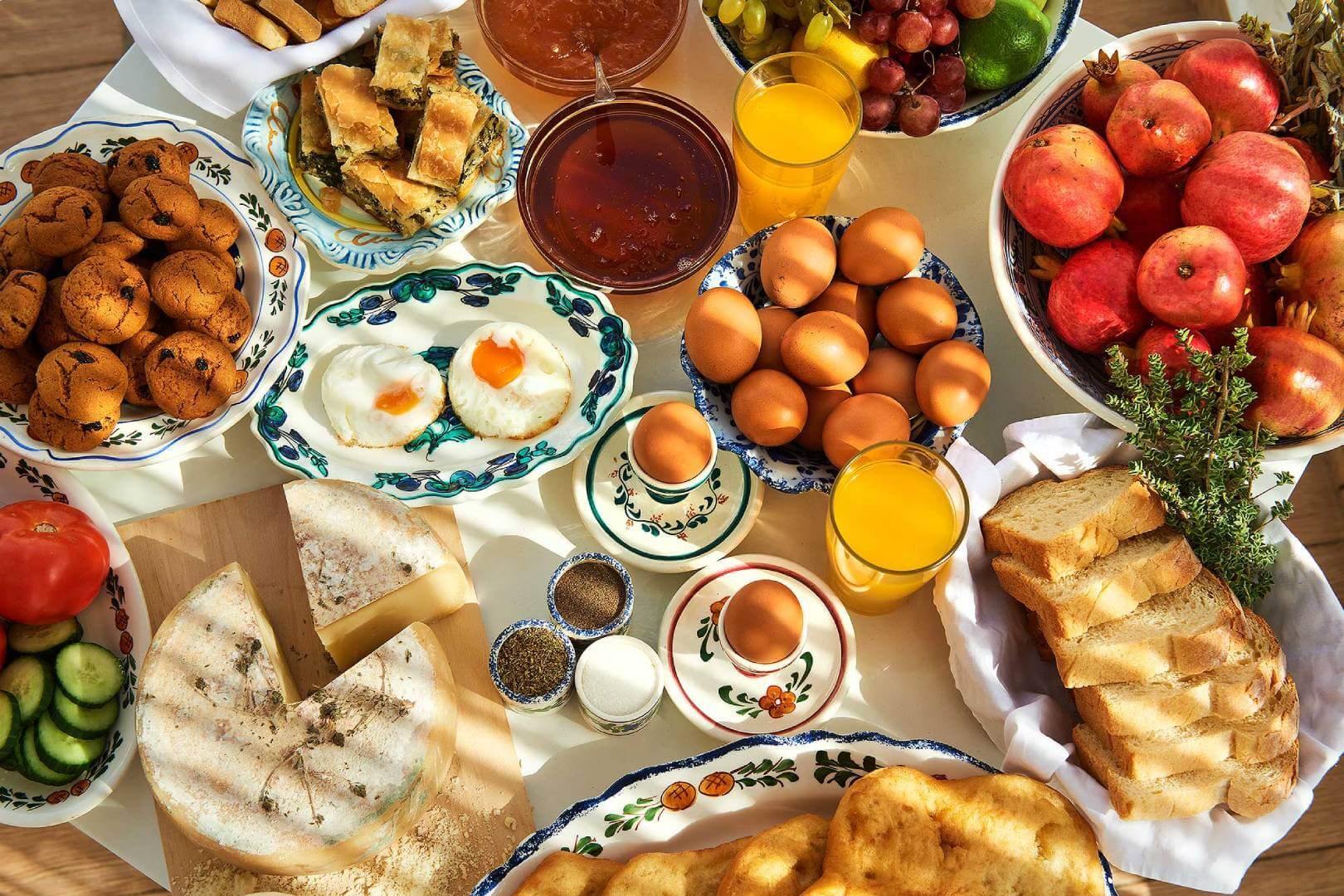
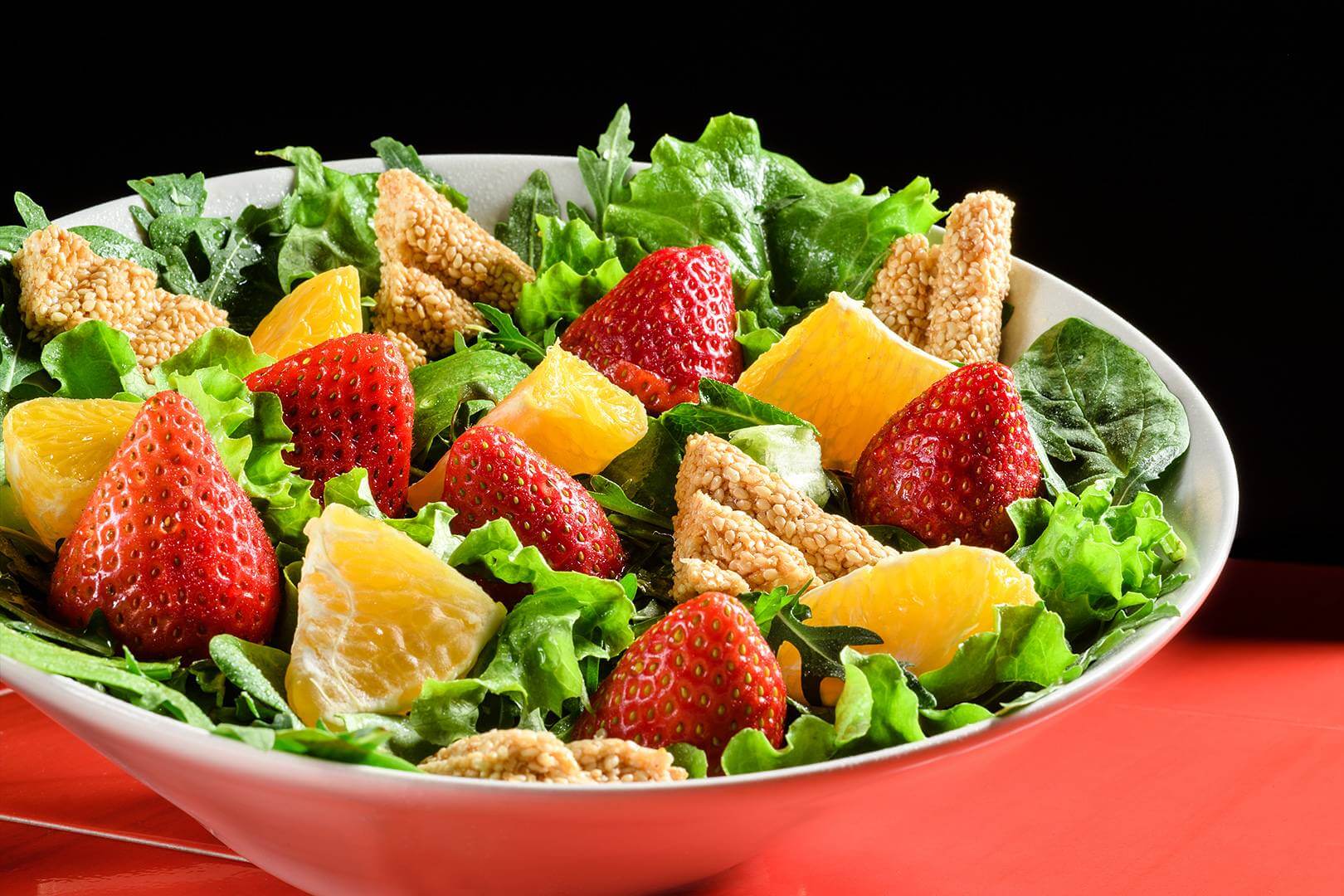
Gastronomy begins with the eyes, engaging all the senses—smell, sound, touch—and ultimately culminates in taste, much like the process of a bee collecting nectar. Color combinations play a crucial role in heightening sensory perception and drawing attention. Food, too, has its own intrinsic photogenic qualities that allow it to shine in front of the lens. However, not all dishes are created equal in this regard. While pasta, fish, and moussaka often present visually striking compositions, others, like lentils, gyros, or fava beans, tend to be less photogenic.
To address this, I adapt my photographic approach based on the food’s visual appeal. When working with less photogenic dishes, I have two main strategies:
- Anthropocentric Images
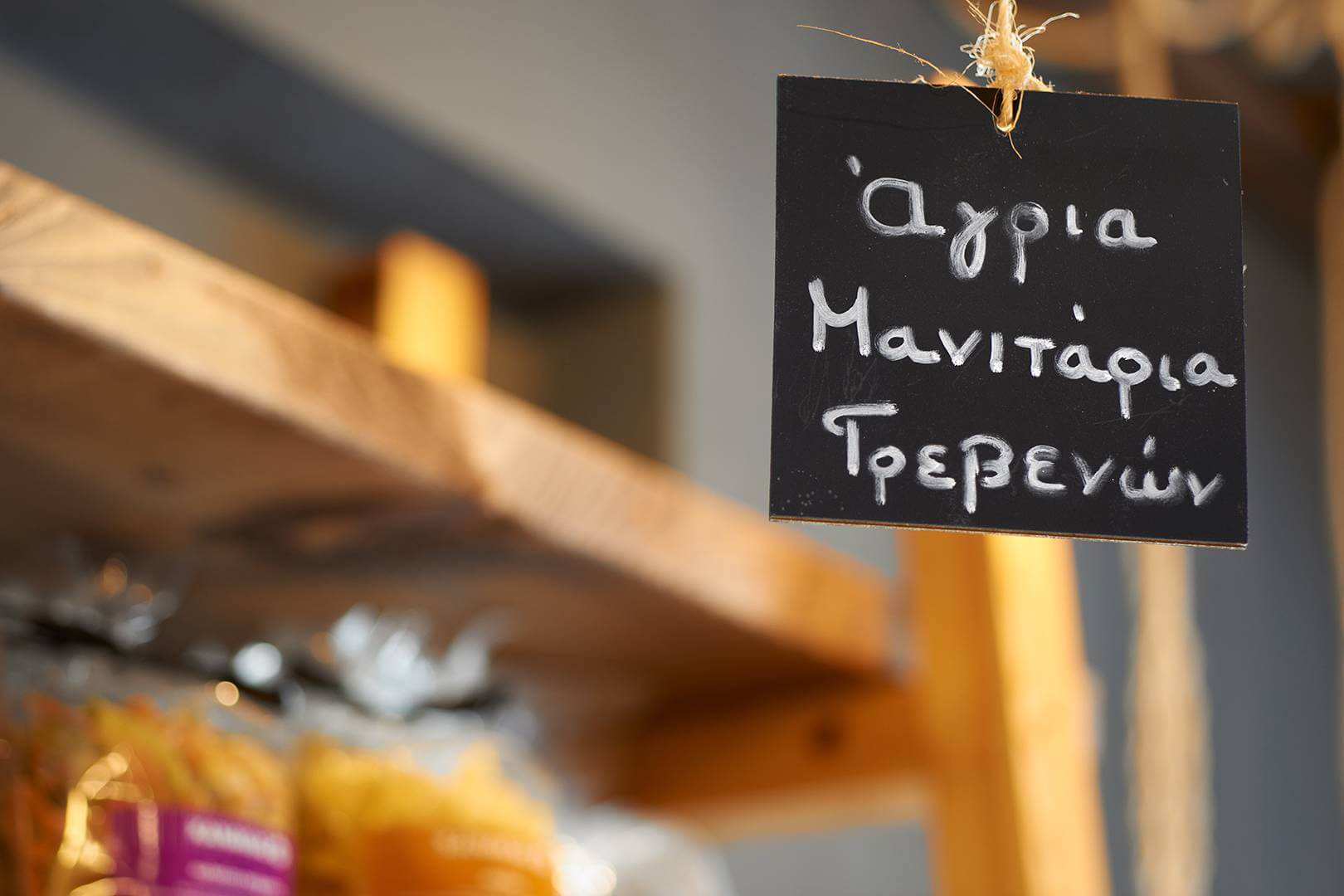
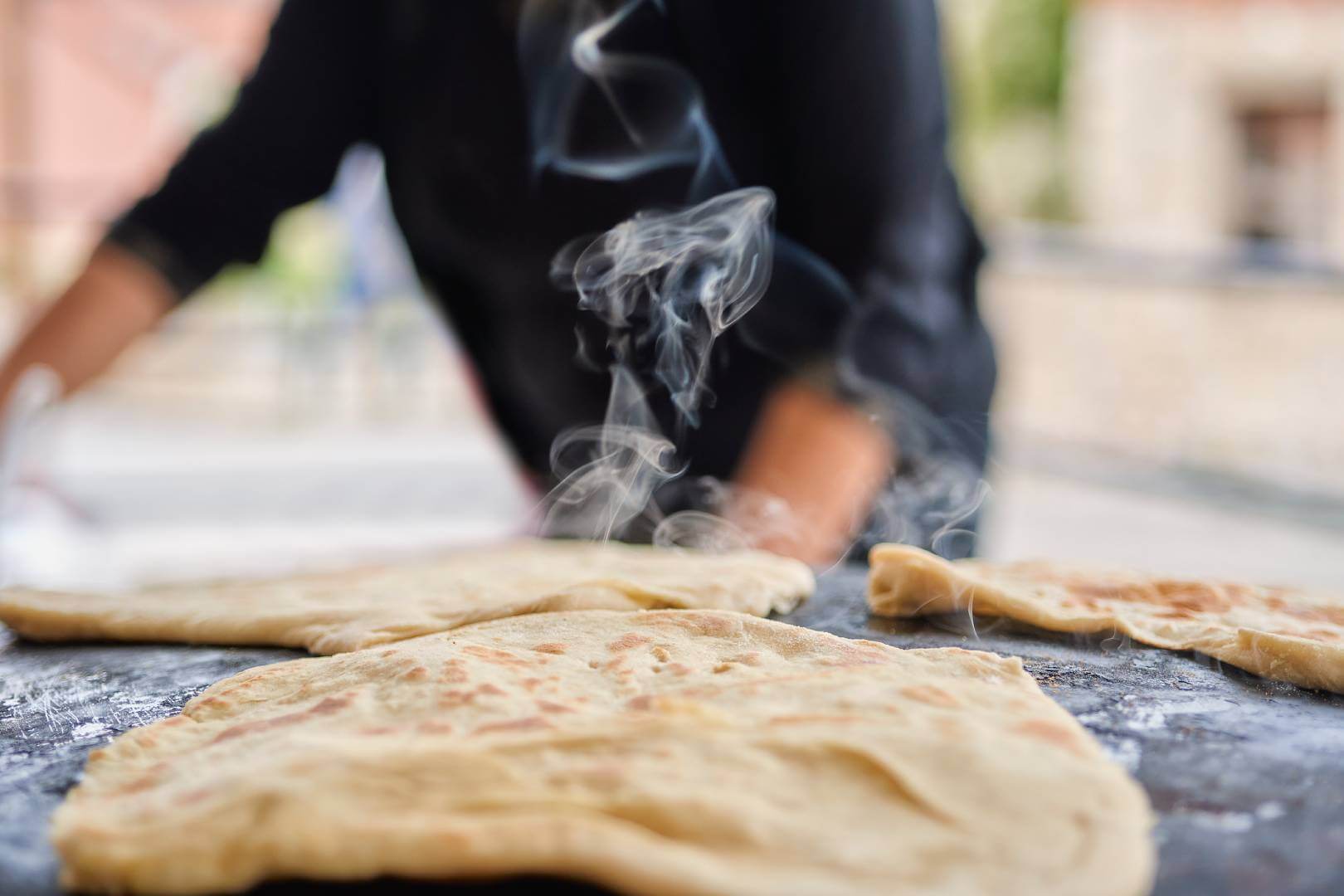
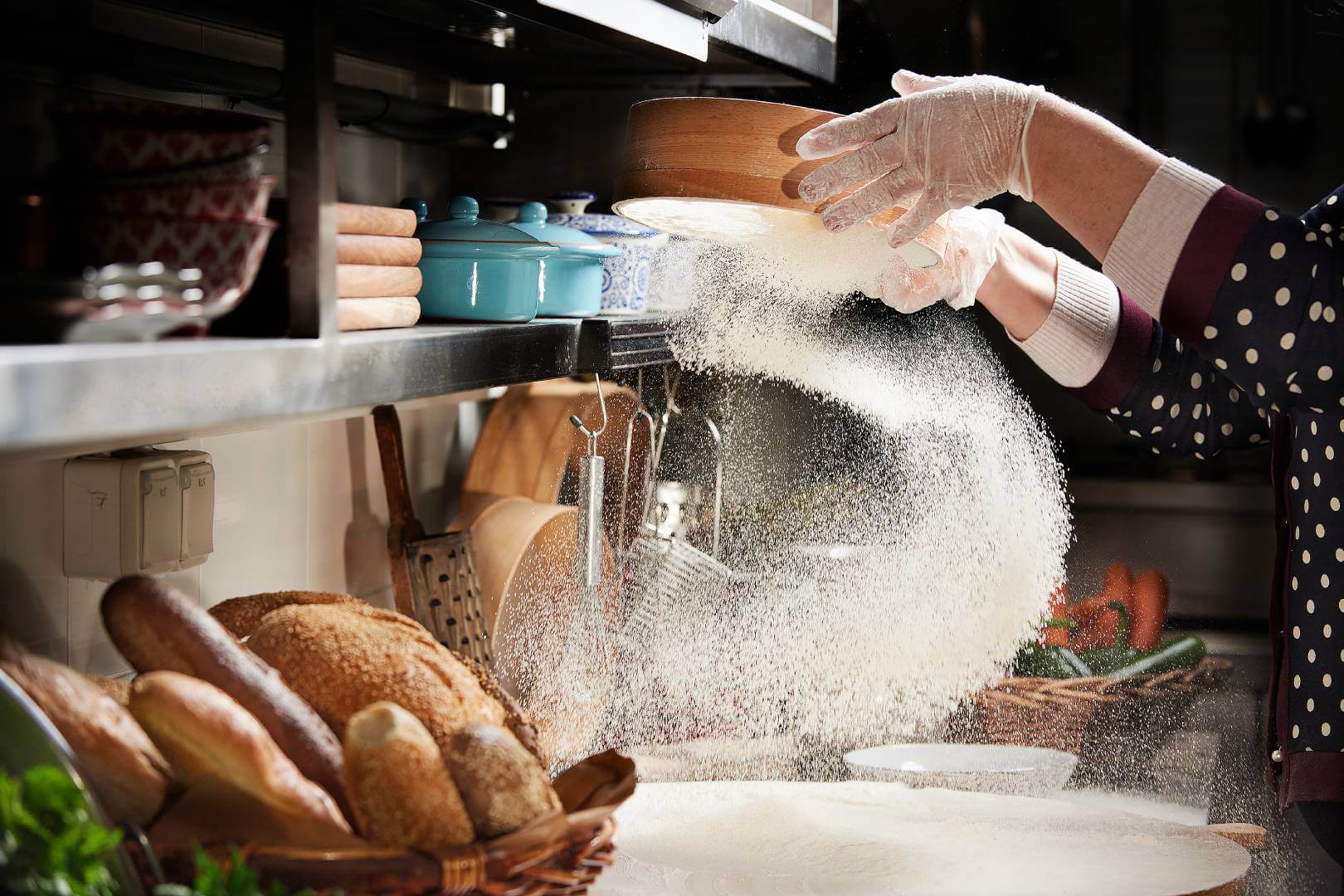
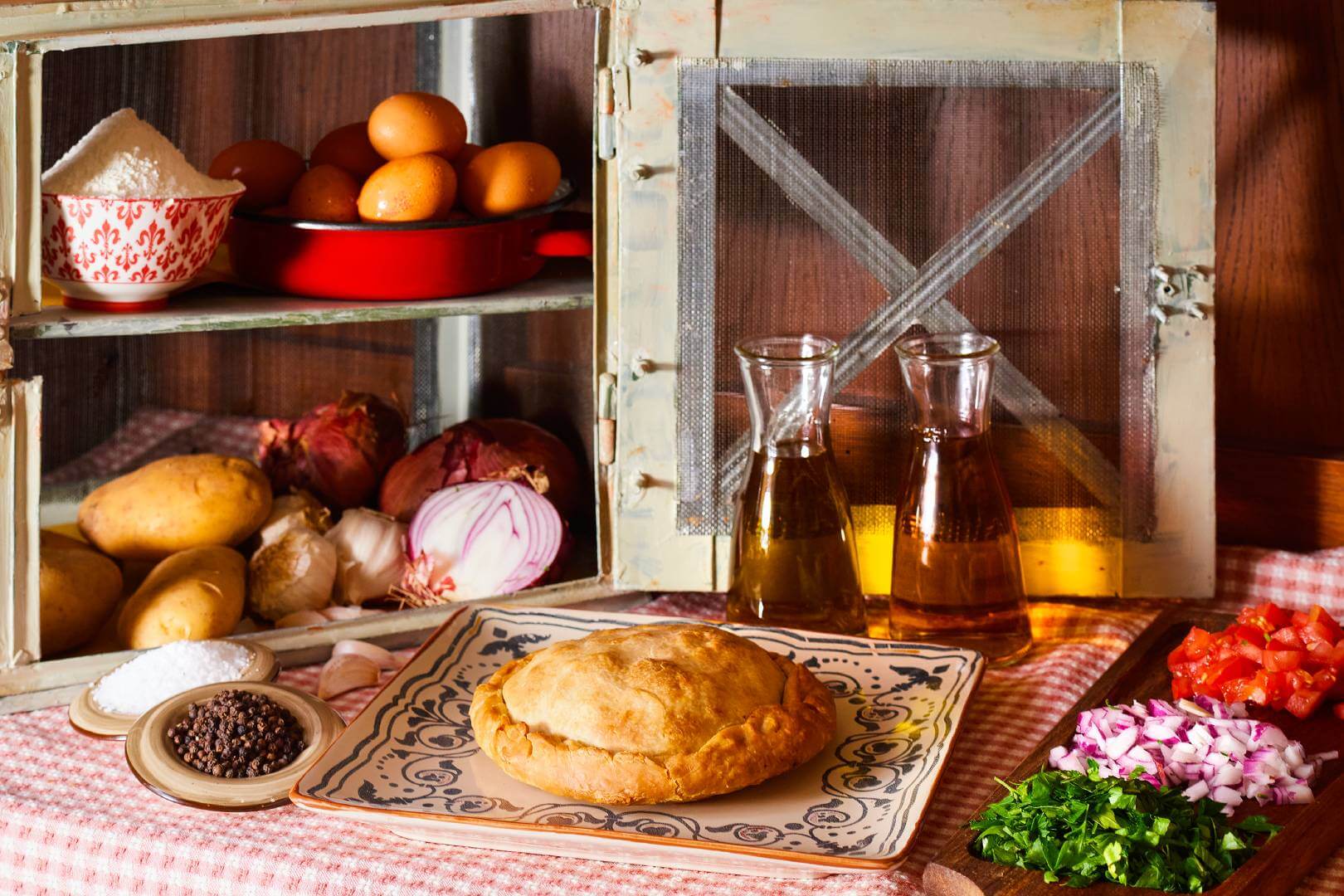
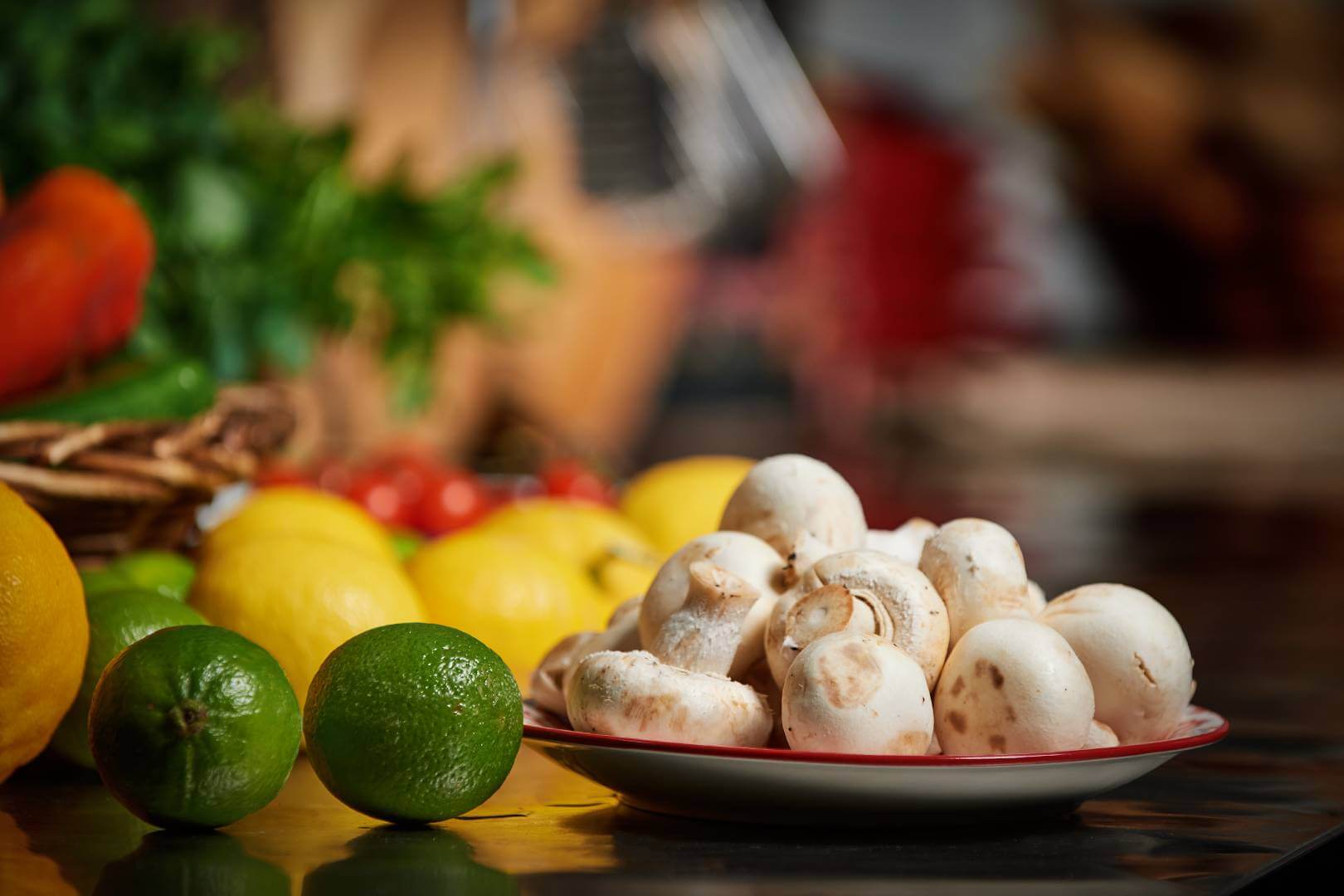
- Images of Raw Ingredients in Preparation
Each technique allows me to highlight the essence of the food, whether through its cultural context or the craftsmanship involved in its preparation, ensuring that even the most humble dishes are presented in their best light.
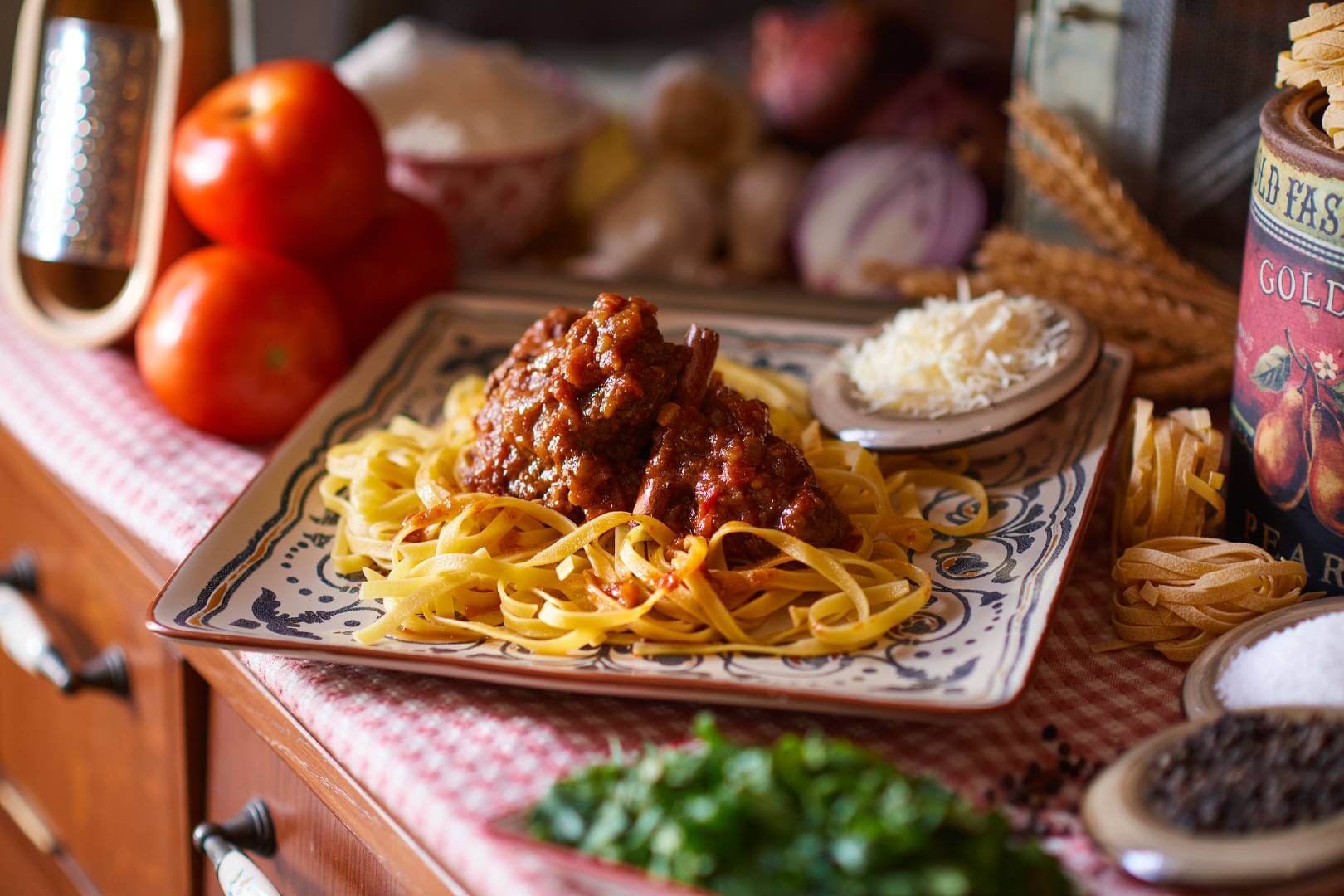
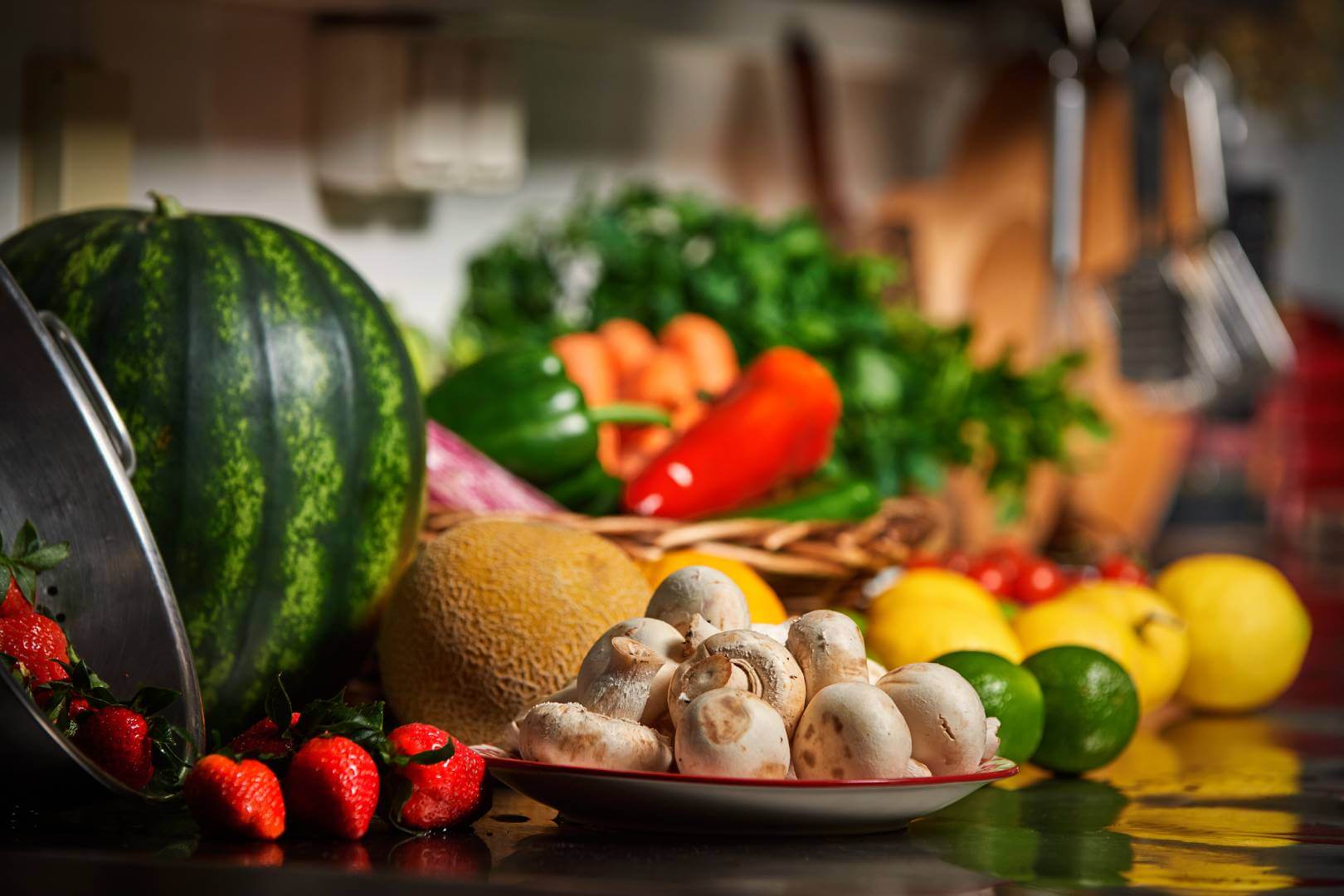
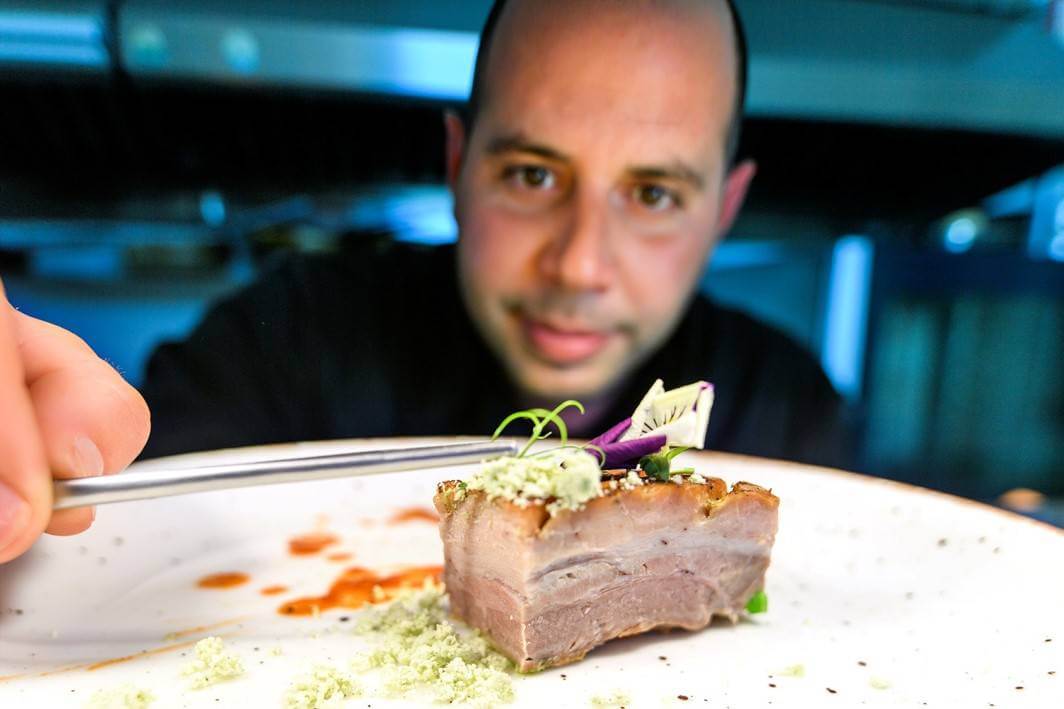
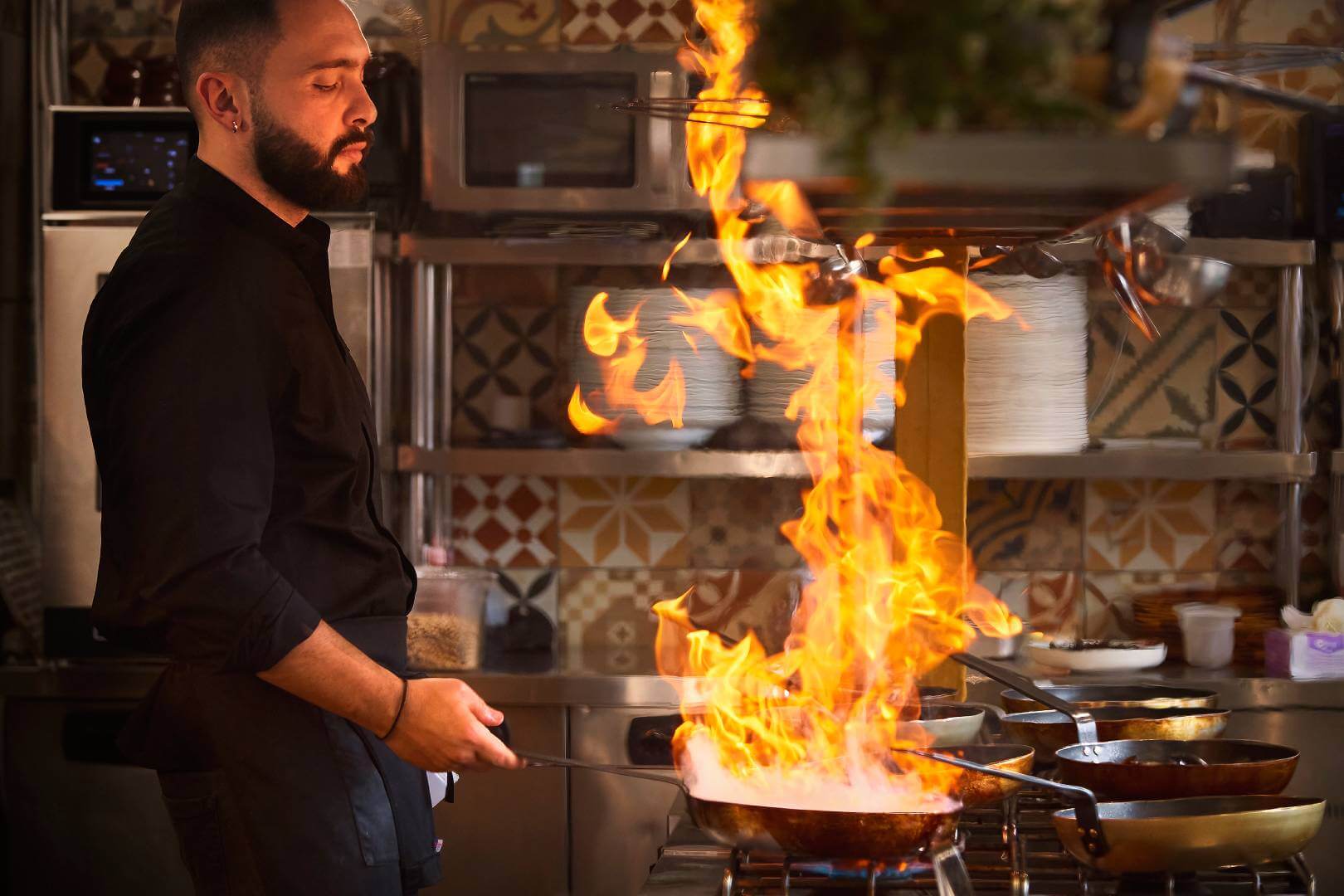
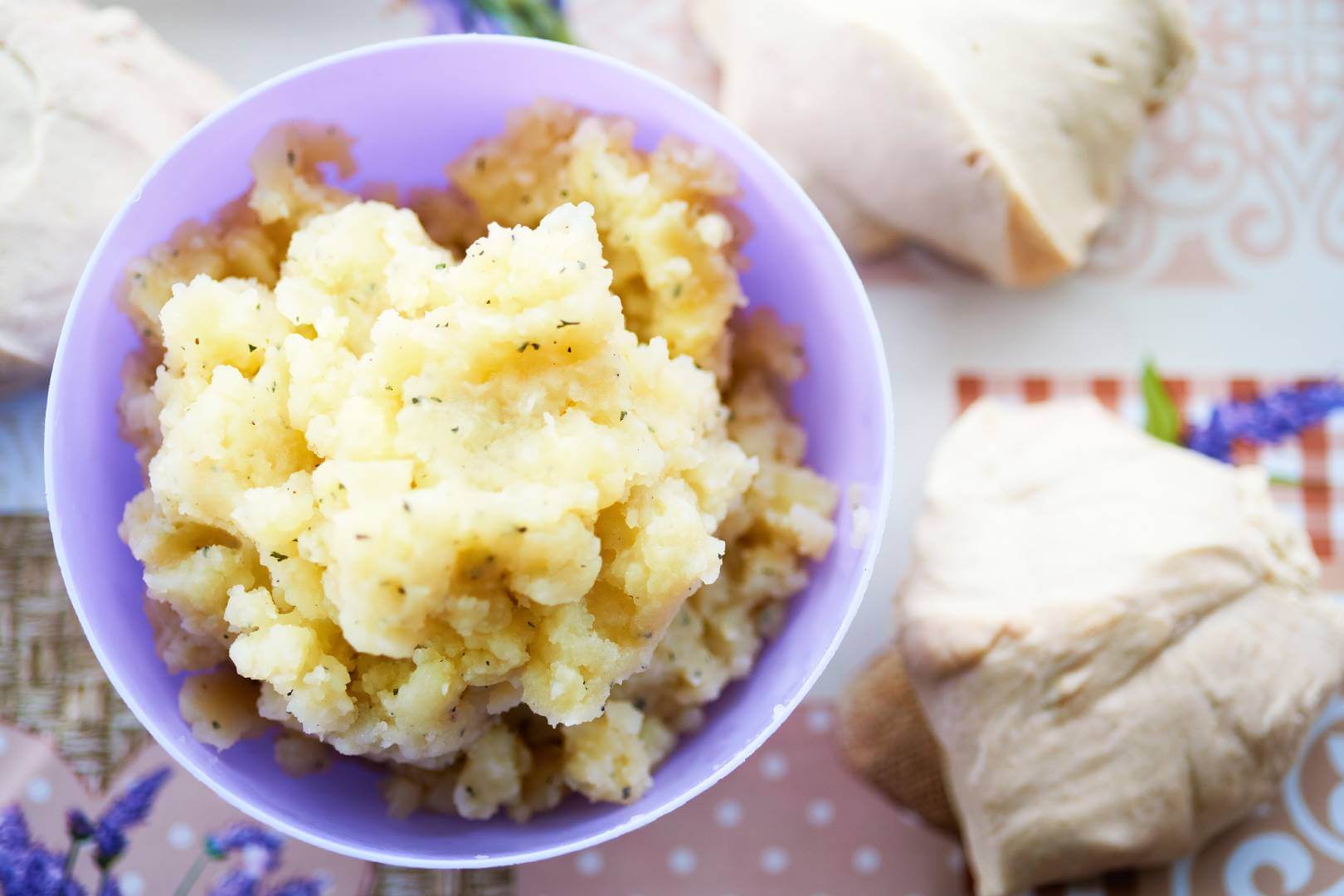
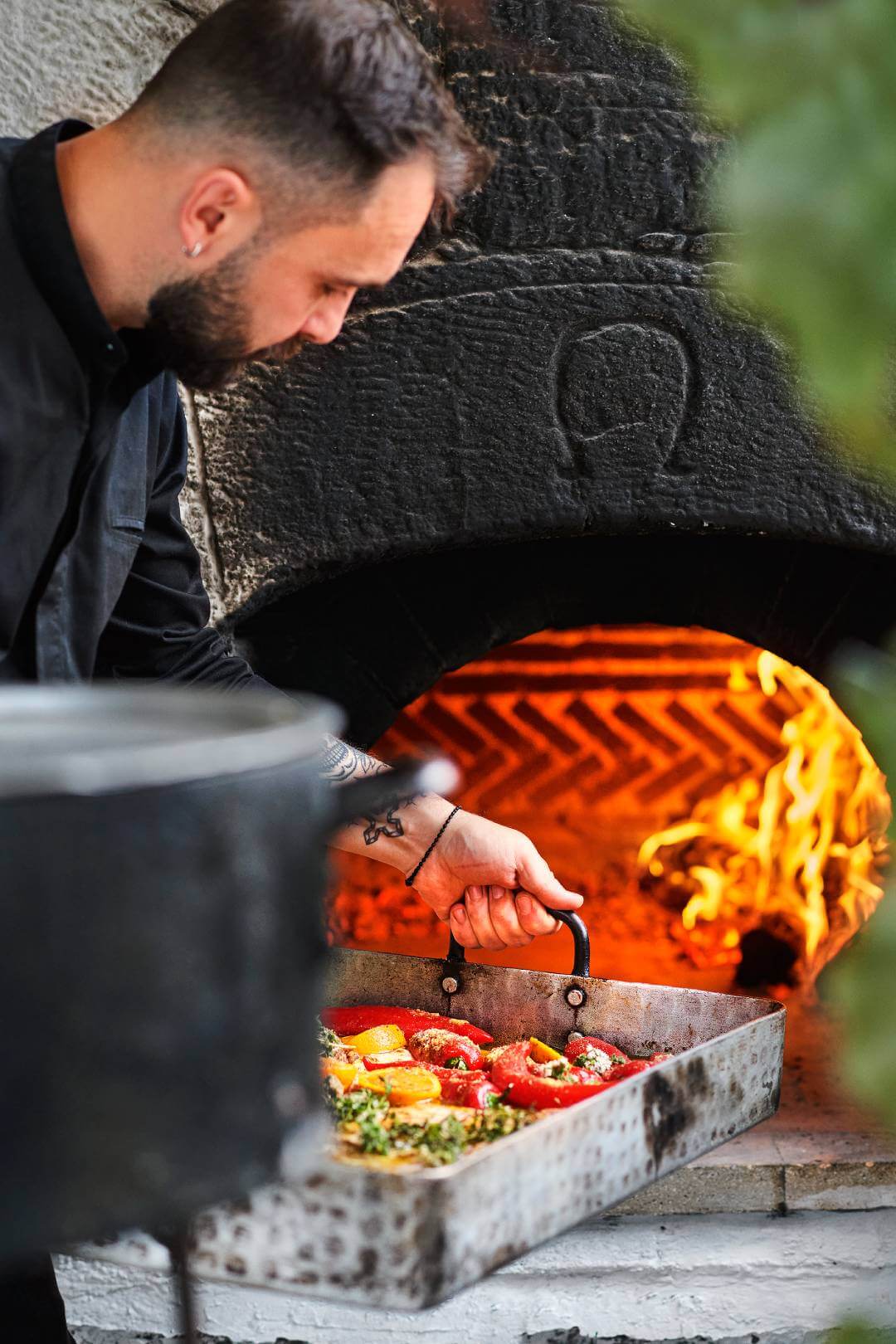
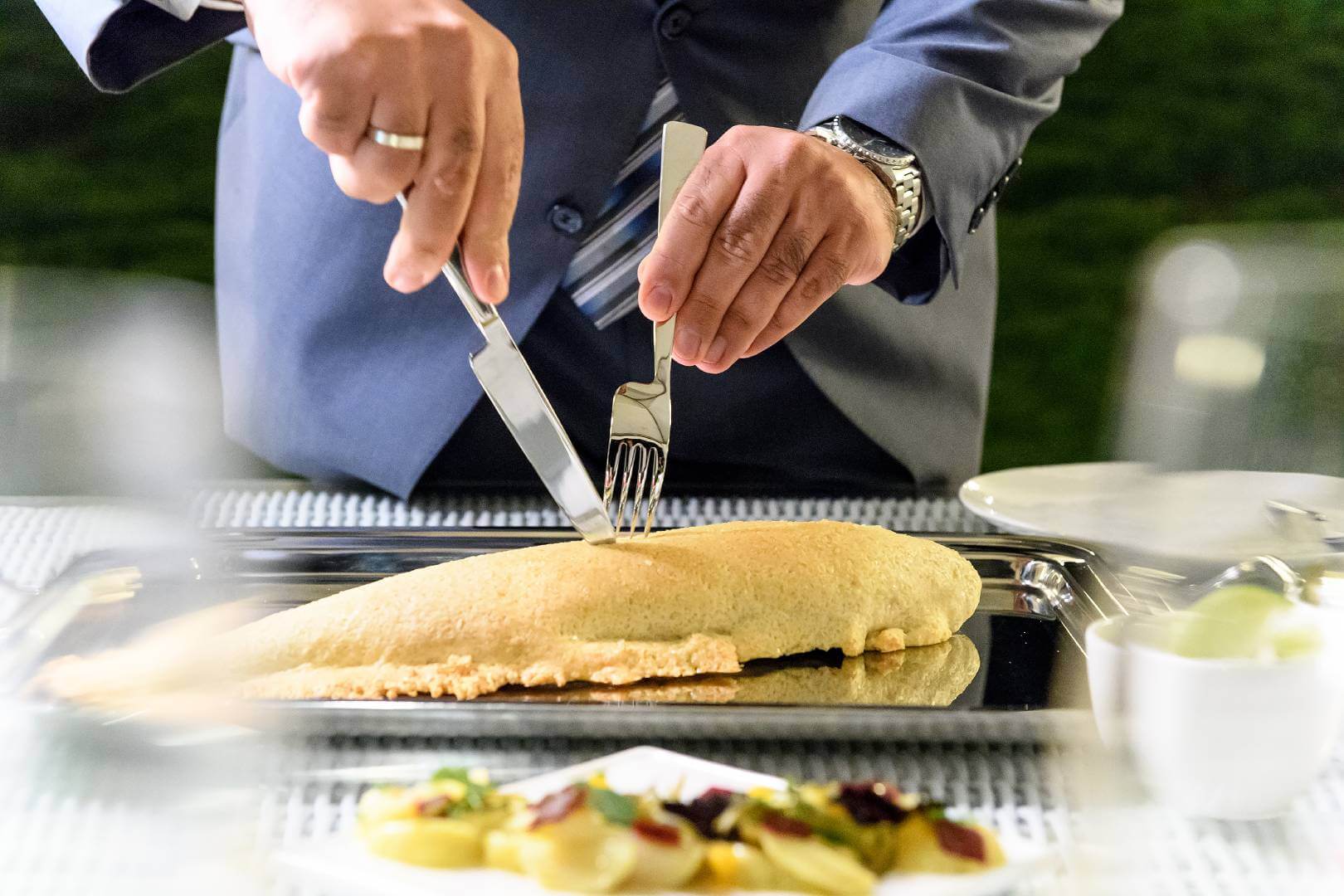
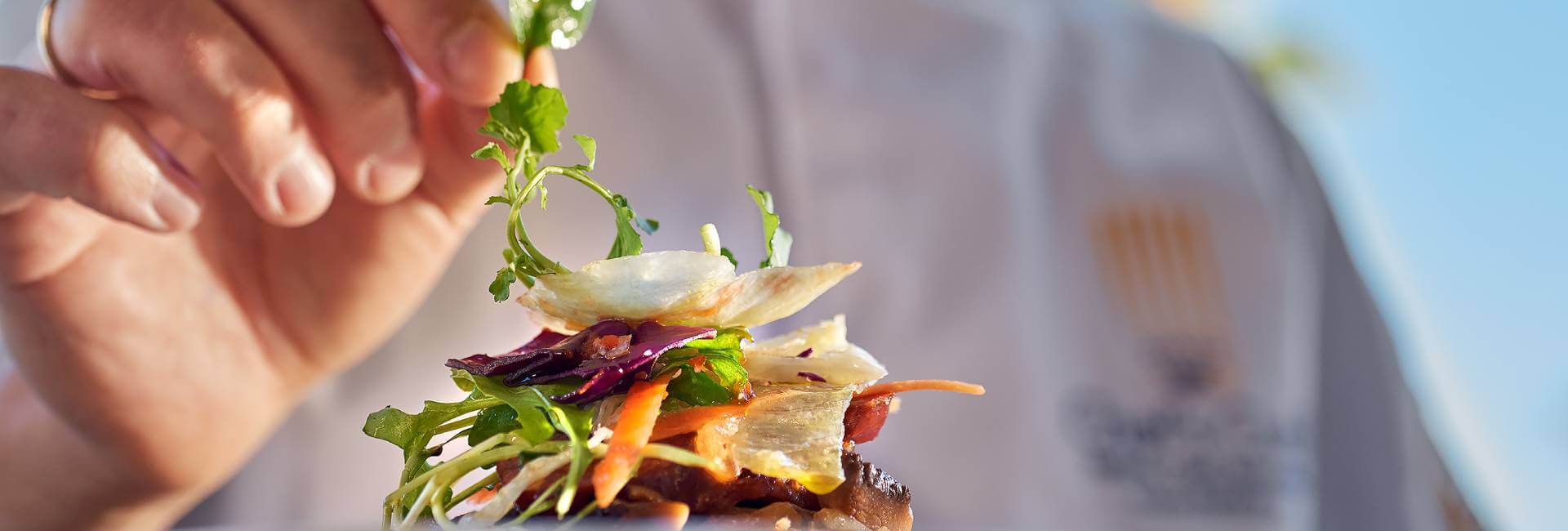
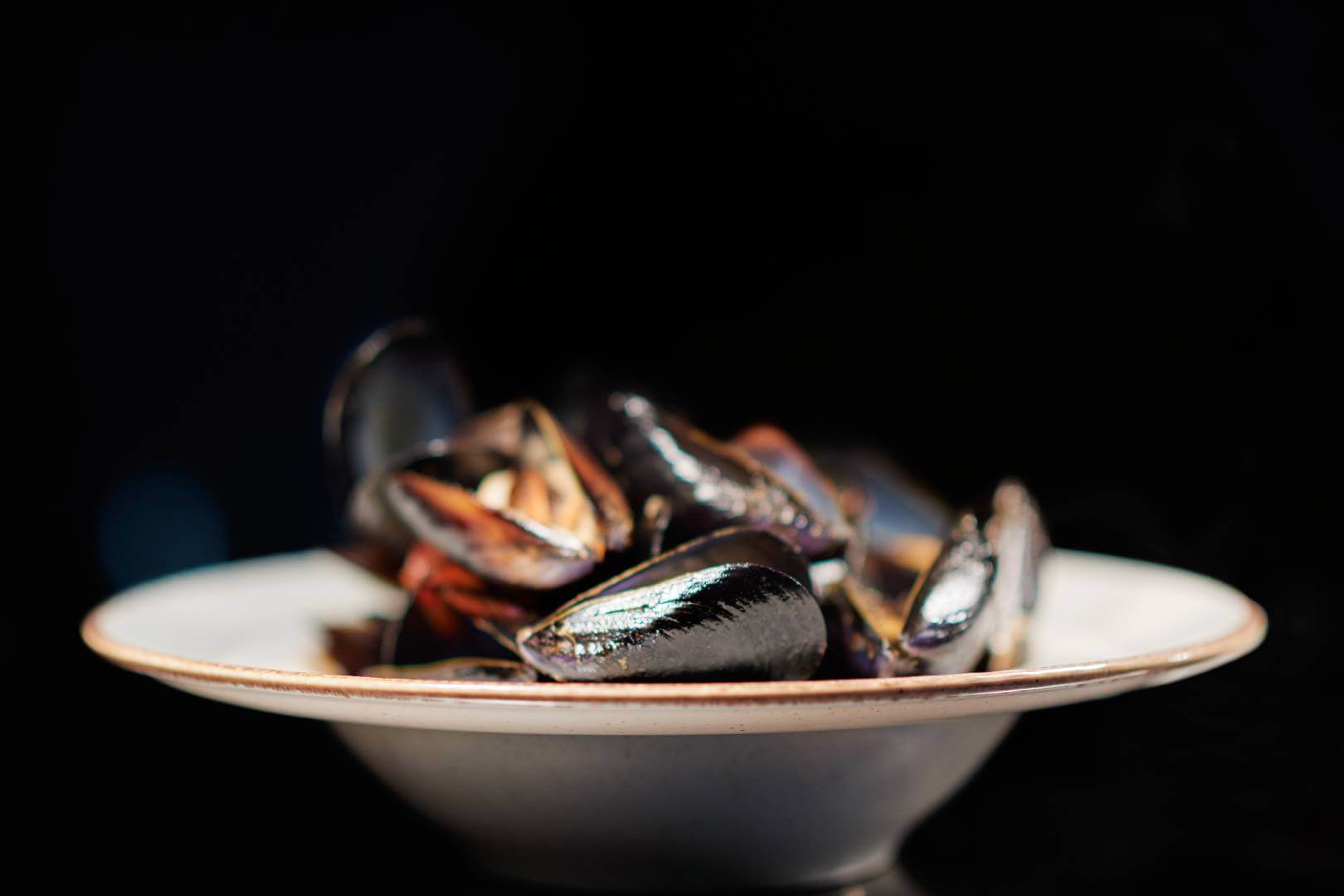
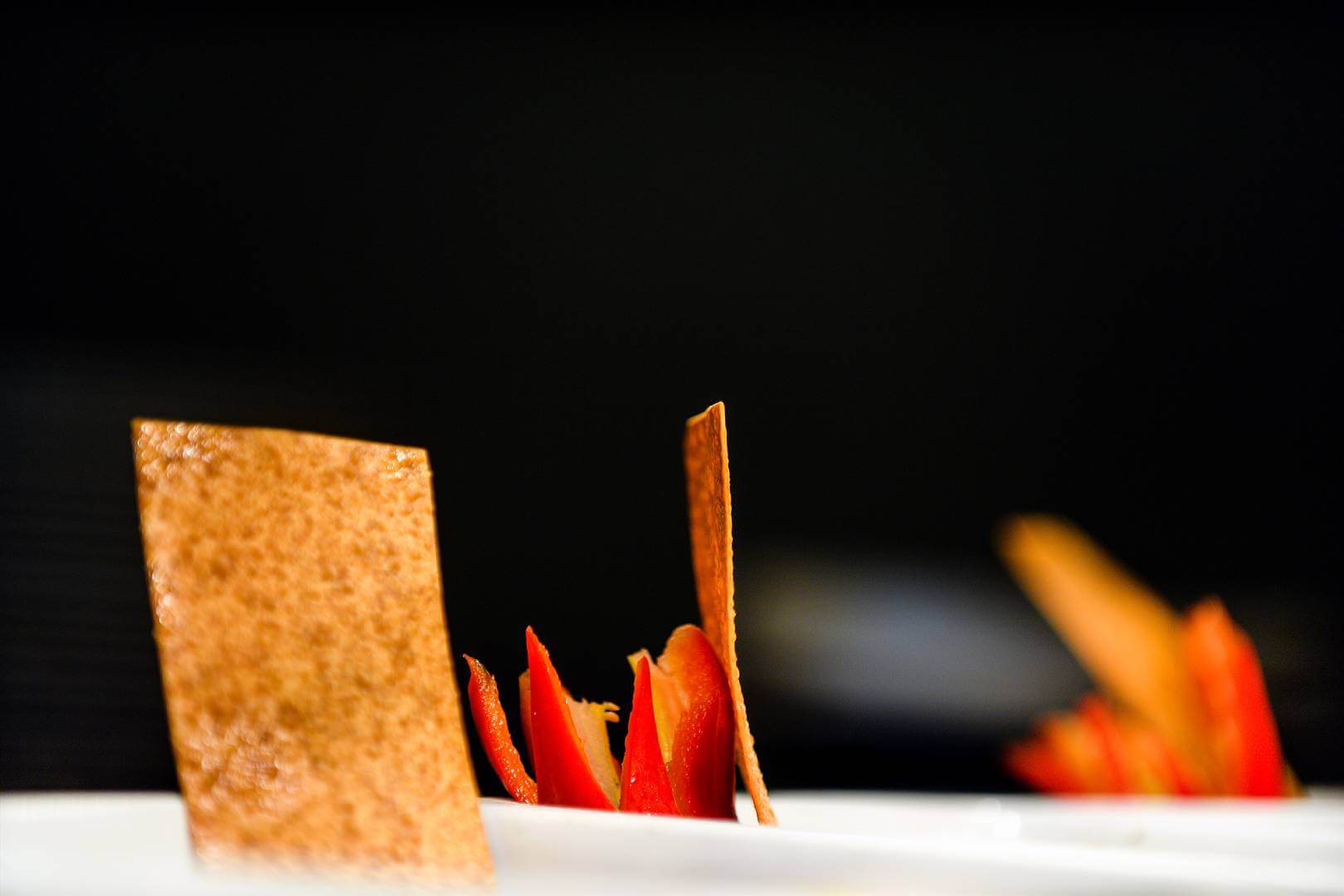
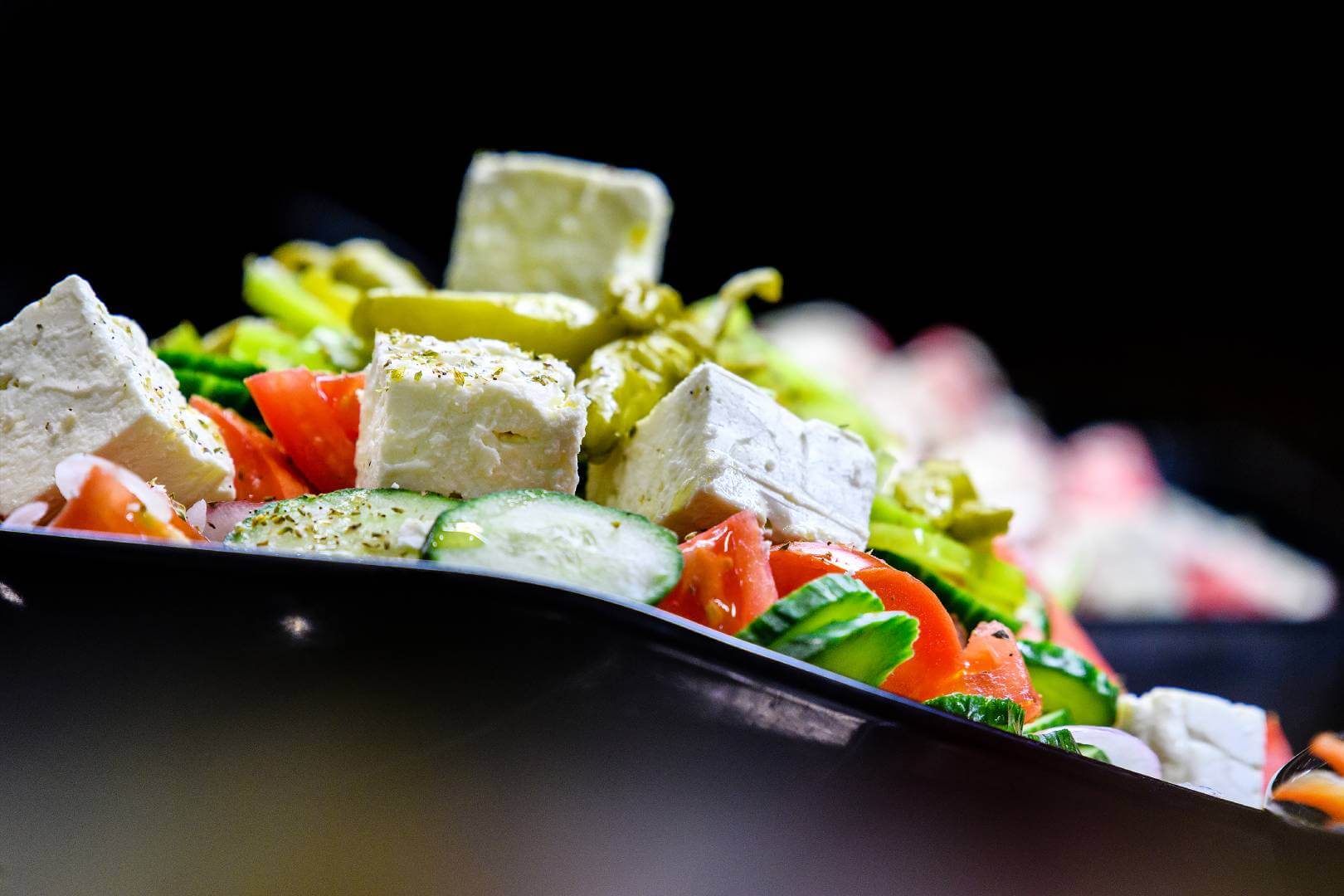
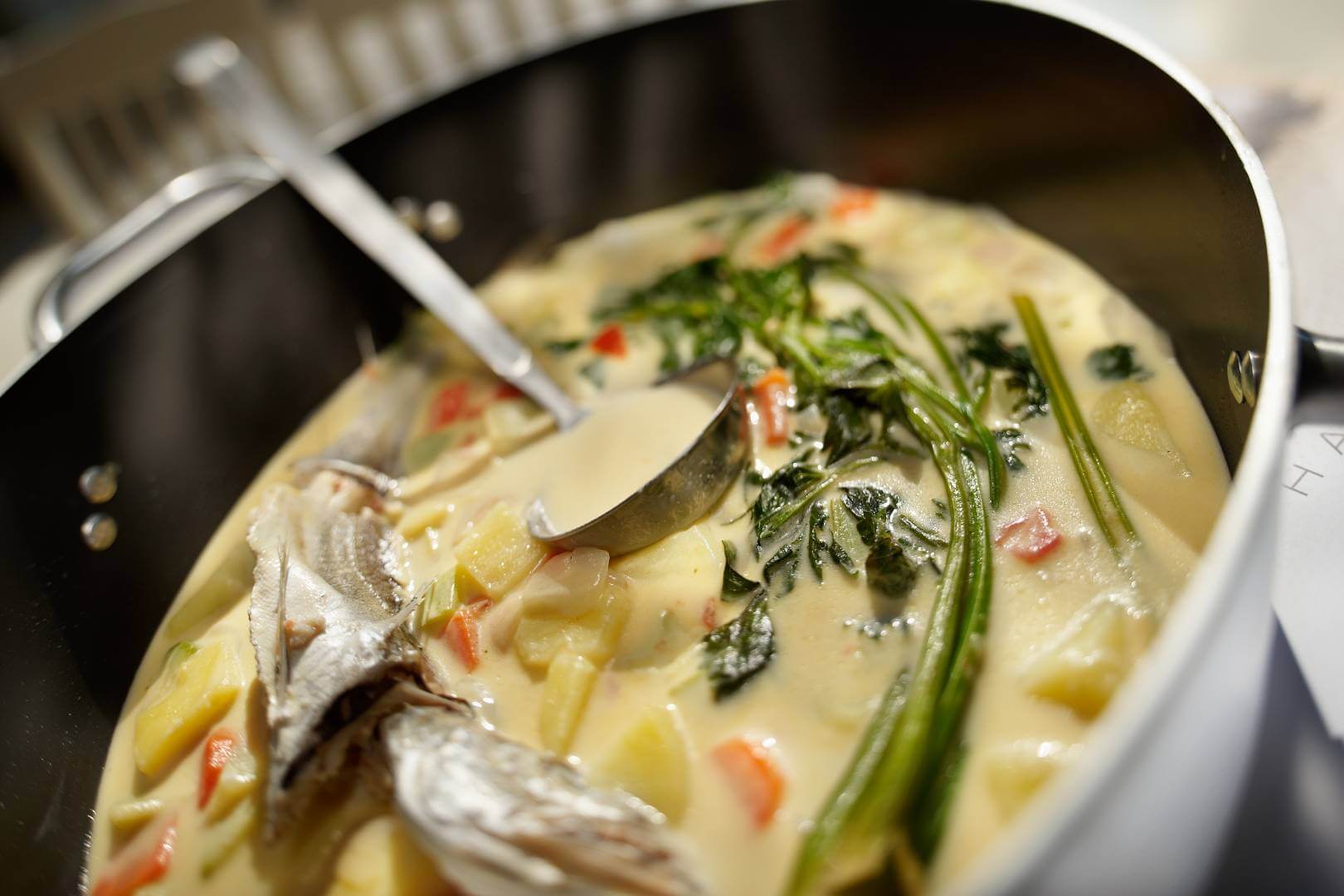
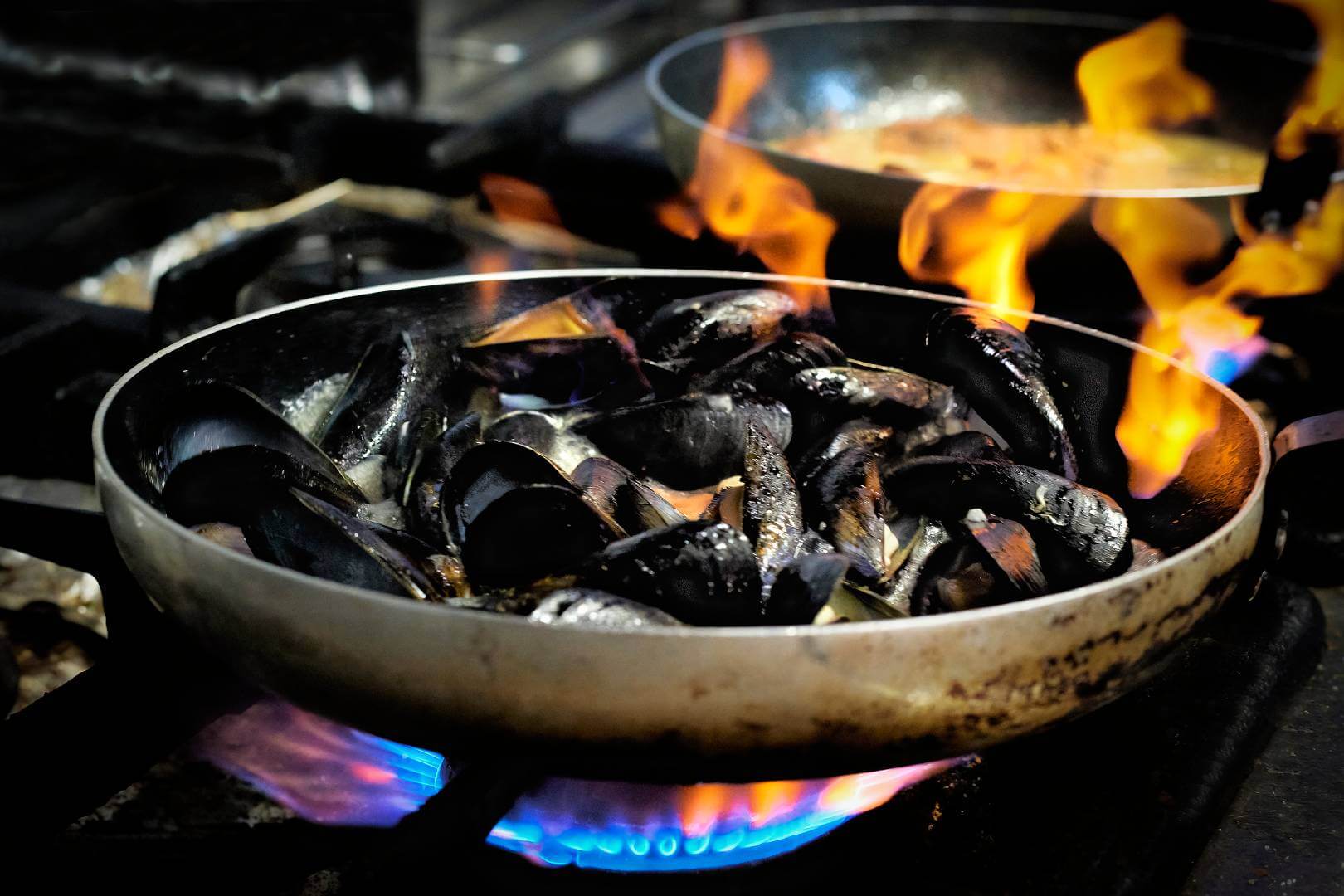
Close-ups offer a unique perspective, revealing food in ways that are both intimate and unexpected. They capture the intricate details—the textures, oils, and sauces—creating a deeper connection between the viewer and the dish. My close-up shots draw us into the very heart of the food, heightening the sensory experience and sparking the imagination.
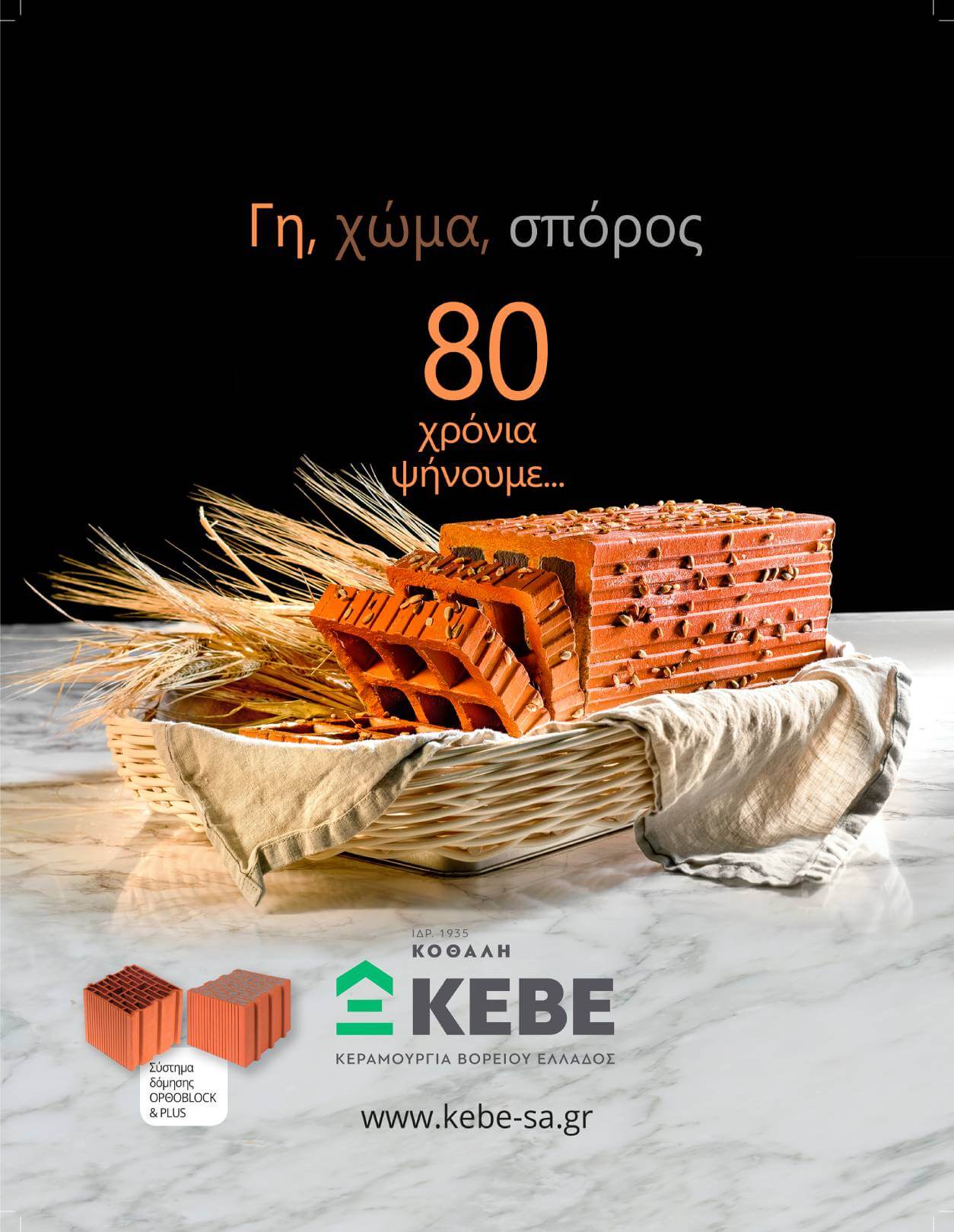
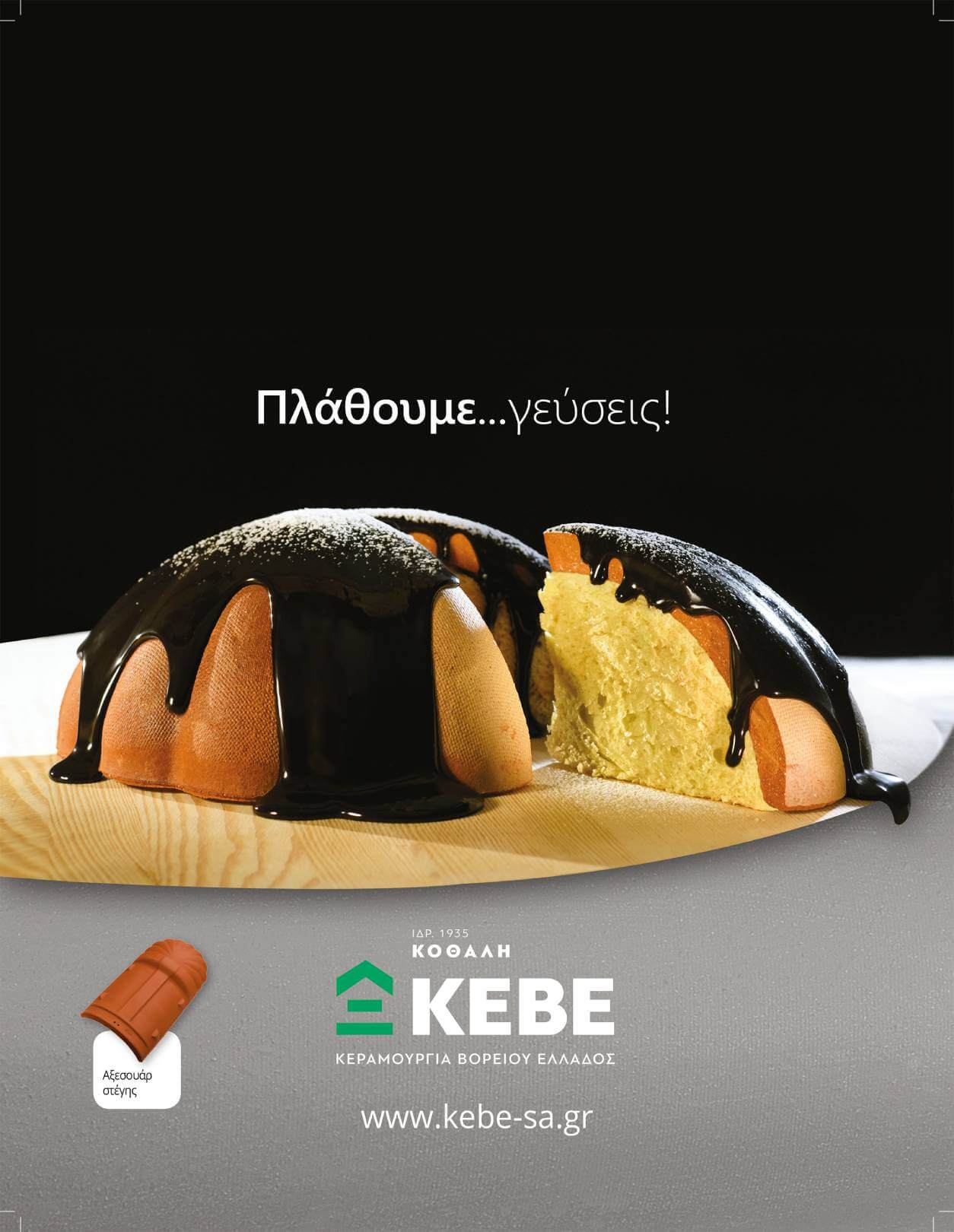
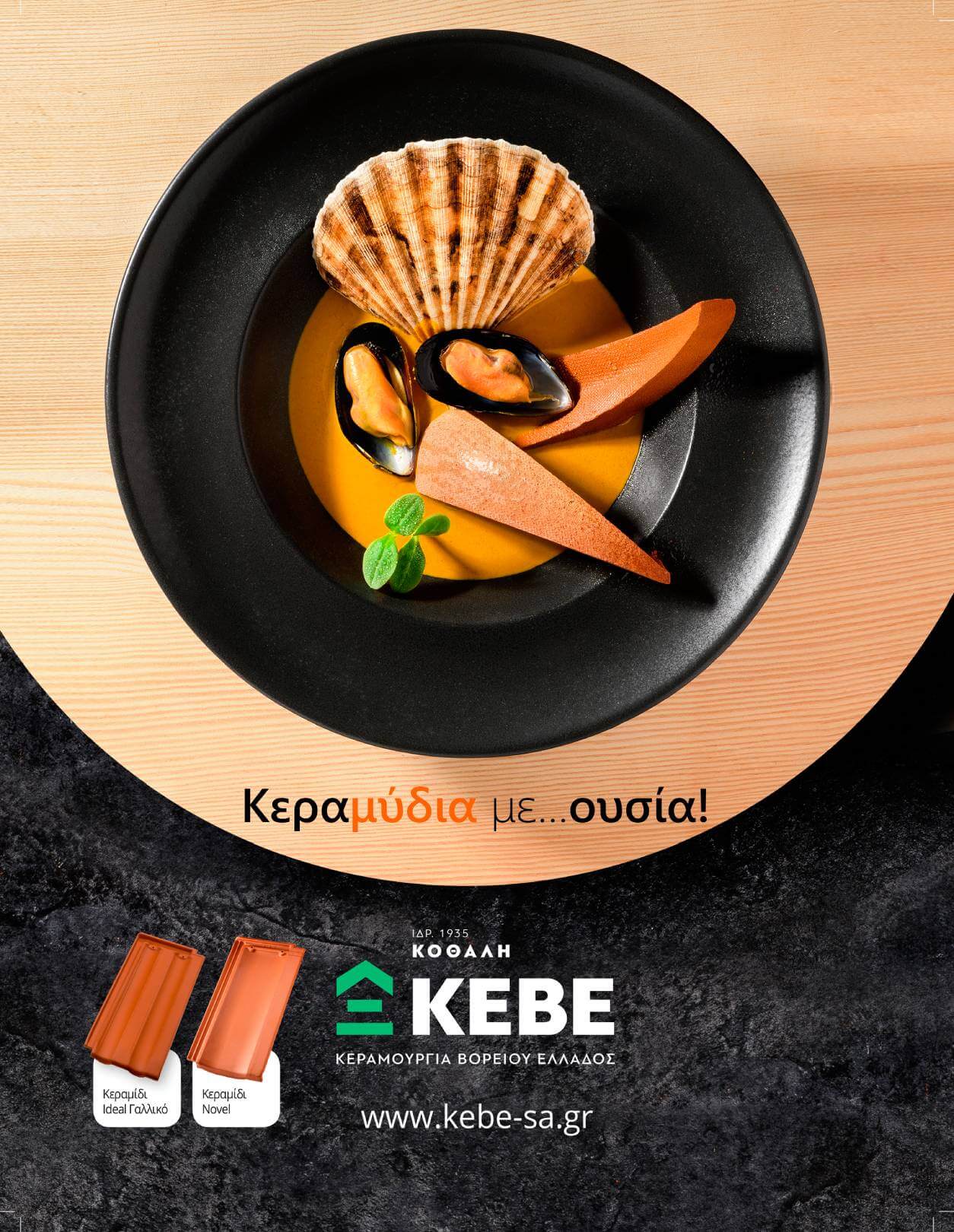
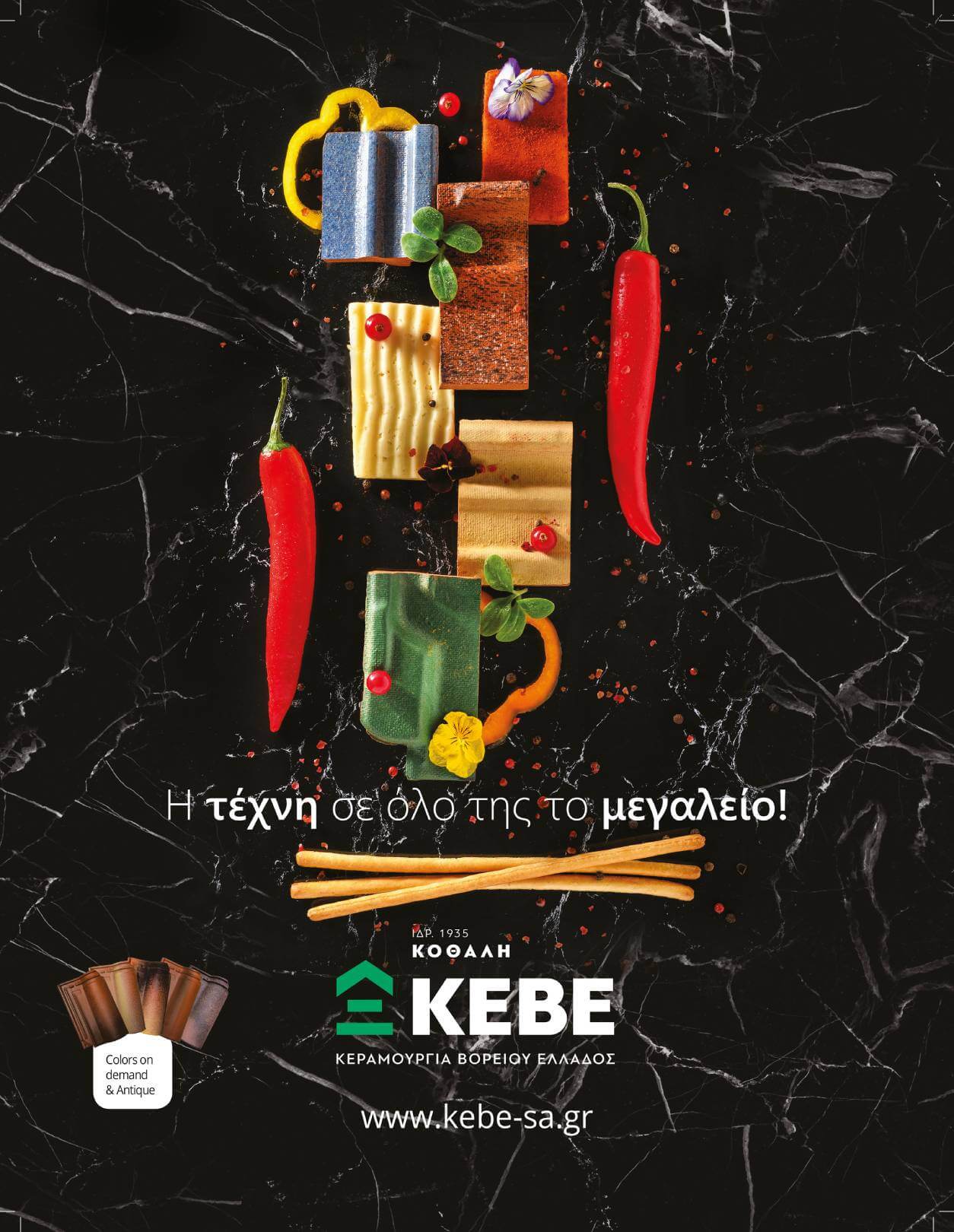
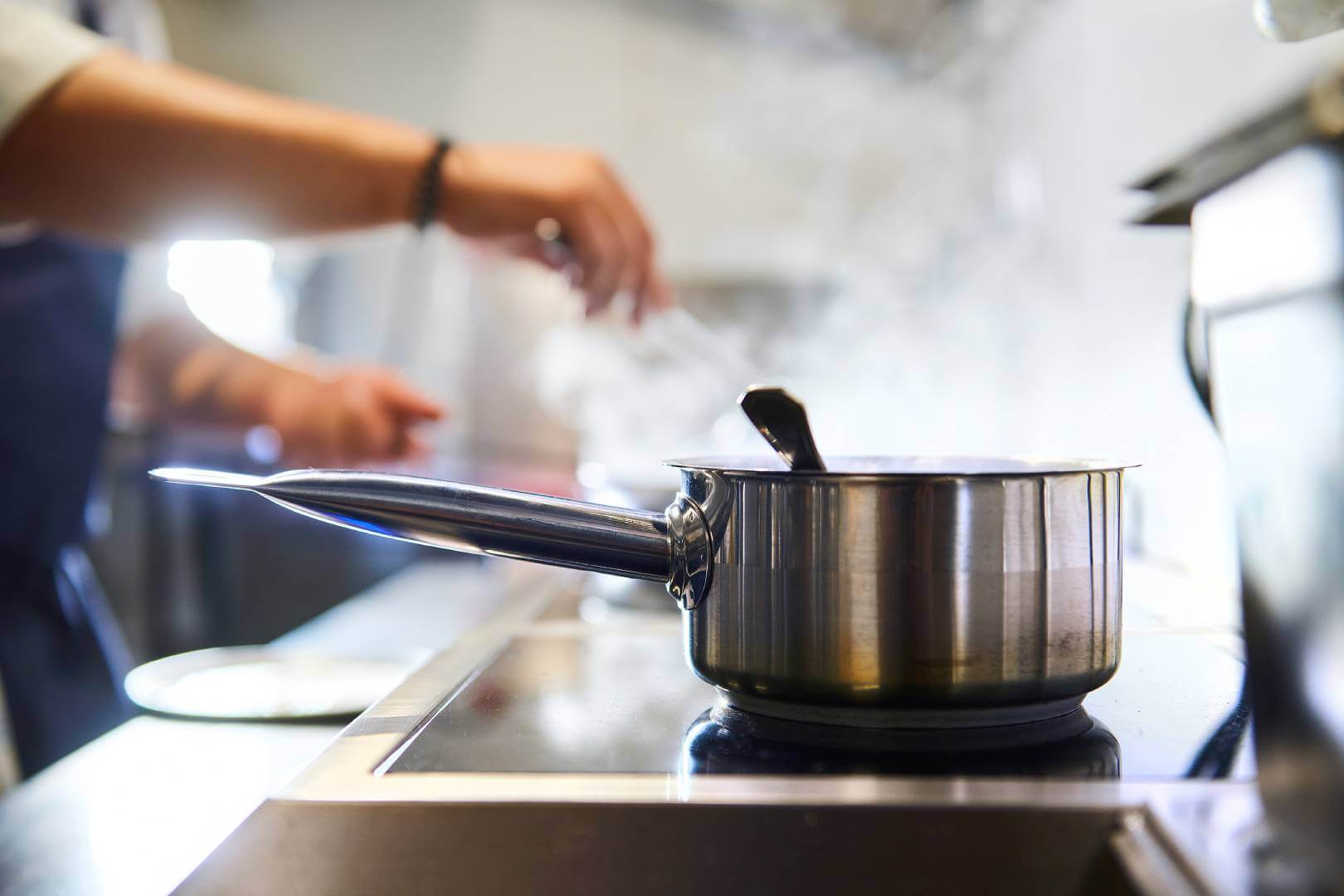
I also use close-ups to craft images that transcend food and drink alone. My approach includes capturing everything from raw ingredients and the process of preparation, to the objects and people involved in cooking or serving. This holistic view enhances the narrative, showcasing the broader story behind each dish and its journey from kitchen to plate.
Epilogue
The allure and power of gastronomy are so compelling that they are often leveraged by industries unrelated to food or dining for promotional purposes. The universal appeal of food transcends its immediate context, making it a potent tool for attracting attention and creating engagement across various sectors.